
Is Your Tea Safe? Study Finds Billions of Plastic Particles in Every Cup

Tea has long been considered one of the healthiest and most comforting beverages worldwide. But recent scientific findings suggest your daily brew might come with an unexpected ingredient: microplastics.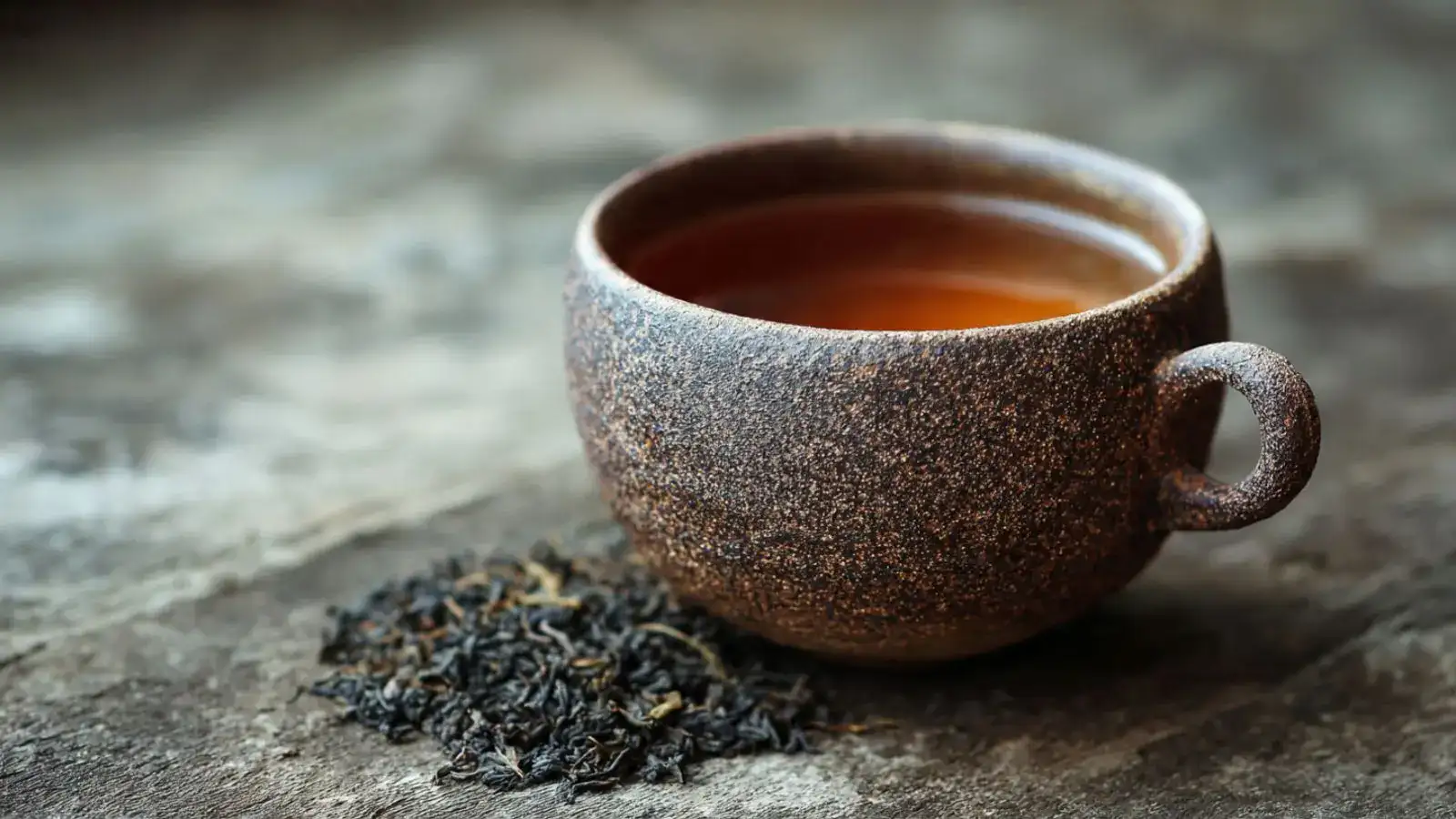
A review of multiple studies has revealed that tea bags, particularly those made from plastic materials like nylon or polypropylene, can release massive quantities of microplastics and even smaller nanoplastics when exposed to hot water.
In some cases, the numbers are staggering. Research shows that a single plastic tea bag, when steeped at brewing temperature, can release around 11.6 billion microplastic particles and 3.1 billion nanoplastic particles into a single cup. These particles are so tiny that they are invisible to the naked eye but can still be ingested.
The primary reason behind this is the material used in manufacturing tea bags. While many assume tea bags are made purely of paper, several modern variants contain plastic fibers that help seal and maintain their shape. When these materials come into contact with hot water, they begin to break down, shedding microscopic plastic fragments into the tea.
More recent research also indicates that these particles don’t just pass through the body. Some studies suggest that microplastics can be absorbed by intestinal cells and potentially travel to different parts of the body. This has raised concerns among scientists about long-term health impacts, although definitive conclusions are still being studied.
Microplastics themselves are defined as tiny plastic fragments smaller than 5 millimetres, often formed when larger plastic items degrade. Due to their size, they can easily enter food and beverages, making ingestion almost unavoidable in modern life.
However, tea bags are not the only source. Plastic exposure in daily routines, from food packaging to bottled water, also contributes to overall intake. Still, tea stands out because heat accelerates the release of these particles, increasing the likelihood of contamination during brewing.
Experts suggest simple ways to reduce exposure. Switching to loose-leaf tea, using stainless steel or glass infusers, and choosing plastic-free tea bags can significantly cut down the number of microplastics in your cup.
While more research is needed to fully understand the health implications, the findings highlight a broader issue: even everyday habits like drinking tea may be contributing to unseen plastic consumption. For millions of tea lovers, it may be time to rethink how that perfect cup is brewed.
A review of multiple studies has revealed that tea bags, particularly those made from plastic materials like nylon or polypropylene, can release massive quantities of microplastics and even smaller nanoplastics when exposed to hot water.
In some cases, the numbers are staggering. Research shows that a single plastic tea bag, when steeped at brewing temperature, can release around 11.6 billion microplastic particles and 3.1 billion nanoplastic particles into a single cup. These particles are so tiny that they are invisible to the naked eye but can still be ingested.
The primary reason behind this is the material used in manufacturing tea bags. While many assume tea bags are made purely of paper, several modern variants contain plastic fibers that help seal and maintain their shape. When these materials come into contact with hot water, they begin to break down, shedding microscopic plastic fragments into the tea.
More recent research also indicates that these particles don’t just pass through the body. Some studies suggest that microplastics can be absorbed by intestinal cells and potentially travel to different parts of the body. This has raised concerns among scientists about long-term health impacts, although definitive conclusions are still being studied.
Microplastics themselves are defined as tiny plastic fragments smaller than 5 millimetres, often formed when larger plastic items degrade. Due to their size, they can easily enter food and beverages, making ingestion almost unavoidable in modern life.
However, tea bags are not the only source. Plastic exposure in daily routines, from food packaging to bottled water, also contributes to overall intake. Still, tea stands out because heat accelerates the release of these particles, increasing the likelihood of contamination during brewing.
Experts suggest simple ways to reduce exposure. Switching to loose-leaf tea, using stainless steel or glass infusers, and choosing plastic-free tea bags can significantly cut down the number of microplastics in your cup.
While more research is needed to fully understand the health implications, the findings highlight a broader issue: even everyday habits like drinking tea may be contributing to unseen plastic consumption. For millions of tea lovers, it may be time to rethink how that perfect cup is brewed.
Next Story