
Milk Vs Curd: The Complete Guide To Digestion, Nutrition And Modern Dairy Choices For Families

Milk Vs Curd Which Dairy Product Is Better For Your Daily Nutrition And Health? Milk and curd are two of the most widely consumed dairy foods across households. Both provide essential nutrients such as calcium, protein and vitamins that support overall wellbeing. However, they function differently in terms of digestion, probiotic benefits and lifestyle suitability. While milk is often considered a complete food for energy and growth, curd is valued for its gut-friendly properties. Understanding their differences can help people make better dietary decisions for long-term health.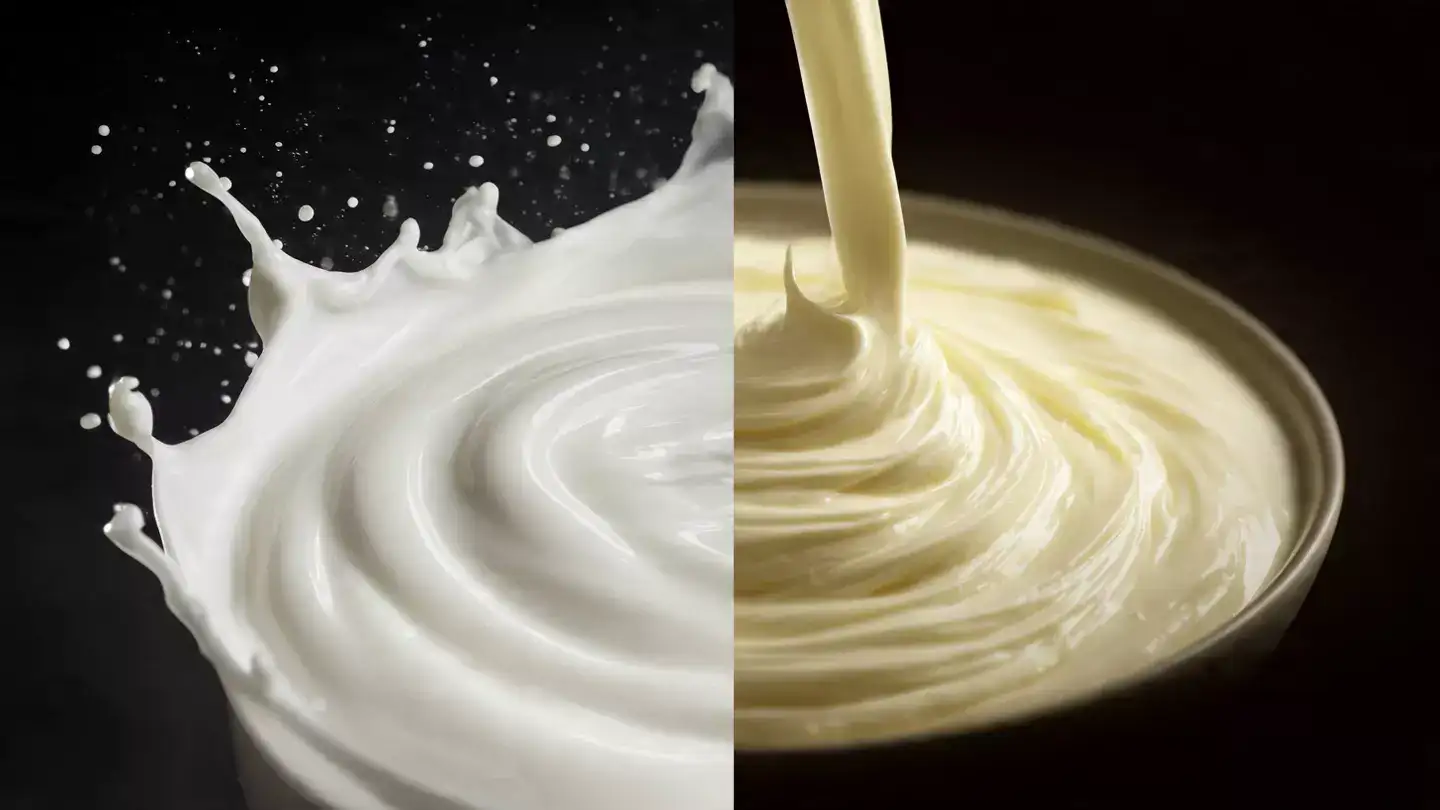
Curd is produced through the fermentation of milk using beneficial bacterial cultures. This fermentation process increases probiotic content, which supports digestive health. Probiotics help maintain healthy intestinal bacteria and improve nutrient absorption. Although curd contains similar nutrients to milk, it is often easier to digest because fermentation reduces lactose content.
Curd is especially popular in traditional meals because it helps reduce the heat effects of spicy foods. It is often consumed as plain curd, yoghurt or buttermilk. Buttermilk is considered particularly beneficial because it is low in calories while still providing hydration and digestive support. Regular consumption of curd may also help reduce acidity and promote smoother bowel movement.
Milk is also important for children’s growth because it supports bone density development. Elderly individuals may also benefit from milk consumption as it helps reduce bone weakness. However, consuming too much full-fat milk can increase saturated fat intake, so many nutritionists recommend moderate portions or low-fat alternatives for balanced health.
Curd is also widely consumed during warmer weather because it has cooling effects on the body. Many households include curd in lunch meals to support digestion of heavier foods. Fitness enthusiasts sometimes prefer curd-based meals because they provide protein while supporting gut health.
Nutrition experts often recommend including both dairy products in balanced amounts rather than completely replacing one with the other. For example, milk can be consumed in the morning for energy, while curd can be eaten during lunch or dinner to support digestion. This balanced approach helps maintain long-term nutritional stability.
Image Courtesy: Meta AI
Nutritional Value Of Milk And Curd In Everyday Diets
Milk is often described as a complete nutritional package because it contains carbohydrates, fats, protein and essential micronutrients. It is particularly rich in calcium, which supports strong bones and dental health. British nutritional guidance frequently highlights milk as a valuable source of vitamin B12 and vitamin D, both of which help maintain immunity and nerve function. Children, teenagers and elderly individuals often benefit from regular milk consumption.Curd is produced through the fermentation of milk using beneficial bacterial cultures. This fermentation process increases probiotic content, which supports digestive health. Probiotics help maintain healthy intestinal bacteria and improve nutrient absorption. Although curd contains similar nutrients to milk, it is often easier to digest because fermentation reduces lactose content.
Digestive Health Benefits Of Curd Compared To Milk
Curd is highly regarded for its digestive advantages. Many people who experience bloating or discomfort after drinking milk prefer curd because it is gentler on the stomach. The probiotics present in curd help improve gut microbiome balance, which can support stronger immunity and better digestion.Curd is especially popular in traditional meals because it helps reduce the heat effects of spicy foods. It is often consumed as plain curd, yoghurt or buttermilk. Buttermilk is considered particularly beneficial because it is low in calories while still providing hydration and digestive support. Regular consumption of curd may also help reduce acidity and promote smoother bowel movement.
Milk Benefits For Growth, Energy And Muscle Strength
Milk continues to be one of the best dietary choices for physical development and energy supply. The high-quality protein in milk helps muscle repair and tissue growth. This makes milk particularly beneficial for individuals involved in sports or regular physical exercise.Milk is also important for children’s growth because it supports bone density development. Elderly individuals may also benefit from milk consumption as it helps reduce bone weakness. However, consuming too much full-fat milk can increase saturated fat intake, so many nutritionists recommend moderate portions or low-fat alternatives for balanced health.
Milk And Curd For Weight Management And Lifestyle Nutrition
Both milk and curd can be included in weight management diets depending on consumption style. Low-fat milk provides nutrition without excessive calories, making it suitable for controlled diet plans. Curd is often preferred for weight control because it promotes satiety and helps reduce unnecessary hunger cravings.Curd is also widely consumed during warmer weather because it has cooling effects on the body. Many households include curd in lunch meals to support digestion of heavier foods. Fitness enthusiasts sometimes prefer curd-based meals because they provide protein while supporting gut health.
Which Dairy Product Should You Choose For Daily Consumption?
The choice between milk and curd depends on individual nutritional needs. Growing children and teenagers generally benefit more from milk due to higher calcium and energy requirements. Adults focusing on digestion and gut health may find curd more suitable.Nutrition experts often recommend including both dairy products in balanced amounts rather than completely replacing one with the other. For example, milk can be consumed in the morning for energy, while curd can be eaten during lunch or dinner to support digestion. This balanced approach helps maintain long-term nutritional stability.
Image Courtesy: Meta AI
Next Story