
Naturalistic Bird Enclosure Setup Guide For Healthy And Happy Pet Birds

How To Set Up A Naturalistic Bird Enclosure : Creating a naturalistic bird enclosure is one of the best ways to ensure pet birds remain healthy, active and mentally stimulated. Unlike traditional cages with limited accessories, natural style enclosures replicate elements of a bird’s natural habitat. This includes branches, plants, varied perches and enrichment items that encourage movement and natural behaviour. A well designed bird habitat setup at home not only improves physical health but also supports emotional wellbeing. Birds are intelligent creatures that require stimulation, space and safe environments to thrive in captivity. Setting up a natural enclosure requires careful planning, suitable materials and attention to safety details.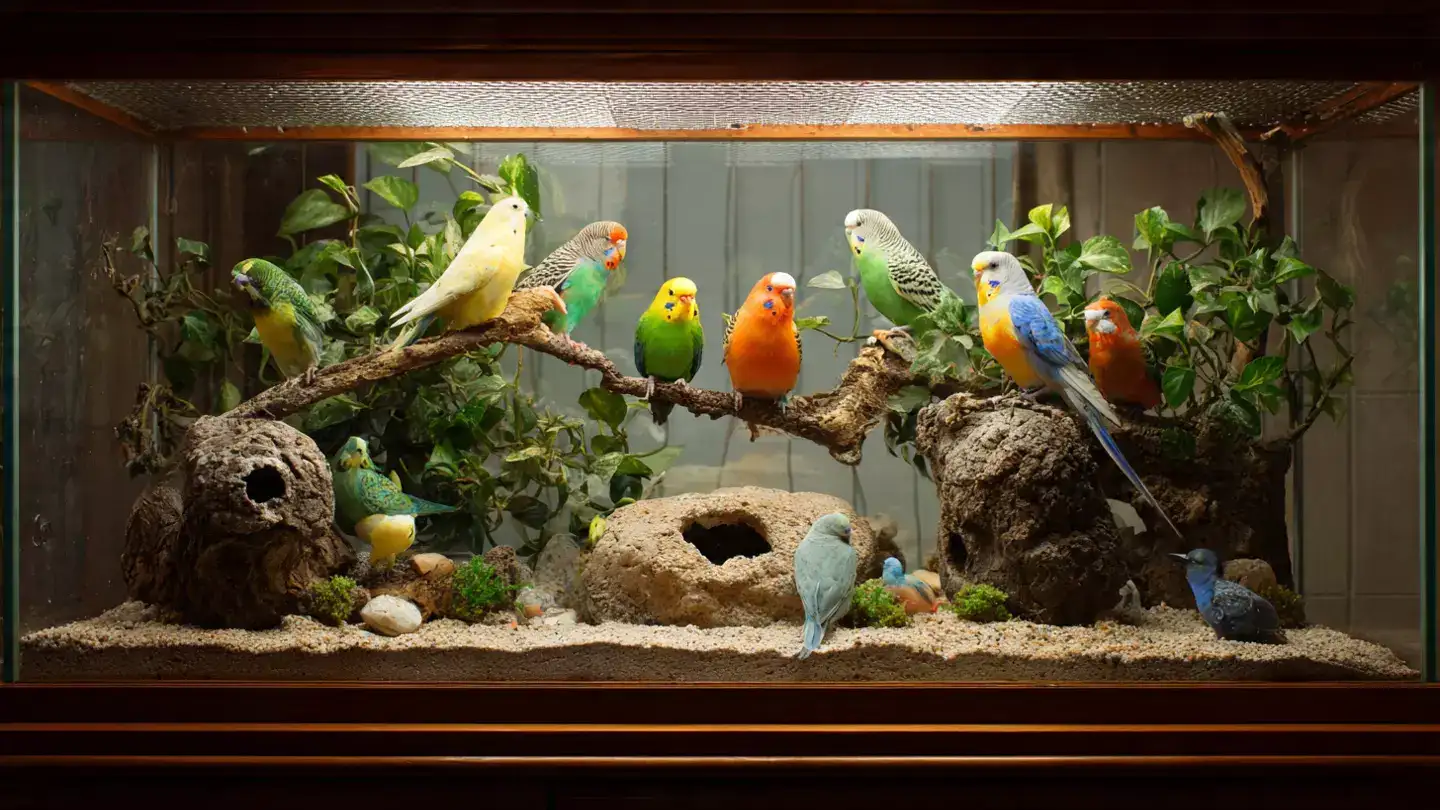
Metal cages with non toxic coating are generally preferred because they are durable and safe. The bar spacing should be small enough to prevent birds from escaping or getting stuck. For smaller bird species, narrower spacing is essential to prevent injuries. Pet bird enclosure design should always prioritise safety over decorative appearance.
Branches from safe, non toxic trees can be used after proper cleaning and drying. Avoid branches from plants treated with pesticides. Rotate perch positions occasionally to encourage movement and prevent boredom. Natural bird cage setup should always include multiple perch heights to simulate tree branch environments found in nature.
Potted plants can be placed outside the cage but within the bird’s visual environment. This helps create a more natural habitat feeling without risking ingestion of harmful leaves. Some safe plant options include spider plants and certain types of herbs, though research should always be done before introducing any plant species.
Foraging toys are particularly beneficial because they encourage natural feeding behaviour. Hiding small food portions inside safe toys encourages birds to search and explore, similar to how they would forage in the wild. Rotating toys every few weeks keeps the environment interesting and engaging.
Fresh drinking water should be provided daily. Food bowls should be cleaned after each meal to prevent contamination. Natural habitat setups should never compromise hygiene standards, as cleanliness is directly linked to bird health.
Good ventilation is also necessary to maintain fresh air circulation. However, avoid placing cages in drafty areas where cold air can affect bird health. Balanced environmental conditions help support natural behaviour and energy levels.
Birds benefit from varied diets that mimic natural feeding patterns. This supports better digestion, stronger feathers and improved immunity.
If stress symptoms appear, review enclosure design, lighting or enrichment items. Adjusting environmental factors can significantly improve bird wellbeing.
Setting up a naturalistic bird enclosure requires patience and attention to detail, but the results are highly rewarding. Providing a safe, stimulating and natural environment helps pet birds stay physically healthy and mentally active, allowing them to live happier and more comfortable lives in captivity.
Image Courtesy: Meta AI
Choosing The Right Enclosure Size And Shape
The first step in setting up a naturalistic bird enclosure is selecting an appropriately sized cage or aviary. Larger spaces are always better because birds need room to fly, hop and exercise their wings. The enclosure should allow horizontal movement rather than only vertical space.Metal cages with non toxic coating are generally preferred because they are durable and safe. The bar spacing should be small enough to prevent birds from escaping or getting stuck. For smaller bird species, narrower spacing is essential to prevent injuries. Pet bird enclosure design should always prioritise safety over decorative appearance.
Creating A Natural Perching Environment
Natural perches are essential for maintaining healthy bird feet. Instead of using only smooth wooden or plastic perches, include branches of different thicknesses. This helps birds exercise their feet muscles and prevents pressure sores.Branches from safe, non toxic trees can be used after proper cleaning and drying. Avoid branches from plants treated with pesticides. Rotate perch positions occasionally to encourage movement and prevent boredom. Natural bird cage setup should always include multiple perch heights to simulate tree branch environments found in nature.
Adding Safe Plants And Greenery
Plants are an important part of naturalistic bird enclosures because they provide shade, hiding spots and visual stimulation. However, it is important to choose bird safe plants only. Many common ornamental plants can be toxic to birds.Potted plants can be placed outside the cage but within the bird’s visual environment. This helps create a more natural habitat feeling without risking ingestion of harmful leaves. Some safe plant options include spider plants and certain types of herbs, though research should always be done before introducing any plant species.
Providing Enrichment Toys And Activities
Bird enrichment environment design is crucial for preventing stress and behavioural problems. Birds in captivity can become bored if they do not have enough mental stimulation. Toys made from natural materials such as untreated wood, rope and leather strips are good choices.Foraging toys are particularly beneficial because they encourage natural feeding behaviour. Hiding small food portions inside safe toys encourages birds to search and explore, similar to how they would forage in the wild. Rotating toys every few weeks keeps the environment interesting and engaging.
You may also like
- Sugarcane Juice: Include sugarcane juice in your diet at the beginning of summer, it will provide many amazing health benefits..
- Petrol prices hit 169.9p a litre with 90-car queues at pumps in Iran war chaos
- कैसे एक हादसे ने ऑस्ट्रेलियाई व्यक्ति को करोड़पति बना दिया
- Discover WhatsApp's New AI Sticker Feature for Creative Messaging
- How to Manage Instagram's Tracking of Your Online Activity
Maintaining Proper Hygiene And Safety
Regular cleaning is essential when maintaining naturalistic bird enclosures. Food remains, droppings and moisture can create bacterial growth if not cleaned frequently. Use bird safe cleaning solutions rather than harsh chemical cleaners.Fresh drinking water should be provided daily. Food bowls should be cleaned after each meal to prevent contamination. Natural habitat setups should never compromise hygiene standards, as cleanliness is directly linked to bird health.
Ensuring Proper Lighting And Ventilation
Natural light plays an important role in bird health. Position the enclosure near natural light sources but avoid direct sunlight exposure for long periods. Birds can overheat quickly if placed under direct harsh sunlight.Good ventilation is also necessary to maintain fresh air circulation. However, avoid placing cages in drafty areas where cold air can affect bird health. Balanced environmental conditions help support natural behaviour and energy levels.
Providing Balanced Nutrition Inside The Enclosure
A naturalistic setup should also support natural feeding behaviour. Include separate bowls for seeds, pellets, fruits and vegetables. Fresh fruits and leafy vegetables should be provided regularly. Remove uneaten fresh food after a few hours to prevent spoilage.Birds benefit from varied diets that mimic natural feeding patterns. This supports better digestion, stronger feathers and improved immunity.
Monitoring Bird Behaviour And Comfort
Observe bird behaviour regularly after setting up the enclosure. Signs of comfort include active movement, normal eating habits and regular vocalisation. Signs of stress may include feather plucking, excessive quietness or loss of appetite.If stress symptoms appear, review enclosure design, lighting or enrichment items. Adjusting environmental factors can significantly improve bird wellbeing.
Setting up a naturalistic bird enclosure requires patience and attention to detail, but the results are highly rewarding. Providing a safe, stimulating and natural environment helps pet birds stay physically healthy and mentally active, allowing them to live happier and more comfortable lives in captivity.
Image Courtesy: Meta AI






More from our partners


Loving Newspoint? Download the app now
