
Eating Ultra-Processed Foods Raises Stroke Risk by 67%, Finds New Study

Ultra-processed foods have become a staple in modern diets, from packaged snacks and sugary drinks to ready-to-eat meals. While they are convenient and widely available, new research suggests they may come at a serious cost to health.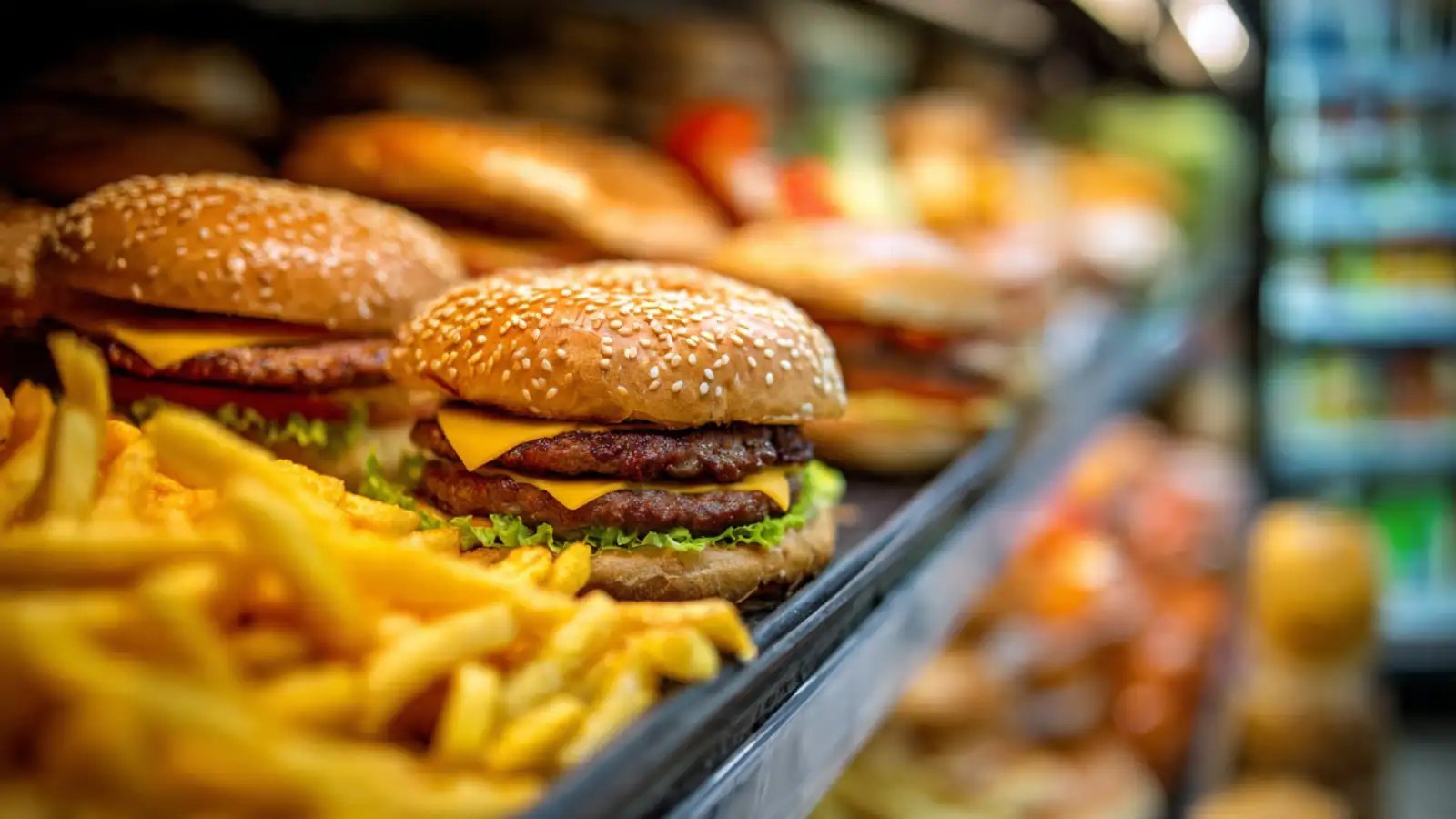
A recent study has found that consuming high amounts of ultra-processed foods can significantly increase the risk of stroke and other major heart-related conditions.
Participants with the highest intake averaged around nine servings of ultra-processed foods per day, while those with the lowest intake consumed about one serving daily.
This sharp difference highlights how dietary habits can directly influence long-term cardiovascular health .
Each additional serving of ultra-processed food was associated with more than a 5% increase in the likelihood of heart attack, stroke, or death from heart disease.
This means that even moderate consumption over time can gradually impact overall health.
“Regardless of the amount of calories you consumed per day, regardless of the overall quality of your diet, and after controlling for common risk factors like diabetes, high blood pressure, high cholesterol and obesity, the risk associated with higher ultra-processed food intake was still about the same,” said Amier Haidar, the study’s lead author and cardiology fellow at the University of Texas Health Science Center, Houston.
This suggests that ultra-processed foods themselves may play a direct role in increasing cardiovascular risk.
As these foods continue to dominate modern diets, experts are urging people to be more mindful of their consumption and prioritise whole, minimally processed alternatives.
A recent study has found that consuming high amounts of ultra-processed foods can significantly increase the risk of stroke and other major heart-related conditions.
67% Higher Risk Linked to High Consumption
According to the study, people who consumed large quantities of ultra-processed foods had a 67% higher risk of heart attack , stroke, or related death compared to those who consumed minimal amounts.Participants with the highest intake averaged around nine servings of ultra-processed foods per day, while those with the lowest intake consumed about one serving daily.
This sharp difference highlights how dietary habits can directly influence long-term cardiovascular health .
Risk Increases With Every Serving
The study also revealed that the danger is not limited to extreme consumption. Even small increases in daily intake can raise health risks.Each additional serving of ultra-processed food was associated with more than a 5% increase in the likelihood of heart attack, stroke, or death from heart disease.
This means that even moderate consumption over time can gradually impact overall health.
What Counts as Ultra-Processed Food
Ultra-processed foods include items that are heavily modified and often contain additives, preservatives, and artificial ingredients. Common examples include:- Packaged chips and snacks
- Sugary beverages
- Frozen ready meals
- Processed meats
- Breakfast cereals and packaged breads
Risk Remains Despite Overall Diet Quality
One of the most concerning findings is that the increased risk remains even after accounting for other health and lifestyle factors.“Regardless of the amount of calories you consumed per day, regardless of the overall quality of your diet, and after controlling for common risk factors like diabetes, high blood pressure, high cholesterol and obesity, the risk associated with higher ultra-processed food intake was still about the same,” said Amier Haidar, the study’s lead author and cardiology fellow at the University of Texas Health Science Center, Houston.
This suggests that ultra-processed foods themselves may play a direct role in increasing cardiovascular risk.
Why These Foods Are Harmful
Researchers believe several factors may explain the link between ultra-processed foods and heart-related diseases:- High levels of added sugar and unhealthy fats
- Low nutritional value
- Artificial additives that may affect metabolism
- Increased calorie intake leading to weight gain
A Growing Health Concern
The findings add to a growing body of research linking ultra-processed foods to serious health conditions, including obesity, diabetes, and cardiovascular disease.As these foods continue to dominate modern diets, experts are urging people to be more mindful of their consumption and prioritise whole, minimally processed alternatives.
What You Can Do to Reduce Risk
Health experts recommend making small but consistent dietary changes, such as:- Choosing fresh fruits and vegetables over packaged snacks
- Reducing intake of sugary drinks
- Opting for home-cooked meals when possible
- Reading food labels carefully
Next Story