
Nipah Virus Alert: Symptoms to Watch Before It Spreads

The world is still recovering from the impact of the coronavirus pandemic, and now another health threat has surfaced. The Nipah virus, a rare but highly dangerous infection, has begun appearing in some parts of India, raising concerns among health authorities and the public.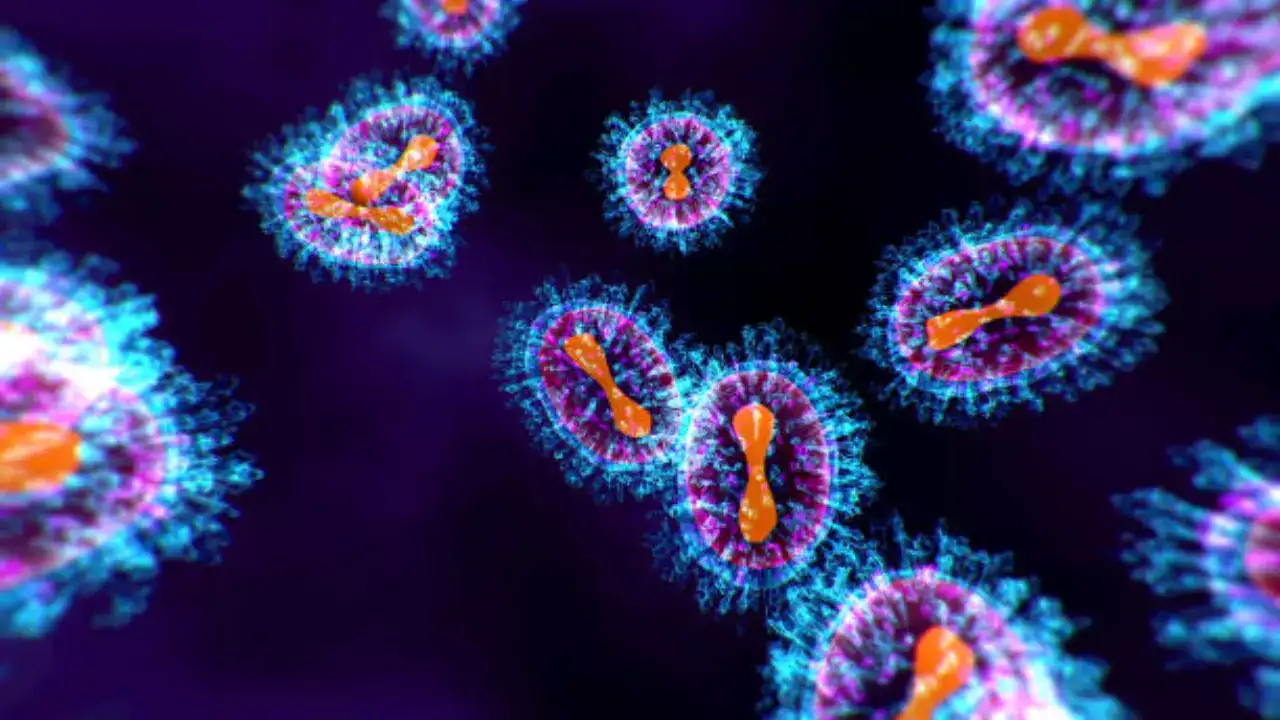
By understanding the symptoms, modes of transmission, and safety measures, the public can take steps to protect themselves while authorities work to contain the virus.
What Is the Nipah Virus?
The Nipah virus is considered one of the deadliest infections affecting humans. Its mortality rate ranges between 40 and 75 percent, making it more dangerous than many other viral infections. Unlike common viruses, Nipah can manipulate the body’s immune response, making recovery difficult. The infection primarily spreads through contact with infected bats or the consumption of contaminated food.Recognising the Symptoms
Early identification of Nipah virus symptoms is crucial. Common signs include fever, body aches, headache, fatigue, weakness, cough, difficulty breathing, vomiting, and in severe cases, inflammation of the brain. Failure to detect symptoms promptly can lead to serious complications and a higher risk of mortality.Cases Reported in West Bengal
Recent reports indicate that cases of the Nipah virus have been detected in India, specifically in West Bengal. The World Health Organization (WHO) has labelled these cases as serious and is closely monitoring the situation. No other countries have reported Nipah infections recently, making the current outbreak a localized concern.Precautions and Safety Measures
Health experts advise taking strict precautions to avoid exposure. Avoid consuming raw or potentially contaminated fruit and maintain hygiene when handling animals or food. Awareness of early symptoms and prompt medical attention are essential to reduce the risk of severe outcomes.Learning From Past Pandemics
India’s recent experience with the coronavirus pandemic underscores the importance of early detection and preparedness. With Nipah virus cases emerging, individuals and healthcare systems must remain vigilant, follow hygiene protocols, and stay informed about health advisories.By understanding the symptoms, modes of transmission, and safety measures, the public can take steps to protect themselves while authorities work to contain the virus.
Next Story