
Not All Blood Is Red: These Animals Have Surprisingly Different Colours

When we think of blood, we usually picture a bright red liquid flowing through veins. That is because most humans and many animals rely on haemoglobin, an iron-rich protein that carries oxygen and gives blood its red colour. But nature does not follow just one rule. Across the animal kingdom, several species have evolved completely different types of blood, using unique pigments and proteins to survive in challenging environments.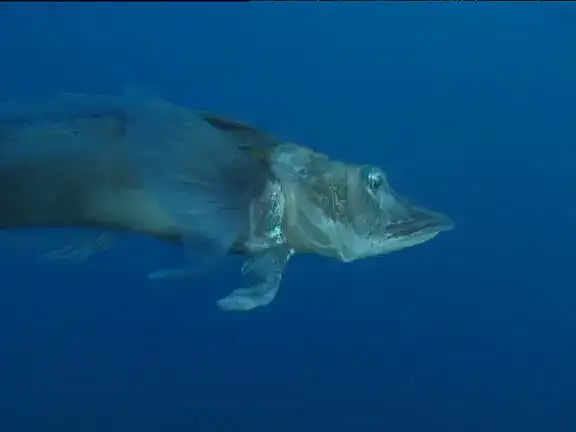
From deep oceans to icy waters and tropical forests, these animals prove that blood can be blue, green, purple, or even almost transparent. Their adaptations are not just unusual but essential for survival.
Sea cucumbers and their adaptable body fluids
Sea cucumber are found in oceans around the world and live mostly on the sea floor. They move slowly and feed on organic matter, playing an important role in maintaining the marine ecosystem.
While some sea cucumbers contain haemoglobin, others have body fluids that vary in colour and composition depending on their environment and metabolic activity. This flexibility allows them to survive in low-oxygen conditions where many other organisms would struggle. Their simple yet efficient body system shows how even slow-moving creatures can adapt in unique ways.
New Guinea’s green-blooded skinks
Green-blooded skink are one of the most fascinating examples of unusual blood in the animal world. These lizards have bright green blood, muscles, and even bones.
The colour comes from extremely high levels of biliverdin, a pigment produced when red blood cells break down. In most animals, high levels of biliverdin would be harmful. However, these skinks have evolved to tolerate it without any visible health issues.
Scientists believe this adaptation may help them manage toxins or even protect them from parasites, making them a rare and remarkable case of evolution at work.
Icefish with nearly transparent blood
Crocodile icefish live in the freezing waters of Antarctica and have one of the most unusual circulatory systems among vertebrates. They completely lack haemoglobin and red blood cells, which makes their blood appear almost clear.
This might seem like a disadvantage, but the icy waters they live in are rich in dissolved oxygen. Icefish absorb this oxygen directly through their plasma, allowing them to survive without the need for red blood cells.
Their bodies are also specially adapted with larger hearts and blood vessels to help circulate oxygen efficiently in such extreme conditions.
Octopuses and their blue blood
Octopus are not just intelligent and flexible creatures, they also have a unique circulatory system. Their blood is blue due to a copper-based protein called hemocyanin.
Unlike haemoglobin, which works best in warm and oxygen-rich conditions, hemocyanin is more efficient in cold and low-oxygen environments. This makes it perfect for life in the deep ocean, where oxygen levels are lower.
This adaptation allows octopuses to remain active and agile even in challenging underwater conditions.
Horseshoe crabs and their ancient defence system
Horseshoe crab are often called living fossils because they have existed for hundreds of millions of years. Their blue blood is also based on hemocyanin, similar to octopuses.
What makes them truly special is their immune system. Instead of traditional white blood cells, horseshoe crabs have amoebocytes that detect harmful bacteria and quickly form clots around them.
This natural defence system is so effective that it is widely used in modern medicine to test for bacterial contamination in vaccines and medical equipment. Their blood has become extremely valuable in the biomedical field.
Brachiopods and their colour-changing blood
Brachiopod are lesser-known marine animals that resemble clams but belong to a different group. They use a unique oxygen-carrying pigment called hemerythrin.
When not carrying oxygen, their blood appears colourless or pale. But once oxygen binds to it, the fluid changes to a purple or pink shade. This visible transformation highlights how different respiratory systems can be across species.
A fascinating example of evolution’s creativity
These animals show that blood is far more diverse than we usually imagine. Each colour and composition is a result of millions of years of evolution, shaped by the environment and survival needs of the species.
Whether it is green blood helping a lizard handle toxins, blue blood supporting life in deep oceans, or clear blood enabling survival in freezing waters, each adaptation serves a specific purpose.
Nature continues to surprise us with its creativity. These unique examples remind us that even something as basic as blood can take many different forms, depending on where and how life exists.
From deep oceans to icy waters and tropical forests, these animals prove that blood can be blue, green, purple, or even almost transparent. Their adaptations are not just unusual but essential for survival.
Sea cucumbers and their adaptable body fluids
Sea cucumber are found in oceans around the world and live mostly on the sea floor. They move slowly and feed on organic matter, playing an important role in maintaining the marine ecosystem.While some sea cucumbers contain haemoglobin, others have body fluids that vary in colour and composition depending on their environment and metabolic activity. This flexibility allows them to survive in low-oxygen conditions where many other organisms would struggle. Their simple yet efficient body system shows how even slow-moving creatures can adapt in unique ways.
New Guinea’s green-blooded skinks
Green-blooded skink are one of the most fascinating examples of unusual blood in the animal world. These lizards have bright green blood, muscles, and even bones.The colour comes from extremely high levels of biliverdin, a pigment produced when red blood cells break down. In most animals, high levels of biliverdin would be harmful. However, these skinks have evolved to tolerate it without any visible health issues.
Scientists believe this adaptation may help them manage toxins or even protect them from parasites, making them a rare and remarkable case of evolution at work.
Icefish with nearly transparent blood
Crocodile icefish live in the freezing waters of Antarctica and have one of the most unusual circulatory systems among vertebrates. They completely lack haemoglobin and red blood cells, which makes their blood appear almost clear. This might seem like a disadvantage, but the icy waters they live in are rich in dissolved oxygen. Icefish absorb this oxygen directly through their plasma, allowing them to survive without the need for red blood cells.
Their bodies are also specially adapted with larger hearts and blood vessels to help circulate oxygen efficiently in such extreme conditions.
Octopuses and their blue blood
Octopus are not just intelligent and flexible creatures, they also have a unique circulatory system. Their blood is blue due to a copper-based protein called hemocyanin. Unlike haemoglobin, which works best in warm and oxygen-rich conditions, hemocyanin is more efficient in cold and low-oxygen environments. This makes it perfect for life in the deep ocean, where oxygen levels are lower.
This adaptation allows octopuses to remain active and agile even in challenging underwater conditions.
Horseshoe crabs and their ancient defence system
Horseshoe crab are often called living fossils because they have existed for hundreds of millions of years. Their blue blood is also based on hemocyanin, similar to octopuses.You may also like
What makes them truly special is their immune system. Instead of traditional white blood cells, horseshoe crabs have amoebocytes that detect harmful bacteria and quickly form clots around them.
This natural defence system is so effective that it is widely used in modern medicine to test for bacterial contamination in vaccines and medical equipment. Their blood has become extremely valuable in the biomedical field.
Brachiopods and their colour-changing blood
Brachiopod are lesser-known marine animals that resemble clams but belong to a different group. They use a unique oxygen-carrying pigment called hemerythrin. When not carrying oxygen, their blood appears colourless or pale. But once oxygen binds to it, the fluid changes to a purple or pink shade. This visible transformation highlights how different respiratory systems can be across species.
A fascinating example of evolution’s creativity
These animals show that blood is far more diverse than we usually imagine. Each colour and composition is a result of millions of years of evolution, shaped by the environment and survival needs of the species.Whether it is green blood helping a lizard handle toxins, blue blood supporting life in deep oceans, or clear blood enabling survival in freezing waters, each adaptation serves a specific purpose.
Nature continues to surprise us with its creativity. These unique examples remind us that even something as basic as blood can take many different forms, depending on where and how life exists.






More from our partners


Loving Newspoint? Download the app now
