
Nutrient-Rich Indian Recipes For Anaemia That Can Naturally Improve Haemoglobin Levels

Anaemia is one of the most common nutritional concerns in India, particularly among women, adolescents and vegetarians. Frequent tiredness, pale skin, dizziness and low stamina are often linked to poor haemoglobin levels, and daily food choices play a major role in recovery. The encouraging part is that Indian home cooking already includes many ingredients that can support iron intake naturally.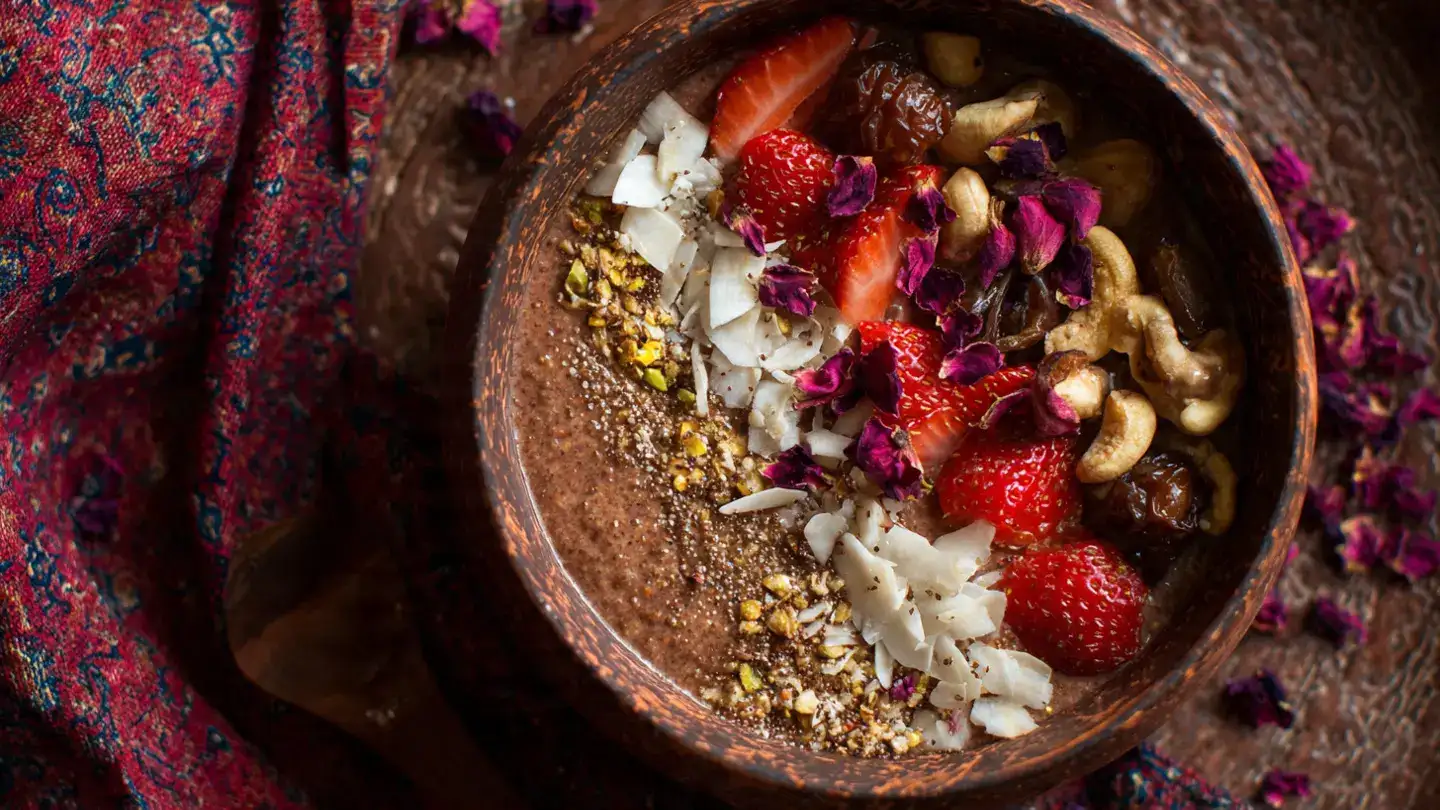
The secret lies in combining iron-rich staples with ingredients that help the body absorb that iron better. Vitamin C-rich additions such as lemon, amla, tomatoes and guava can significantly improve absorption, while traditional cooking methods like soaking and sprouting make nutrients easier to use. With a few smart recipes, everyday meals can become highly effective in supporting better blood health.
Cook rice and moong dal together until soft, then stir in finely chopped spinach, tomatoes, cumin and a little garlic. Finish with lemon juice before serving.
This dish works especially well for lunch or dinner because it is gentle on digestion and suitable even during recovery from weakness or illness.
Cook ragi in water or milk until smooth, then add softened dates for natural sweetness. Top with pumpkin seeds or sesame seeds for an extra mineral boost.
Serving it with sliced guava or orange on the side helps improve iron absorption and makes the meal even more effective for low haemoglobin support.
Use soaked and boiled kala chana, then toss it with chopped onions, tomatoes, cucumber, coriander and pomegranate seeds. Add roasted cumin and a squeeze of lime.
The pomegranate adds freshness and supports the recipe’s blood-building appeal, while lime helps the body absorb the non-haem iron present in chickpeas.
Serve the theplas with a sesame-curd dip flavoured with mint and a touch of lemon.
This recipe works well as a breakfast, travel meal or evening snack and combines iron, calcium and gut-friendly nutrition in one plate.
Dry roast sesame and peanuts, mix them into melted jaggery and shape into small balls or bars.
These can be stored for days and enjoyed as a mid-morning or evening snack. Pairing them with amla juice or fresh fruit instead of tea makes the iron more available to the body.
Cook masoor dal with tomatoes, garlic and black pepper until soft, then blend lightly for a smooth texture. Top with coriander and lemon juice.
This is especially useful for older adults, teenagers or anyone recovering from illness who needs a comforting yet nutrient-focused meal.
Soaking lentils, sprouting beans and fermenting batters improve nutrient availability and are already deeply rooted in Indian cooking traditions.
Using cast iron cookware for dals, curries and sabzis is another simple habit that can slightly increase the iron content of food over time.
Nutrient-rich Indian recipes for anaemia do not need expensive ingredients or complicated planning. In fact, some of the most effective choices come from simple home kitchens using lentils, greens, millets, seeds and traditional cooking wisdom.
With consistent meal planning and better ingredient pairings, these recipes can support healthier haemoglobin levels, improve daily energy and help reduce the weakness commonly linked to anaemia.
Image Courtesy: Meta AI
The secret lies in combining iron-rich staples with ingredients that help the body absorb that iron better. Vitamin C-rich additions such as lemon, amla, tomatoes and guava can significantly improve absorption, while traditional cooking methods like soaking and sprouting make nutrients easier to use. With a few smart recipes, everyday meals can become highly effective in supporting better blood health.
Spinach Moong Khichdi For A Comforting Iron Boost
A simple spinach moong khichdi is one of the easiest meals for people dealing with anaemia. Moong dal offers iron, protein and folate, while spinach adds plant-based iron and several supportive minerals.Cook rice and moong dal together until soft, then stir in finely chopped spinach, tomatoes, cumin and a little garlic. Finish with lemon juice before serving.
This dish works especially well for lunch or dinner because it is gentle on digestion and suitable even during recovery from weakness or illness.
Ragi And Date Breakfast Bowl
Ragi is one of the best Indian grains for people looking to improve iron intake naturally. A warm breakfast bowl made with ragi flour, chopped dates and crushed nuts can offer a nourishing start to the day.Cook ragi in water or milk until smooth, then add softened dates for natural sweetness. Top with pumpkin seeds or sesame seeds for an extra mineral boost.
Serving it with sliced guava or orange on the side helps improve iron absorption and makes the meal even more effective for low haemoglobin support.
Black Chana And Pomegranate Salad
Black chana is widely available, budget-friendly and naturally rich in iron. Turning it into a fresh salad is a smart way to create a nutrient-dense snack or light meal.Use soaked and boiled kala chana, then toss it with chopped onions, tomatoes, cucumber, coriander and pomegranate seeds. Add roasted cumin and a squeeze of lime.
The pomegranate adds freshness and supports the recipe’s blood-building appeal, while lime helps the body absorb the non-haem iron present in chickpeas.
Methi Thepla With Sesame Curd Dip
Fenugreek leaves are rich in iron and pair beautifully with whole wheat flour in soft methi theplas. This traditional preparation can be made even more supportive for anaemia by adding roasted sesame powder to the dough.Serve the theplas with a sesame-curd dip flavoured with mint and a touch of lemon.
This recipe works well as a breakfast, travel meal or evening snack and combines iron, calcium and gut-friendly nutrition in one plate.
Jaggery Sesame And Peanut Bites
Healthy snacking is equally important for people trying to improve haemoglobin. Homemade bites made with jaggery, sesame seeds and peanuts are practical, delicious and nutrient-dense.Dry roast sesame and peanuts, mix them into melted jaggery and shape into small balls or bars.
These can be stored for days and enjoyed as a mid-morning or evening snack. Pairing them with amla juice or fresh fruit instead of tea makes the iron more available to the body.
Tomato Masoor Soup With Coriander
For those who prefer light meals, tomato masoor soup is an excellent option. Red lentils provide iron and folate, while tomatoes contribute vitamin C and improve flavour naturally.Cook masoor dal with tomatoes, garlic and black pepper until soft, then blend lightly for a smooth texture. Top with coriander and lemon juice.
You may also like
- Understanding the Significance of Moles on Your Body
- Heart attacks without warning? Doctors at TOI Cardio Medithon highlight early risks, hidden symptoms and how to stay protected
- Is Nykaa buying a major stake in Deepika Padukone's skincare brand 82°E? Inside the potential deal that could redefine India's beauty market
- Health Benefits of Star Anise: A Spice with Surprising Properties
- Natural Remedies: Harnessing Garlic, Turmeric, and Cloves for Health
This is especially useful for older adults, teenagers or anyone recovering from illness who needs a comforting yet nutrient-focused meal.
Small Food Habits That Improve Results
Recipes alone help, but a few meal habits can make them far more effective. Tea and coffee should ideally not be consumed immediately before or after iron-rich meals, as they may reduce absorption.Soaking lentils, sprouting beans and fermenting batters improve nutrient availability and are already deeply rooted in Indian cooking traditions.
Using cast iron cookware for dals, curries and sabzis is another simple habit that can slightly increase the iron content of food over time.
Nutrient-rich Indian recipes for anaemia do not need expensive ingredients or complicated planning. In fact, some of the most effective choices come from simple home kitchens using lentils, greens, millets, seeds and traditional cooking wisdom.
With consistent meal planning and better ingredient pairings, these recipes can support healthier haemoglobin levels, improve daily energy and help reduce the weakness commonly linked to anaemia.
Image Courtesy: Meta AI






More from our partners


Loving Newspoint? Download the app now
