
Orchid Care: A Complete Guide to Growing Healthy Flowers at Home

Orchids are among the most elegant and long-lasting flowering plants you can grow indoors. Their exotic blooms add instant charm to homes, offices, and balconies. While orchids have a reputation for being high-maintenance, the truth is that with the right care routine, they can thrive and rebloom beautifully year after year.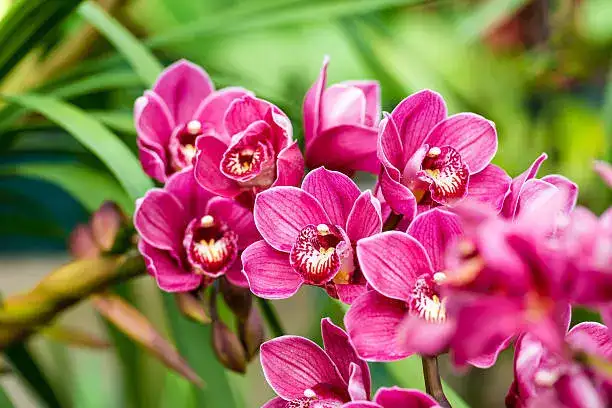
This complete guide covers orchid care at home , from light and watering to fertilising and reblooming—along with key SEO points for easy reference.
The most common indoor variety is Phalaenopsis (moth orchid), ideal for beginners due to its adaptability and long-lasting flowers.
Light plays a crucial role in healthy growth and blooming.
Overwatering is the biggest mistake in orchid care.
Orchids thrive in moderate humidity levels.
Orchids prefer temperatures similar to a comfortable indoor environment.
Orchids should never be grown in regular garden soil.
Regular but light feeding keeps orchids healthy.
Care After Flowering
Once flowers fall, the plant is not dead it’s resting.
Yellow leaves: Overwatering or poor drainage
Orchid care is about understanding balance light, water, air, and patience. Once you learn their basic needs, orchids reward you with stunning flowers that last for weeks and return year after year. With consistent care, growing healthy orchid flowers at home becomes both easy and deeply rewarding.
This complete guide covers orchid care at home , from light and watering to fertilising and reblooming—along with key SEO points for easy reference.
Understanding Orchids
Orchids are epiphytic plants, meaning they grow on trees in their natural environment rather than in soil. This is why they need special potting media and excellent air circulation around their roots.The most common indoor variety is Phalaenopsis (moth orchid), ideal for beginners due to its adaptability and long-lasting flowers.
Light Requirements for Orchids
Light plays a crucial role in healthy growth and blooming.
- Bright, indirect sunlight is ideal
- East- or north-facing windows work best
- Avoid direct midday sun, which can burn leaves
- Light green leaves indicate correct lighting; dark green suggests low light
Watering Orchids the Right Way
Overwatering is the biggest mistake in orchid care.
- Water once every 7–10 days, depending on climate
- Allow the potting mix to dry slightly between watering
- Always drain excess water completely
- Never let roots sit in stagnant water
Humidity and Air Circulation
Orchids thrive in moderate humidity levels.
- Ideal humidity: 50–70%
- Use a humidity tray or light misting in dry weather
- Ensure good air circulation to prevent fungal infections
Ideal Temperature for Orchid Growth
Orchids prefer temperatures similar to a comfortable indoor environment.
- Daytime: 18–27°C
- Nighttime: slightly cooler temperatures help initiate flowering
- Protect plants from cold drafts, heaters, and air conditioners
Potting Mix and Containers
Orchids should never be grown in regular garden soil.
- Use orchid bark, coco chips, sphagnum moss, or charcoal mixes
- Pots must have proper drainage holes
- Clear plastic pots help monitor root health
Feeding and Fertilising Orchids
Regular but light feeding keeps orchids healthy.
- Use a balanced orchid fertiliser
- Feed every 2–3 weeks during active growth
- Reduce fertiliser during rest periods
Care After Flowering
Once flowers fall, the plant is not dead it’s resting.
You may also like
- Oscars 2026 tribute honours Giorgio Armani, but fans ask: How about Valentino?
- Petrol Diesel Price Today: Latest Fuel Rates Announced Across India — Check Petrol and Diesel Prices in Your City
- In these 5 situations, a person's true face is revealed, Acharya Chanakya revealed the truth
- Iconic! Anna Wintour and Anne Hathaway recreate Devil Wears Prada moment at the Oscars
- Celebrating Milestones: Aamir Khan's Birthday and Cameron Diaz's Comeback
- Cut the spike above a node for a chance of rebloom
- Or cut it at the base to let the plant focus on leaf and root growth
- Continue regular care
Common Orchid Problems and Solutions
Yellow leaves: Overwatering or poor drainage
- Wrinkled leaves: Underwatering or root damage
- No blooms: Low light or lack of temperature variation
- Correcting these issues usually restores plant health.
Indirect sunlight is essential
- Never overwater
- Use proper orchid potting mix
- Maintain humidity and airflow
- Be patient orchids bloom on their own schedule
Orchid care is about understanding balance light, water, air, and patience. Once you learn their basic needs, orchids reward you with stunning flowers that last for weeks and return year after year. With consistent care, growing healthy orchid flowers at home becomes both easy and deeply rewarding.






More from our partners


Loving Newspoint? Download the app now
