
Parrot Care Tips: Diet, Cage Hygiene And Interaction For A Happy, Healthy And Social Pet Bird

Bringing a parrot home is an exciting experience, but caring for one requires more thought than many first-time owners realise. Parrots are intelligent, social and emotionally sensitive birds that need a structured daily routine to remain healthy and content. Their wellbeing depends on three key pillars: a balanced diet, a clean living environment and regular interaction that keeps them mentally stimulated.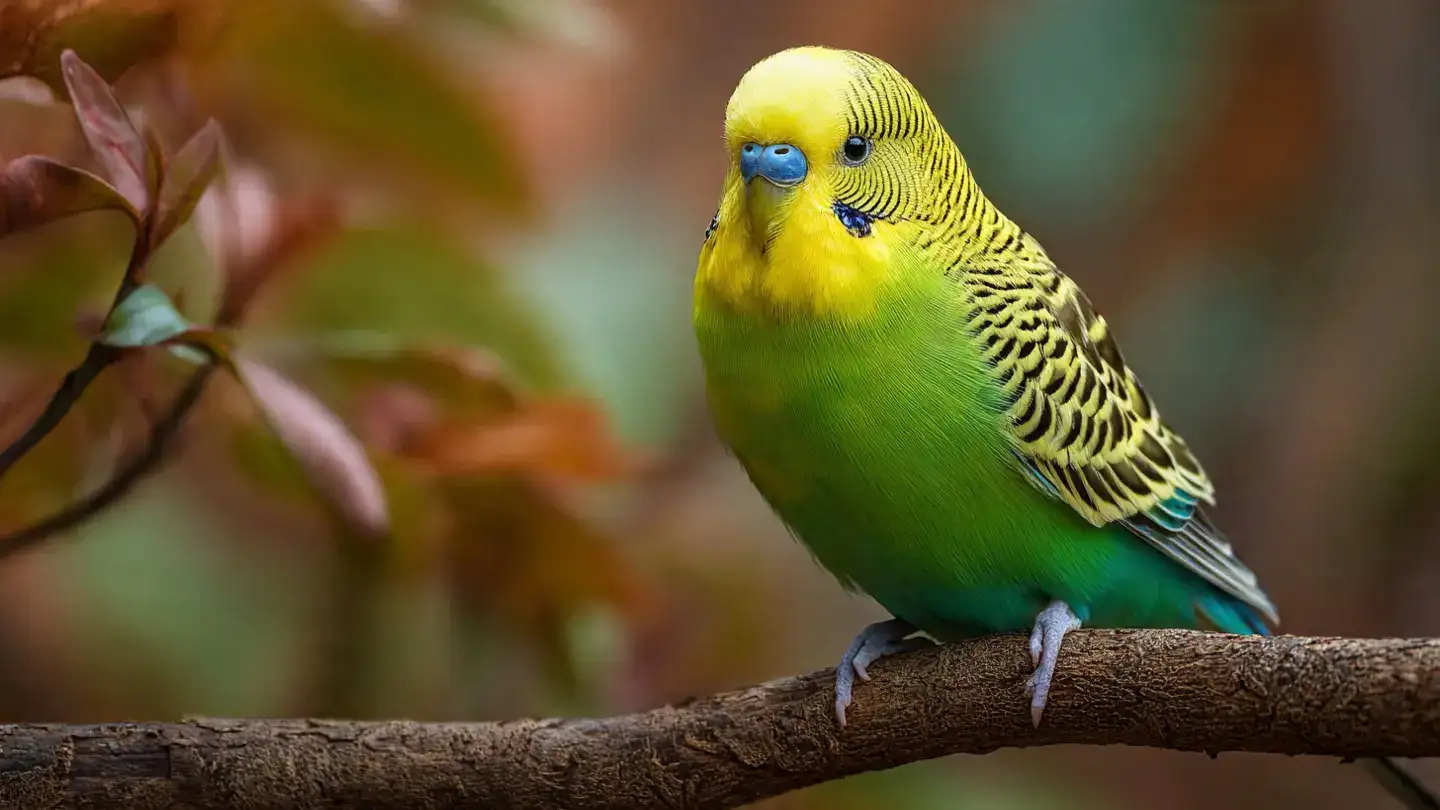
Unlike some other pets, parrots can become stressed, bored or even unwell if their physical and emotional needs are ignored. A thoughtful care routine helps support strong feathers, healthy digestion, good behaviour and a trusting bond with their owner. Whether you have a budgie, cockatiel, African grey or macaw, these practical bird care essentials can help create a safer and happier home environment.
Leafy greens, carrots, capsicum, broccoli, apple slices and berries are excellent additions. Fresh water should always be available and changed daily. Foods that are unsafe, such as chocolate, avocado, caffeine, alcohol and very salty snacks, should never be offered.
A balanced feeding routine supports feather quality, energy levels and immune health, making it one of the most effective parrot care tips for long-term wellness.
Food bowls and water dishes should be washed every day. Cage liners need regular replacement to remove droppings and leftover food. Perches and toys should also be wiped down frequently, especially if they collect food residue or dust.
A deeper clean once a week is equally important. This includes washing the cage bars, trays and accessories with bird-safe cleaning products and ensuring everything is fully dry before the parrot returns.
A hygienic cage not only protects health but also keeps the bird more comfortable and active.
Choose a cage that is wide enough for horizontal movement, with multiple perches of different textures and thicknesses. This helps support foot health and prevents pressure points. Toys, ladders and swings add enrichment while encouraging movement.
The cage should be placed in a well-lit, ventilated part of the home, away from direct kitchen fumes, strong perfumes and sudden temperature changes.
These bird care essentials improve both physical comfort and emotional stability.
Spend time speaking to your bird every day, even outside direct play sessions. Gentle conversation, simple training cues and interactive toys all contribute to healthy stimulation. Many parrots also enjoy supervised time outside the cage, where they can perch safely and interact with family members.
This daily bonding routine forms the heart of any good parrot interaction guide . It helps build trust, reduces stress and strengthens your connection over time.
Puzzle toys, treat-dispensing toys, bells, ropes and rotating play items can help prevent boredom. Changing toy positions and introducing safe new objects from time to time keeps the environment interesting.
Talking, mimicking sounds and simple trick training also provide mental exercise. Even short sessions each day can improve behaviour and reduce attention-seeking habits.
Changes in interaction levels can also be revealing. A usually social bird that becomes withdrawn may need environmental or health attention.
By combining proper diet, clean surroundings and regular interaction, owners can often notice issues early and respond before they become serious.
Parrots respond strongly to routine because it reduces anxiety and helps them understand their environment. Over time, these habits encourage better behaviour, stronger trust and improved health.
Caring for a parrot is not simply about meeting basic needs. It is about creating a lifestyle that respects the bird’s intelligence, emotional sensitivity and natural instincts. When diet, cage hygiene and interaction are handled thoughtfully, parrots reward their owners with affection, playfulness and companionship that can last for many years.
With the right attention and structure, these intelligent birds do far more than survive in a home environment. They truly thrive.
Image Courtesy: Meta AI
Unlike some other pets, parrots can become stressed, bored or even unwell if their physical and emotional needs are ignored. A thoughtful care routine helps support strong feathers, healthy digestion, good behaviour and a trusting bond with their owner. Whether you have a budgie, cockatiel, African grey or macaw, these practical bird care essentials can help create a safer and happier home environment.
Build A Balanced And Varied Diet
One of the most important aspects of a pet bird diet is variety. Many people assume seeds alone are enough, but an all-seed diet may not provide balanced nutrition for most parrots. A healthier approach includes high-quality pellets as the base, supported by fresh fruits, vegetables and occasional seeds as treats.Leafy greens, carrots, capsicum, broccoli, apple slices and berries are excellent additions. Fresh water should always be available and changed daily. Foods that are unsafe, such as chocolate, avocado, caffeine, alcohol and very salty snacks, should never be offered.
A balanced feeding routine supports feather quality, energy levels and immune health, making it one of the most effective parrot care tips for long-term wellness.
Keep Cage Hygiene A Daily Priority
Clean surroundings are vital for preventing illness. Poor cage hygiene for parrots can quickly lead to bacterial growth, unpleasant odours and infections.Food bowls and water dishes should be washed every day. Cage liners need regular replacement to remove droppings and leftover food. Perches and toys should also be wiped down frequently, especially if they collect food residue or dust.
A deeper clean once a week is equally important. This includes washing the cage bars, trays and accessories with bird-safe cleaning products and ensuring everything is fully dry before the parrot returns.
A hygienic cage not only protects health but also keeps the bird more comfortable and active.
Create Space For Movement And Comfort
Parrots need enough room to stretch their wings, climb and move naturally. A cramped cage can lead to frustration and low activity levels.Choose a cage that is wide enough for horizontal movement, with multiple perches of different textures and thicknesses. This helps support foot health and prevents pressure points. Toys, ladders and swings add enrichment while encouraging movement.
The cage should be placed in a well-lit, ventilated part of the home, away from direct kitchen fumes, strong perfumes and sudden temperature changes.
These bird care essentials improve both physical comfort and emotional stability.
Daily Interaction Builds Trust
Parrots are highly social animals and thrive on companionship. Lack of engagement can lead to boredom, excessive screaming or feather plucking.Spend time speaking to your bird every day, even outside direct play sessions. Gentle conversation, simple training cues and interactive toys all contribute to healthy stimulation. Many parrots also enjoy supervised time outside the cage, where they can perch safely and interact with family members.
This daily bonding routine forms the heart of any good parrot interaction guide . It helps build trust, reduces stress and strengthens your connection over time.
Mental Stimulation Is Just As Important As Food
A healthy parrot routine should include activities that challenge the bird’s intelligence. Parrots are naturally curious and problem-solving by nature.Puzzle toys, treat-dispensing toys, bells, ropes and rotating play items can help prevent boredom. Changing toy positions and introducing safe new objects from time to time keeps the environment interesting.
Talking, mimicking sounds and simple trick training also provide mental exercise. Even short sessions each day can improve behaviour and reduce attention-seeking habits.
Watch For Behavioural And Health Changes
Good parrot care also means observing small daily changes. Reduced appetite, fluffed feathers, unusual droppings, low energy or sudden aggression may signal stress or illness.Changes in interaction levels can also be revealing. A usually social bird that becomes withdrawn may need environmental or health attention.
By combining proper diet, clean surroundings and regular interaction, owners can often notice issues early and respond before they become serious.
Consistency Creates A Thriving Pet Bird
The secret to long-term parrot wellbeing lies in consistency. Feeding at regular times, cleaning the cage routinely and maintaining daily social contact creates a sense of security.Parrots respond strongly to routine because it reduces anxiety and helps them understand their environment. Over time, these habits encourage better behaviour, stronger trust and improved health.
Caring for a parrot is not simply about meeting basic needs. It is about creating a lifestyle that respects the bird’s intelligence, emotional sensitivity and natural instincts. When diet, cage hygiene and interaction are handled thoughtfully, parrots reward their owners with affection, playfulness and companionship that can last for many years.
With the right attention and structure, these intelligent birds do far more than survive in a home environment. They truly thrive.
Image Courtesy: Meta AI






More from our partners


Loving Newspoint? Download the app now
