
Parrots Can Talk to Each Other, Not Just Copy Humans, Says Research

The image of a parrot repeating human words has always been fascinating, but new research is pushing that idea much further. Scientists now suggest that parrots are not just copying sounds for fun. They may actually be communicating with each other in ways that resemble real conversations.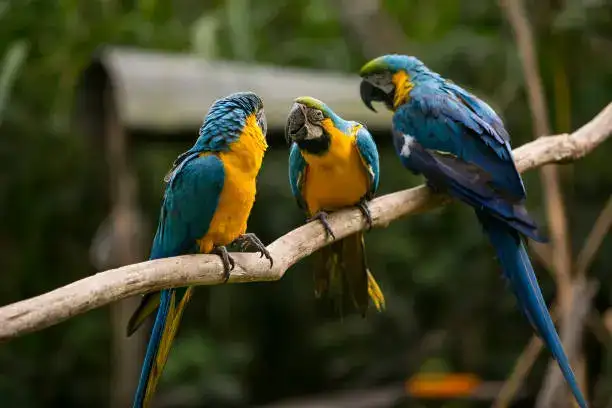
This discovery challenges long-held beliefs about animal communication. It opens up a new way of thinking about how intelligence and social behaviour develop across species, showing that meaningful interaction may not be limited to humans alone.
More Than Just Random Sounds
Studies based on observing parrots in the wild reveal that their vocalisations are not random. Instead, there appears to be a structure and purpose behind the sounds they make.
Research on the Yellow-naped Amazon has uncovered a unique behaviour called “warble duets.”
These duets involve pairs of parrots exchanging sounds in a coordinated pattern. Rather than speaking at random, the birds respond to each other, almost like a back and forth conversation. As described in the study "Decoding parrot duets: complex communication in yellow-naped amazons", such interactions highlight organised communication in parrots.
Why Parrots Can ‘Talk’
One of the main reasons parrots can mimic and communicate so effectively is their ability for vocal learning. This allows them to hear a sound, store it in memory, and reproduce it with precision.
What makes parrots special is how closely this process resembles human language learning. Young children learn by listening and repeating, and parrots seem to follow a similar pattern.
According to the study "Pair duets in the Yellow-naped Amazon (Amazona auropalliata): phonology and syntax", these vocal patterns follow organised rules that are comparable to basic structures of human language.
In addition, their brain structure supports this ability. Some parrots have specialised regions linked to speech and sound processing, which show surprising similarities to those found in humans.
Do Parrots Understand What They Say
A major question among scientists is whether parrots truly understand the sounds they produce or if they are simply mimicking them. While not all parrots may grasp meaning, research suggests that some do use sounds in meaningful ways.
There have been observations of parrots using specific words or calls to refer to objects, actions, or situations. This indicates that their communication may involve understanding, even if it is more practical and less complex than human language.
Communication in the Wild vs Captivity
Parrots behave very differently depending on where they live. In captivity, they often mimic human speech because they see humans as part of their social group.
In the wild, their communication serves a much broader purpose.
They use vocal signals to maintain contact with their group, recognise each other, organise movement, and express emotions. Some researchers believe these calls can function like names, helping parrots identify individual members within a flock.
Because of this, scientists believe that studying parrots in the wild offers a more accurate understanding of their natural communication, rather than focusing only on their ability to mimic humans.
Why This Research Matters
Understanding how parrots communicate can offer valuable insights into the evolution of language. If birds are capable of structured vocal systems, it suggests that the origins of language may not be unique to humans but could have developed across different species over time.
This research also highlights the intelligence of parrots and the importance of protecting them. Many species, including the Yellow-naped Amazon, face threats in the wild, making conservation efforts even more important.
Rethinking Animal Communication
These findings suggest that parrots are far more than entertaining mimics. They are social communicators with their own structured ways of interacting.
While their communication may not match human language in complexity, it is organised, purposeful, and meaningful.
As research continues, parrots may help us better understand how communication evolved, showing that some of the most fascinating conversations in nature are happening quietly among the trees.
This discovery challenges long-held beliefs about animal communication. It opens up a new way of thinking about how intelligence and social behaviour develop across species, showing that meaningful interaction may not be limited to humans alone.
More Than Just Random Sounds
Studies based on observing parrots in the wild reveal that their vocalisations are not random. Instead, there appears to be a structure and purpose behind the sounds they make. Research on the Yellow-naped Amazon has uncovered a unique behaviour called “warble duets.”
These duets involve pairs of parrots exchanging sounds in a coordinated pattern. Rather than speaking at random, the birds respond to each other, almost like a back and forth conversation. As described in the study "Decoding parrot duets: complex communication in yellow-naped amazons", such interactions highlight organised communication in parrots.
Why Parrots Can ‘Talk’
One of the main reasons parrots can mimic and communicate so effectively is their ability for vocal learning. This allows them to hear a sound, store it in memory, and reproduce it with precision.What makes parrots special is how closely this process resembles human language learning. Young children learn by listening and repeating, and parrots seem to follow a similar pattern.
According to the study "Pair duets in the Yellow-naped Amazon (Amazona auropalliata): phonology and syntax", these vocal patterns follow organised rules that are comparable to basic structures of human language.
In addition, their brain structure supports this ability. Some parrots have specialised regions linked to speech and sound processing, which show surprising similarities to those found in humans.
Do Parrots Understand What They Say
A major question among scientists is whether parrots truly understand the sounds they produce or if they are simply mimicking them. While not all parrots may grasp meaning, research suggests that some do use sounds in meaningful ways.There have been observations of parrots using specific words or calls to refer to objects, actions, or situations. This indicates that their communication may involve understanding, even if it is more practical and less complex than human language.
Communication in the Wild vs Captivity
Parrots behave very differently depending on where they live. In captivity, they often mimic human speech because they see humans as part of their social group. In the wild, their communication serves a much broader purpose.
They use vocal signals to maintain contact with their group, recognise each other, organise movement, and express emotions. Some researchers believe these calls can function like names, helping parrots identify individual members within a flock.
Because of this, scientists believe that studying parrots in the wild offers a more accurate understanding of their natural communication, rather than focusing only on their ability to mimic humans.
Why This Research Matters
Understanding how parrots communicate can offer valuable insights into the evolution of language. If birds are capable of structured vocal systems, it suggests that the origins of language may not be unique to humans but could have developed across different species over time. This research also highlights the intelligence of parrots and the importance of protecting them. Many species, including the Yellow-naped Amazon, face threats in the wild, making conservation efforts even more important.
Rethinking Animal Communication
These findings suggest that parrots are far more than entertaining mimics. They are social communicators with their own structured ways of interacting. While their communication may not match human language in complexity, it is organised, purposeful, and meaningful.
As research continues, parrots may help us better understand how communication evolved, showing that some of the most fascinating conversations in nature are happening quietly among the trees.
Next Story