
Pasteurized vs Raw Milk: Should You Really Boil Packet Milk Before Drinking?

India is the world’s largest milk producer, contributing nearly 24-25% of global production. From morning tea to festive sweets, milk remains an essential part of the Indian diet. Despite rising discussions about lactose intolerance and dairy-related concerns, milk continues to hold a strong place in Indian kitchens and culture.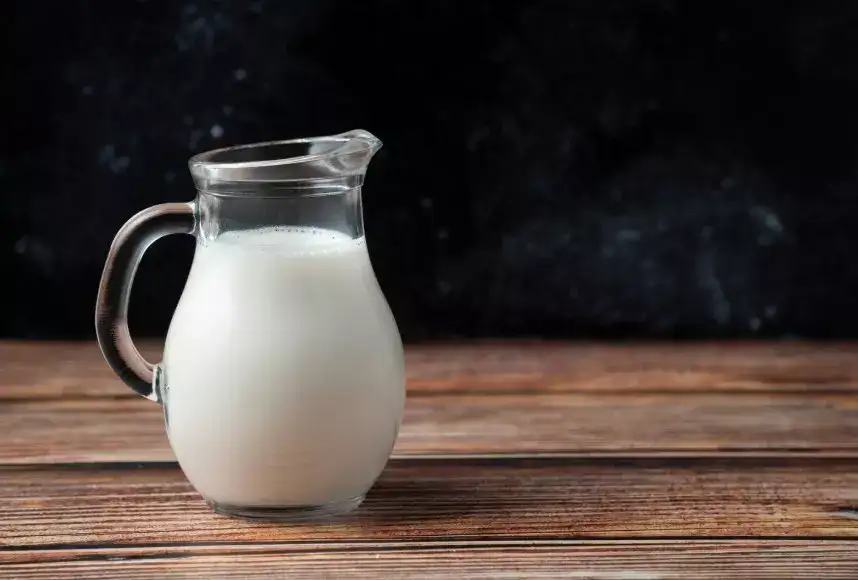
Earlier, milk was supplied directly by local milkmen and boiled at home before consumption. But after the White Revolution boosted production, packaged pasteurized milk from dairy companies became the norm. This shift also sparked a common question in Indian households, should packet milk still be boiled?
Most packaged milk follows the high-temperature short-time (HTST) method, which destroys dangerous pathogens such as E. coli, Salmonella, and Listeria, along with bacteria that cause tuberculosis and brucellosis. While it significantly reduces the risk of foodborne illness, it does not fully sterilize the milk.
The good news is that pasteurization keeps most nutrients like proteins and vitamins intact, though some heat-sensitive vitamins such as B12 may reduce slightly. The taste may also be milder compared to raw milk.
Since raw milk skips pasteurization, it may contain harmful bacteria and must be boiled before consumption to ensure safety.
However, research published in the National Library of Medicine notes that while pasteurization improves safety, it also reduces some natural antimicrobial enzymes in milk. These compounds normally help slow bacterial growth, and their reduction may affect how milk behaves during storage.
Despite official guidelines, many Indian households continue to boil packet milk . Some people prefer this extra step for reassurance about safety or freshness.
Medical experts also share practical advice. Delhi-based GP Dr. Vijay Sharma says boiling milk on a low flame for about five minutes can eliminate germs and make it safer. He adds that briefly heating pasteurized milk does not cause major nutritional loss.
Proper pasteurization removes most of these risks. Similarly, boiling milk can also kill harmful microorganisms, just as boiling water eliminates germs.
Pasteurized milk is already treated to make it safe for consumption, so boiling is not strictly necessary. However, briefly heating packet milk remains a cultural habit in many Indian homes and can provide extra reassurance without significantly affecting nutrition.
Whether you choose to boil it or not, the key is safe handling, proper storage, and awareness of the type of milk you consume.
Earlier, milk was supplied directly by local milkmen and boiled at home before consumption. But after the White Revolution boosted production, packaged pasteurized milk from dairy companies became the norm. This shift also sparked a common question in Indian households, should packet milk still be boiled?
What Is Pasteurized Milk?
Pasteurized milk is regular milk that undergoes heat treatment to eliminate harmful bacteria. Named after French scientist Louis Pasteur, the process involves heating milk at high temperatures and then rapidly cooling it.Most packaged milk follows the high-temperature short-time (HTST) method, which destroys dangerous pathogens such as E. coli, Salmonella, and Listeria, along with bacteria that cause tuberculosis and brucellosis. While it significantly reduces the risk of foodborne illness, it does not fully sterilize the milk.
The good news is that pasteurization keeps most nutrients like proteins and vitamins intact, though some heat-sensitive vitamins such as B12 may reduce slightly. The taste may also be milder compared to raw milk.
What Is Raw Milk?
Raw milk is fresh milk obtained directly from animals like cows, goats, or sheep without any heat treatment. It is unprocessed and often supplied directly by cattle owners in many Indian homes.Since raw milk skips pasteurization, it may contain harmful bacteria and must be boiled before consumption to ensure safety.
Is Boiling Pasteurized Milk Necessary?
According to the US Food and Drug Administration (FDA), pasteurized milk is already safe to drink and does not require further boiling. Heating it again does not increase safety and prolonged boiling may slightly reduce certain nutrients.However, research published in the National Library of Medicine notes that while pasteurization improves safety, it also reduces some natural antimicrobial enzymes in milk. These compounds normally help slow bacterial growth, and their reduction may affect how milk behaves during storage.
Despite official guidelines, many Indian households continue to boil packet milk . Some people prefer this extra step for reassurance about safety or freshness.
What Experts Say
Science teacher Vrinda Sharma explains that although pasteurized milk is considered safe, briefly boiling it at home is still common practice because people may not always trust how effectively pasteurization was carried out.Medical experts also share practical advice. Delhi-based GP Dr. Vijay Sharma says boiling milk on a low flame for about five minutes can eliminate germs and make it safer. He adds that briefly heating pasteurized milk does not cause major nutritional loss.
What Harmful Pathogens Can Milk Contain?
Raw milk can carry dangerous bacteria such as Salmonella, E. coli, Listeria monocytogenes, Campylobacter, and Staphylococcus aureus. These pathogens can enter milk through poor handling, contamination, or infections in animals and may lead to serious illness.Proper pasteurization removes most of these risks. Similarly, boiling milk can also kill harmful microorganisms, just as boiling water eliminates germs.
Pasteurized milk is already treated to make it safe for consumption, so boiling is not strictly necessary. However, briefly heating packet milk remains a cultural habit in many Indian homes and can provide extra reassurance without significantly affecting nutrition.
Whether you choose to boil it or not, the key is safe handling, proper storage, and awareness of the type of milk you consume.
Next Story