
Planning a Snow Trip in March? Visit These 5 Places in India

March is often associated with blooming flowers and the first hints of summer. Across most of India, the air turns warmer and winter slowly fades away. But if you are someone who is not quite ready to pack away your woollens, there is good news. In the higher stretches of the Himalayas, winter still lingers in March. Snow continues to blanket mountain slopes, alpine meadows, and even rooftops in certain regions above 2,500 to 3,000 metres.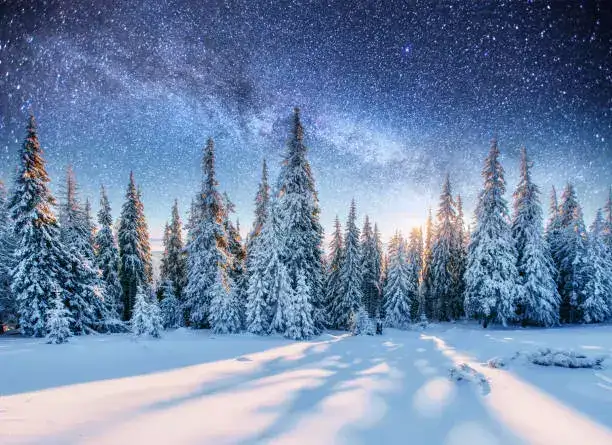
Fresh snowfall may become less frequent toward the end of the month, yet thick layers of accumulated snow remain in many high-altitude destinations. If you are dreaming of one last snowy getaway before summer takes over, here are five places in India where you can still experience snow in March.
Gulmarg
Located at around 2,650 metres in Jammu and Kashmir, Gulmarg is one of the most dependable snow destinations in the country. Between December and March, this charming hill town transforms into a winter sports hub. Snow usually stays well into early spring, making March a great time to visit.
A major highlight is the Gulmarg Gondola, one of the highest cable cars in the world. It carries visitors up to Apharwat Peak at nearly 3,980 metres. At this altitude, snow remains thick through most of March and sometimes even into April, depending on seasonal conditions. Skiers, snowboarders, and snow lovers will find plenty to enjoy here.
Spiti Valley
Spiti Valley sits at an average altitude of about 3,800 metres, making it one of India’s highest inhabited regions. In March, winter still feels intense here. Daytime temperatures remain low, and nights often drop well below freezing. Snow covers villages such as Kaza, Kibber, Langza, and Hikkim, creating a stark yet beautiful white landscape.
Spiti is a cold desert mountain valley that receives heavy snowfall during winter. The Manali to Kaza route via Rohtang Pass and Kunzum Pass usually stays closed in March due to snow accumulation. Travelers generally access Spiti through the Shimla and Kinnaur route, depending on road conditions. For those who enjoy raw, dramatic landscapes and peaceful surroundings, March in Spiti offers a truly unique experience.
Manali
Manali, set at about 2,050 metres in the Kullu Valley, begins to transition into spring by March. Snow within the town may start thinning out as the month progresses, especially toward late March. However, higher-altitude areas nearby continue to hold onto winter.
Solang Valley, located roughly 13 km from Manali at around 2,560 metres, usually retains snow in early March. It remains a popular destination for skiing, snow tubing, and snowmobiling. While the snow gradually reduces later in the month, early March often offers reliable snow cover and stunning mountain views.
Auli
Auli, situated between 2,800 and 3,050 metres in Uttarakhand’s Chamoli district, is one of India’s most famous ski resorts. Snowfall typically begins in December and continues through February, with accumulated snow lasting into March.
The slopes in Auli are specially developed for skiing and winter sports events are organized depending on snow conditions. Even when fresh snowfall decreases by mid-March, the existing snow cover often remains suitable for skiing and sightseeing. Clear views of the surrounding Himalayan peaks add to the charm of this snowy retreat.
Yumthang Valley
Yumthang Valley, located at about 3,564 metres in North Sikkim, is often called the Valley of Flowers during spring. However, in early March, it is still wrapped in snow before the rhododendron blooms begin in April.
The valley lies beyond Lachung and requires permits for Indian travellers. Snow commonly blankets the meadows and surrounding mountains in March, especially in the first half of the month. Nearby Yumesamdong, at an altitude of around 4,600 metres, usually experiences heavier and more consistent snow. Mornings and evenings remain extremely cold, offering a true high-altitude winter experience.
Plan Before You Go
While these destinations offer snow in March, mountain travel can be unpredictable. Road closures, changing weather, and temperature fluctuations are common in high-altitude regions. It is wise to check local conditions, carry proper winter clothing, and plan your itinerary carefully.
If you are hoping to catch one final glimpse of winter before the warmth of summer arrives, these Himalayan destinations provide the perfect opportunity. March may mark the start of spring for many, but in these elevated corners of India, winter still holds its magical ground.
Fresh snowfall may become less frequent toward the end of the month, yet thick layers of accumulated snow remain in many high-altitude destinations. If you are dreaming of one last snowy getaway before summer takes over, here are five places in India where you can still experience snow in March.
Gulmarg
Located at around 2,650 metres in Jammu and Kashmir, Gulmarg is one of the most dependable snow destinations in the country. Between December and March, this charming hill town transforms into a winter sports hub. Snow usually stays well into early spring, making March a great time to visit.A major highlight is the Gulmarg Gondola, one of the highest cable cars in the world. It carries visitors up to Apharwat Peak at nearly 3,980 metres. At this altitude, snow remains thick through most of March and sometimes even into April, depending on seasonal conditions. Skiers, snowboarders, and snow lovers will find plenty to enjoy here.
Spiti Valley
Spiti Valley sits at an average altitude of about 3,800 metres, making it one of India’s highest inhabited regions. In March, winter still feels intense here. Daytime temperatures remain low, and nights often drop well below freezing. Snow covers villages such as Kaza, Kibber, Langza, and Hikkim, creating a stark yet beautiful white landscape.You may also like
 Farhan Akhtar-backed 'Boong' wins BAFTA, director says 'it's a homage to my homeland'
- Word of the Day: Anand Mahindra explains the meaning of 'Déjà Vu' with a real-life example
- Swanand Kirkire on Arijit Singh's retirement: Maybe he'll refresh and come back
- Asha Sharma is now Microsoft Gaming chief: How her appointment could impact the Xbox and GTA 6 release
- Maharashtra Budget session to begin today; 15 bills to be introduced
Spiti is a cold desert mountain valley that receives heavy snowfall during winter. The Manali to Kaza route via Rohtang Pass and Kunzum Pass usually stays closed in March due to snow accumulation. Travelers generally access Spiti through the Shimla and Kinnaur route, depending on road conditions. For those who enjoy raw, dramatic landscapes and peaceful surroundings, March in Spiti offers a truly unique experience.
Manali
Manali, set at about 2,050 metres in the Kullu Valley, begins to transition into spring by March. Snow within the town may start thinning out as the month progresses, especially toward late March. However, higher-altitude areas nearby continue to hold onto winter. Solang Valley, located roughly 13 km from Manali at around 2,560 metres, usually retains snow in early March. It remains a popular destination for skiing, snow tubing, and snowmobiling. While the snow gradually reduces later in the month, early March often offers reliable snow cover and stunning mountain views.
Auli
Auli, situated between 2,800 and 3,050 metres in Uttarakhand’s Chamoli district, is one of India’s most famous ski resorts. Snowfall typically begins in December and continues through February, with accumulated snow lasting into March.The slopes in Auli are specially developed for skiing and winter sports events are organized depending on snow conditions. Even when fresh snowfall decreases by mid-March, the existing snow cover often remains suitable for skiing and sightseeing. Clear views of the surrounding Himalayan peaks add to the charm of this snowy retreat.
Yumthang Valley
Yumthang Valley, located at about 3,564 metres in North Sikkim, is often called the Valley of Flowers during spring. However, in early March, it is still wrapped in snow before the rhododendron blooms begin in April. The valley lies beyond Lachung and requires permits for Indian travellers. Snow commonly blankets the meadows and surrounding mountains in March, especially in the first half of the month. Nearby Yumesamdong, at an altitude of around 4,600 metres, usually experiences heavier and more consistent snow. Mornings and evenings remain extremely cold, offering a true high-altitude winter experience.
Plan Before You Go
While these destinations offer snow in March, mountain travel can be unpredictable. Road closures, changing weather, and temperature fluctuations are common in high-altitude regions. It is wise to check local conditions, carry proper winter clothing, and plan your itinerary carefully. If you are hoping to catch one final glimpse of winter before the warmth of summer arrives, these Himalayan destinations provide the perfect opportunity. March may mark the start of spring for many, but in these elevated corners of India, winter still holds its magical ground.






More from our partners


Loving Newspoint? Download the app now
