
Plant Based Protein Options Available In Indian Kitchens For A Healthy And Balanced Diet

Simple Plant Based Protein Options Available In Indian Kitchens For Natural Nutrition: Protein is an essential nutrient that supports muscle growth, tissue repair and overall body function. While many people associate protein mainly with animal-based foods, there are plenty of plant-based options that provide excellent nutritional value. In India, traditional diets have long included a wide variety of vegetarian ingredients that are naturally rich in protein. Many of these foods are already part of everyday cooking and can easily help meet daily nutritional needs. Understanding plant based protein options available in Indian kitchens can help individuals maintain a balanced diet without relying heavily on animal products. These ingredients not only supply protein but also offer fibre, vitamins and minerals that support long-term health.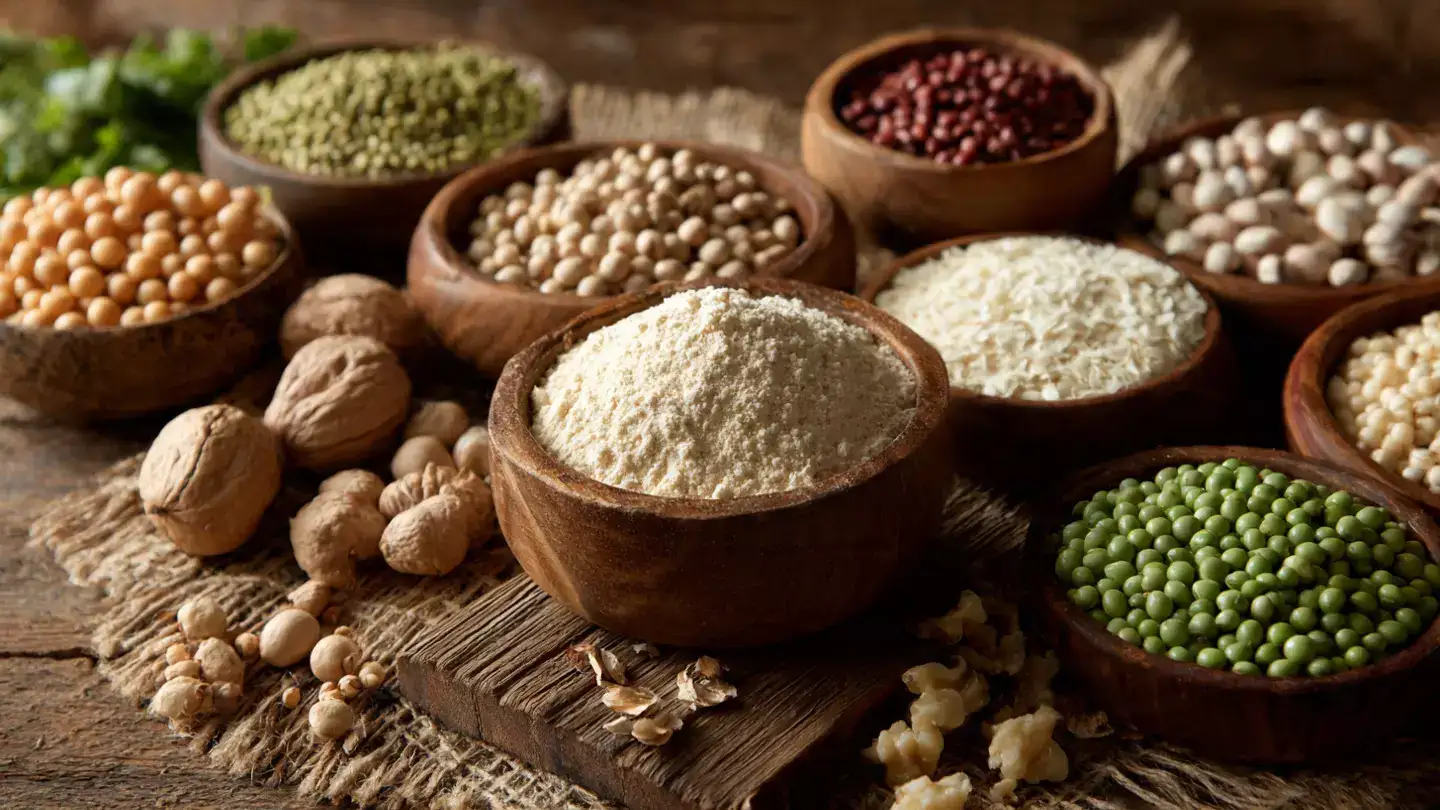
These foods are rich in plant protein as well as dietary fibre, which supports digestion and helps maintain steady energy levels throughout the day. Lentils also contain essential minerals such as iron, magnesium and potassium.
Because they are versatile, lentils can be used in many dishes including soups, stews, curries and savoury pancakes. Regular consumption of dals is one of the easiest ways to increase protein intake while keeping meals balanced and nourishing.
Chickpeas provide a combination of protein, fibre and complex carbohydrates that help maintain energy levels and support digestive health. They also contain several important nutrients including iron and folate.
Other legumes such as kidney beans, black beans and lobia also contribute significantly to plant protein foods India offers. These legumes can be included in everyday meals through curries, rice dishes and salads.
In addition to their nutritional value, legumes are affordable and easy to store, making them a practical protein source for many households.
Paneer, or fresh cottage cheese, is particularly popular because it provides high-quality protein and calcium. It is commonly used in curries, grilled dishes and stuffed breads.
Yoghurt and milk also contribute protein along with beneficial nutrients such as calcium and probiotics. These foods support bone health and digestive balance.
When combined with plant foods such as vegetables and grains, dairy products help create well-rounded meals that provide a complete range of nutrients.
Peanuts are particularly rich in protein and are often used in snacks, chutneys and savoury dishes. They are also an affordable source of plant-based nutrition.
Seeds such as sesame seeds, flaxseeds and pumpkin seeds provide additional protein along with omega fatty acids that support heart health. These seeds can be sprinkled on salads, added to smoothies or incorporated into traditional recipes.
Because nuts and seeds are energy-dense, they should be consumed in moderate quantities while still providing valuable nutritional benefits.
Millets such as ragi, bajra and jowar are particularly nutritious and have been staple foods in many regions for generations. These grains provide protein along with important minerals like iron and magnesium.
When whole grains are combined with legumes, they create a complementary protein profile that improves overall nutritional quality. For example, eating rice with lentils or chapati with dal provides a more balanced source of amino acids.
Including a variety of grains in daily meals helps maintain energy while contributing to overall protein intake.
Soya chunks are particularly popular because they are affordable, easy to cook and absorb flavours well when prepared with spices and vegetables. They are commonly used in curries, pulao and other savoury dishes.
Tofu is another versatile soy product that can be added to stir-fries, salads and soups. It provides high-quality protein along with important minerals such as calcium and iron.
For individuals seeking to increase their protein intake without consuming meat, soy products offer a convenient and nutritious solution.
By combining lentils, legumes, whole grains, nuts and soy products, individuals can easily meet their protein requirements while enjoying diverse and flavourful foods. These ingredients also provide fibre, vitamins and antioxidants that support overall wellbeing.
Traditional Indian cooking has long demonstrated how plant-based ingredients can create nourishing and satisfying meals. With thoughtful food choices and balanced portions, plant-based proteins can provide everything the body needs for strength, energy and long-term health.
Image Courtesy: Meta AI
Lentils And Pulses As Powerful Protein Sources
Lentils and pulses are among the most important vegetarian protein sources India has traditionally relied on. Varieties such as moong dal, masoor dal, toor dal and urad dal are widely used in Indian cooking and provide a strong nutritional foundation.These foods are rich in plant protein as well as dietary fibre, which supports digestion and helps maintain steady energy levels throughout the day. Lentils also contain essential minerals such as iron, magnesium and potassium.
Because they are versatile, lentils can be used in many dishes including soups, stews, curries and savoury pancakes. Regular consumption of dals is one of the easiest ways to increase protein intake while keeping meals balanced and nourishing.
Chickpeas And Other Legumes
Chickpeas, commonly known as chana, are another excellent example of protein rich vegetarian foods . They are widely used in Indian cuisine in dishes such as curries, salads and snacks.Chickpeas provide a combination of protein, fibre and complex carbohydrates that help maintain energy levels and support digestive health. They also contain several important nutrients including iron and folate.
Other legumes such as kidney beans, black beans and lobia also contribute significantly to plant protein foods India offers. These legumes can be included in everyday meals through curries, rice dishes and salads.
In addition to their nutritional value, legumes are affordable and easy to store, making them a practical protein source for many households.
Paneer And Dairy Based Plant Friendly Proteins
Although dairy is technically animal-derived, it is widely included in vegetarian diets across India and serves as an important protein source for those who do not consume meat.Paneer, or fresh cottage cheese, is particularly popular because it provides high-quality protein and calcium. It is commonly used in curries, grilled dishes and stuffed breads.
Yoghurt and milk also contribute protein along with beneficial nutrients such as calcium and probiotics. These foods support bone health and digestive balance.
When combined with plant foods such as vegetables and grains, dairy products help create well-rounded meals that provide a complete range of nutrients.
Nuts And Seeds For Nutrient Dense Protein
Nuts and seeds are small but highly nutritious foods that provide protein, healthy fats and essential vitamins. Almonds, peanuts, walnuts and cashews are commonly found in Indian kitchens and can easily be included in daily meals.Peanuts are particularly rich in protein and are often used in snacks, chutneys and savoury dishes. They are also an affordable source of plant-based nutrition.
Seeds such as sesame seeds, flaxseeds and pumpkin seeds provide additional protein along with omega fatty acids that support heart health. These seeds can be sprinkled on salads, added to smoothies or incorporated into traditional recipes.
Because nuts and seeds are energy-dense, they should be consumed in moderate quantities while still providing valuable nutritional benefits.
Whole Grains That Contribute To Protein Intake
Whole grains also play an important role in a healthy vegetarian diet India has traditionally followed. Foods such as wheat, brown rice, millets and oats contain moderate amounts of protein along with complex carbohydrates and fibre.Millets such as ragi, bajra and jowar are particularly nutritious and have been staple foods in many regions for generations. These grains provide protein along with important minerals like iron and magnesium.
When whole grains are combined with legumes, they create a complementary protein profile that improves overall nutritional quality. For example, eating rice with lentils or chapati with dal provides a more balanced source of amino acids.
You may also like
- March 2026 change as drivers alerted to 'rules'
- Cheapest car to run in UK revealed – and it's not a Vauxhall, Kia, or Toyota
- Ticking into style: New watch collection launches in India
- LPG Gas: Warning for LPG consumers, if e-KYC is not done then cylinder will not be available, do e-KYC from home like this..
- Worst areas for potholes revealed - but how you can claim for car damage
Including a variety of grains in daily meals helps maintain energy while contributing to overall protein intake.
Soy Products As A High Protein Vegetarian Choice
Soy-based foods are among the richest plant protein foods India offers. Products such as soybeans, tofu and soya chunks contain high amounts of protein and are often used as meat alternatives.Soya chunks are particularly popular because they are affordable, easy to cook and absorb flavours well when prepared with spices and vegetables. They are commonly used in curries, pulao and other savoury dishes.
Tofu is another versatile soy product that can be added to stir-fries, salads and soups. It provides high-quality protein along with important minerals such as calcium and iron.
For individuals seeking to increase their protein intake without consuming meat, soy products offer a convenient and nutritious solution.
Building A Balanced Vegetarian Protein Diet
Creating a healthy vegetarian diet does not require complicated ingredients or expensive supplements. Many of the best plant based protein options available in Indian kitchens are already part of traditional meals.By combining lentils, legumes, whole grains, nuts and soy products, individuals can easily meet their protein requirements while enjoying diverse and flavourful foods. These ingredients also provide fibre, vitamins and antioxidants that support overall wellbeing.
Traditional Indian cooking has long demonstrated how plant-based ingredients can create nourishing and satisfying meals. With thoughtful food choices and balanced portions, plant-based proteins can provide everything the body needs for strength, energy and long-term health.
Image Courtesy: Meta AI






More from our partners


Loving Newspoint? Download the app now
