
Simple Home Tests to Detect Tea Leaves Adulteration and Protect Your Health

Tea is more than just a drink in India. It is a daily ritual shared across households, regions, and age groups. With such widespread consumption, questions around tea quality and tea leaves adulteration have often come up, especially for loose tea bought without packaging. Many forms of adulteration, like added artificial colour or metal particles, are not visible to the naked eye. To help buyers make better choices, the Food Safety and Standards Authority of India (FSSAI) has shared two simple home tests that can uncover common problems like iron fillings and artificial dye in tea leaves . These tests are meant to raise consumer awareness and encourage safer tea purchases.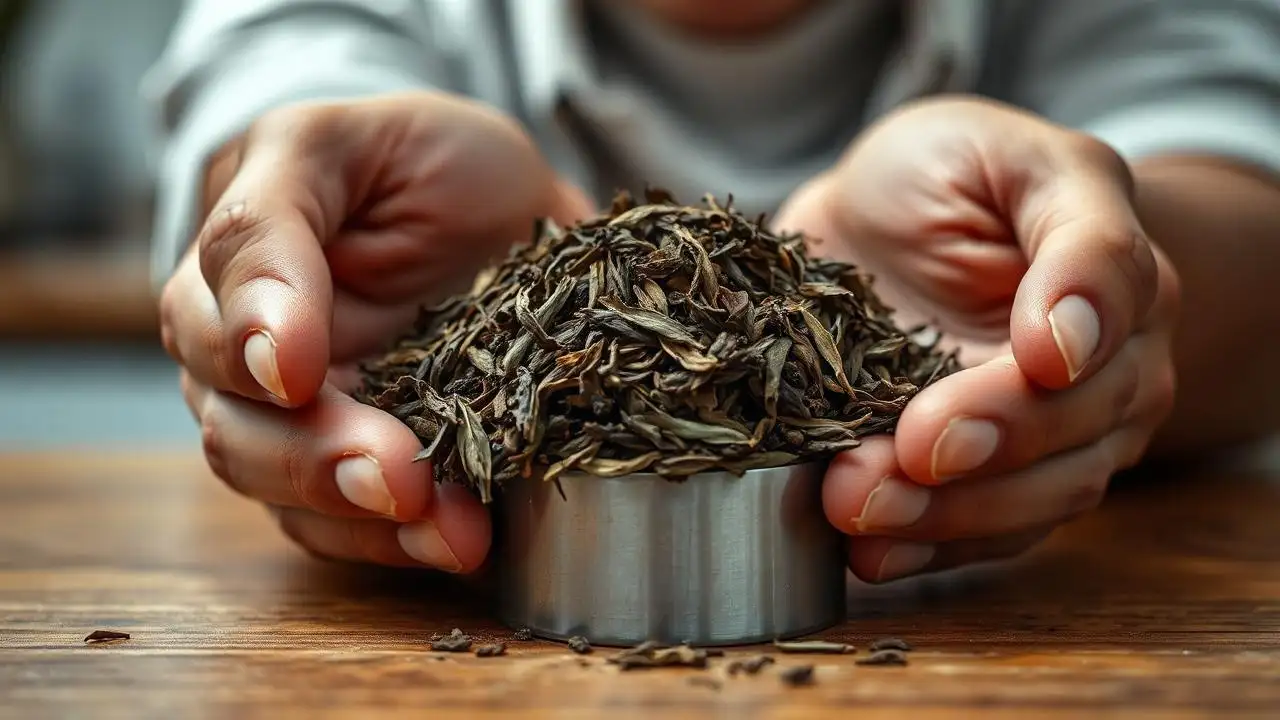
Adulteration not only misleads consumers but can also carry health risks, especially if contaminants accumulate over time.
Hold a clean magnet and move it slowly over the tea leaves. Do not press the magnet into the leaves but let it hover close.
Watch for any particles that jump and cling to the magnet.
This test only detects magnetic contaminants and cannot reveal artificial dyes or reused tea leaves.
This test works best in bright light and with plain paper, where colour changes can be easily noticed.
If you suspect serious adulteration after testing, it is best not to consume that tea and to report the issue through official food safety channels. Complaints can prompt inspections and penalties for repeat offenders.
Look Beyond Colour: Very dark or unnaturally uniform tea leaves are not always better. Aroma and freshness are more reliable quality indicators.
Be Cautious with Very Low Prices: Exceptionally cheap tea often means compromised quality. High-quality tea involves careful processing, which should reflect in the price.
Store Tea Properly: Keep tea away from moisture, strong odours, and metal containers that may corrode.
Use Home Tests Occasionally: Especially when buying from unfamiliar sources, these tests can serve as a precaution, not a guarantee.
Being aware of how to spot tea leaves adulteration empowers everyday tea drinkers to make smarter and safer choices. While these at-home tests do not replace professional laboratory analysis, they offer an easy first line of defence when checking the quality of your tea.
Why Tea Leaves Can Get Adulterated
Quality tea leaves are defined by good aroma, natural colour, and sufficient weight. But these characteristics can be manipulated. Some sellers may add artificial colouring to make the brewed tea look rich and dark. Others may mix in foreign particles to increase weight or even reuse old, exhausted leaves after recolouring them. Sometimes metallic contaminants like iron filings are added to mimic the texture of tea leaves. Loose tea sold unpackaged is particularly prone to adulteration because there is less accountability and labelling information.Adulteration not only misleads consumers but can also carry health risks, especially if contaminants accumulate over time.
Magnet Test for Detecting Iron Fillings
One of the easiest ways to spot tea leaves adulteration with iron filings is with a magnet test. Iron filings may be mixed in to make the tea appear heavier or darker.How to Do the Magnet Test
- Spread a small amount of dry tea leaves on a flat plate or sheet of paper.
What It Means
Tea leaves themselves are not magnetic. If small black or grey particles attach to the magnet, it could mean the presence of iron filings or metallic contamination. Because these particles separate easily, they tend to stick to the magnet when it is passed over the leaves.This test only detects magnetic contaminants and cannot reveal artificial dyes or reused tea leaves.
Filter Paper Test for Artificial Colouring
The second test helps detect whether tea leaves have been treated with artificial dyes or colouring agents. This kind of adulteration can make the tea look more appealing but may be harmful.How to Do the Filter Paper Test
- Place a pinch of dry tea leaves on white filter paper, blotting paper, or plain tissue paper.
- Add a few drops of water directly onto the leaves.
- Wait 30 seconds to one minute and then observe the paper.
What to Look For
Natural tea releases colour slowly and usually needs hot water to brew properly. If the paper shows an immediate dark brown or black stain that spreads quickly, it may indicate the presence of added colour. Uneven or patchy staining can also be a sign of artificial colouring or reused leaves.This test works best in bright light and with plain paper, where colour changes can be easily noticed.
What These Home Tests Can and Cannot Do
These simple checks are useful for spotting obvious signs of tea adulteration, but they are not lab-grade analyses. A negative result does not guarantee the tea is completely free of adulterants. Some high-quality teas may release mild colour due to fine dust or natural processing differences. These home tests cannot detect things like pesticide residues, microbial contamination, or more subtle adulteration.If you suspect serious adulteration after testing, it is best not to consume that tea and to report the issue through official food safety channels. Complaints can prompt inspections and penalties for repeat offenders.
Tips for Safer Tea Buying
Simple home tests are helpful, but prevention starts at the point of purchase. Here are some practical tips to reduce the risk of buying adulterated tea:- Choose Packaged Tea: Pick sealed, branded packs with visible FSSAI licence numbers. Avoid loose tea sold from open sacks without labelling.
Next Story