
Protect Your Pet: Common Health Mistakes and How to Avoid Them

Pets quickly become beloved members of the family. Their happiness and well being depend on the care and attention they receive every day. While most pet owners try their best, certain common mistakes can unknowingly affect a pet’s health. Learning about these mistakes and knowing how to avoid them can make a big difference in keeping your furry companion healthy and active.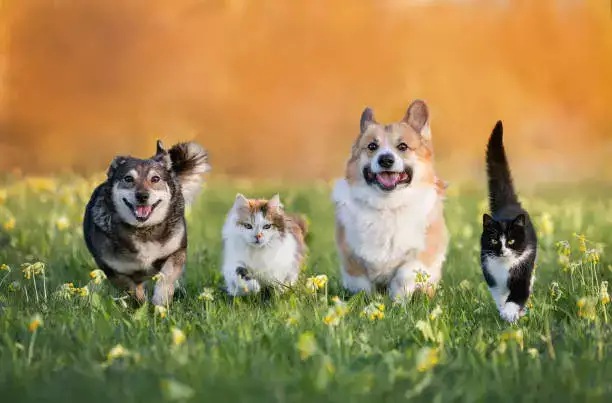
Skipping Regular Vet Checkups
Many pet owners visit a veterinarian only when their pet appears sick. However, regular health checkups are essential for early detection of potential problems. Routine examinations, vaccinations and preventive care help ensure your pet stays protected from diseases and hidden health issues.
How to avoid it: Schedule regular veterinary visits at least once or twice a year depending on your pet’s age and health condition.
Overfeeding and Poor Diet Choices
Overfeeding is one of the most common problems among pets. Too many treats or large portions can lead to obesity, which increases the risk of joint issues, heart problems and other health complications.
How to avoid it: Follow recommended portion sizes, choose nutritious pet food and limit treats. Always provide a balanced diet suited to your pet’s breed, age and activity level.
Ignoring Dental Care
Dental hygiene is often overlooked when it comes to pet care. Poor oral health can cause bad breath, gum disease and infections that may affect other organs in the body.
How to avoid it: Brush your pet’s teeth regularly and provide dental chews or toys designed to support oral health. Regular dental checkups can also help prevent serious issues.
Lack of Exercise
Just like humans, pets need regular physical activity to stay healthy. Without enough exercise, pets may gain excess weight and develop behavioural problems such as anxiety or restlessness.
How to avoid it: Ensure daily playtime and exercise. Dogs benefit from regular walks, while cats enjoy toys, climbing structures and interactive play.
Feeding Harmful Human Foods
Many people like to share their meals with their pets, but certain human foods can be harmful or even toxic to animals. Ingredients such as chocolate, onions, grapes and some artificial sweeteners can cause serious health problems.
How to avoid it: Stick to food specially made for pets and avoid feeding table scraps unless recommended by a veterinarian.
Neglecting Grooming
Grooming is not just about appearance. Regular grooming helps keep your pet’s coat, skin and nails healthy. Neglecting grooming can lead to matted fur, skin infections and discomfort.
How to avoid it: Brush your pet regularly, trim their nails when needed and maintain proper bathing routines suitable for their coat type.
Ignoring Behaviour Changes
Pets often show signs of illness through changes in behaviour. Loss of appetite, unusual tiredness or sudden aggression can indicate that something is wrong.
How to avoid it: Pay close attention to your pet’s habits and behaviour. If you notice unusual changes, consult a veterinarian promptly.
Using Medication Without Veterinary Advice
Giving pets medicines meant for humans or other animals can be dangerous. Some medications that are safe for humans can be toxic to pets.
How to avoid it: Always consult a veterinarian before giving your pet any medication or treatment.
Creating a Healthier Life for Your Pet
Keeping a pet healthy involves more than providing food and shelter. It requires attention, preventive care and understanding their needs. By avoiding these common health mistakes and taking simple preventive steps, you can ensure your pet enjoys a longer, happier and healthier life by your side.
Skipping Regular Vet Checkups
Many pet owners visit a veterinarian only when their pet appears sick. However, regular health checkups are essential for early detection of potential problems. Routine examinations, vaccinations and preventive care help ensure your pet stays protected from diseases and hidden health issues. How to avoid it: Schedule regular veterinary visits at least once or twice a year depending on your pet’s age and health condition.
Overfeeding and Poor Diet Choices
Overfeeding is one of the most common problems among pets. Too many treats or large portions can lead to obesity, which increases the risk of joint issues, heart problems and other health complications. How to avoid it: Follow recommended portion sizes, choose nutritious pet food and limit treats. Always provide a balanced diet suited to your pet’s breed, age and activity level.
Ignoring Dental Care
Dental hygiene is often overlooked when it comes to pet care. Poor oral health can cause bad breath, gum disease and infections that may affect other organs in the body. How to avoid it: Brush your pet’s teeth regularly and provide dental chews or toys designed to support oral health. Regular dental checkups can also help prevent serious issues.
Lack of Exercise
Just like humans, pets need regular physical activity to stay healthy. Without enough exercise, pets may gain excess weight and develop behavioural problems such as anxiety or restlessness. How to avoid it: Ensure daily playtime and exercise. Dogs benefit from regular walks, while cats enjoy toys, climbing structures and interactive play.
You may also like
- Effective Ways to Manage Diabetes Naturally
- Understanding Home Loan Tenure Adjustments: A Guide for Borrowers
- Upcoming ₹2,000 Payment Under PM Kisan Scheme: What Farmers Need to Know
- Thinking of Adjusting Your Home Loan Duration? Important Factors Borrowers Must Evaluate First
- Unlocking the Hidden Value of Old ₹20 Currency Notes
Feeding Harmful Human Foods
Many people like to share their meals with their pets, but certain human foods can be harmful or even toxic to animals. Ingredients such as chocolate, onions, grapes and some artificial sweeteners can cause serious health problems. How to avoid it: Stick to food specially made for pets and avoid feeding table scraps unless recommended by a veterinarian.
Neglecting Grooming
Grooming is not just about appearance. Regular grooming helps keep your pet’s coat, skin and nails healthy. Neglecting grooming can lead to matted fur, skin infections and discomfort. How to avoid it: Brush your pet regularly, trim their nails when needed and maintain proper bathing routines suitable for their coat type.
Ignoring Behaviour Changes
Pets often show signs of illness through changes in behaviour. Loss of appetite, unusual tiredness or sudden aggression can indicate that something is wrong.How to avoid it: Pay close attention to your pet’s habits and behaviour. If you notice unusual changes, consult a veterinarian promptly.
Using Medication Without Veterinary Advice
Giving pets medicines meant for humans or other animals can be dangerous. Some medications that are safe for humans can be toxic to pets. How to avoid it: Always consult a veterinarian before giving your pet any medication or treatment.
Creating a Healthier Life for Your Pet
Keeping a pet healthy involves more than providing food and shelter. It requires attention, preventive care and understanding their needs. By avoiding these common health mistakes and taking simple preventive steps, you can ensure your pet enjoys a longer, happier and healthier life by your side. 





More from our partners


Loving Newspoint? Download the app now
