
Protein Without Meat: Best Vegetarian Options for Every Meal

Protein is a crucial nutrient for building muscles, repairing tissues, and keeping energy levels high. While non-vegetarians get it easily from meat, vegetarians often wonder how to meet their protein needs. The good news? Nature offers plenty of plant-based protein sources that are nutritious and delicious. Here’s a guide to help vegetarians power up their plates.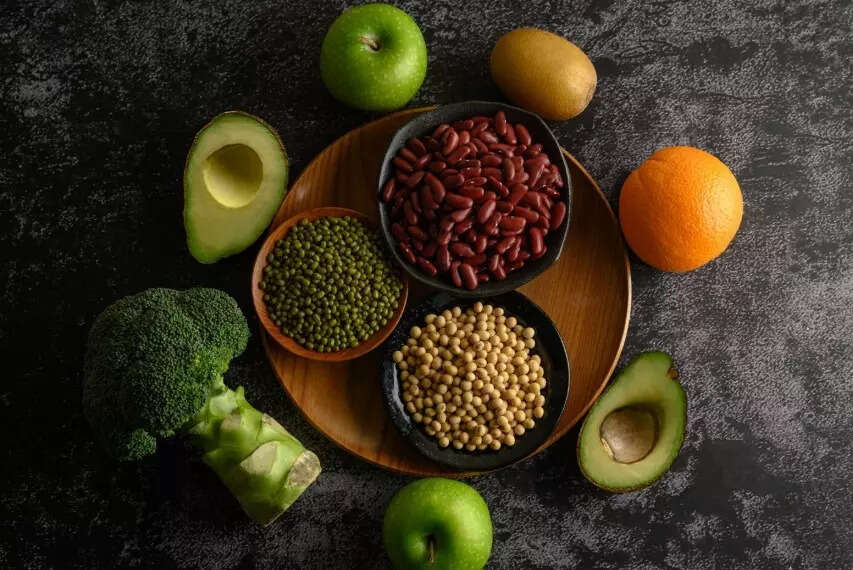
1. Lentils (Dal): Lentils are a staple in vegetarian diets. They are packed with protein, fiber, and essential minerals. One cup of cooked lentils provides about 18 grams of protein. They’re versatile—perfect for soups, stews, or salads.
2. Chickpeas: Chickpeas, or chana, are protein-rich and highly versatile. A cup of cooked chickpeas gives around 15 grams of protein. Use them in curries, salads, or even roast them for a crunchy snack.
3. Paneer (Cottage Cheese): Paneer is a favorite among vegetarians for its high protein content. Just 100 grams of paneer gives about 18 grams of protein. Add it to curries, grills, or salads for a protein boost.
4. Tofu: Tofu is made from soybeans and is a great alternative to paneer. It’s low in fat but high in protein, 100 grams provides around 8 grams. Tofu absorbs flavors well, making it ideal for stir-fries, curries, and sandwiches.
5. Quinoa: Quinoa is a complete protein, meaning it has all nine essential amino acids. One cup cooked provides about 8 grams of protein. It’s perfect as a salad base, side dish, or breakfast porridge.
6. Greek Yogurt: Greek yogurt is thicker and richer in protein than regular yogurt. A cup contains about 10 grams of protein. Enjoy it as a snack, smoothie, or topping for fruits and cereals.
7. Nuts and Seeds: Almonds, peanuts, chia seeds, flaxseeds, and pumpkin seeds are excellent sources of protein. A small handful can provide 5-7 grams of protein along with healthy fats and fiber.
8. Green Peas: Green peas are not only rich in protein (8 grams per cup) but also full of fiber and vitamins. They are great in soups, curries, or mixed with rice and pasta.
9. Soy Milk: Soy milk is a protein-packed alternative to dairy milk. One cup of soy milk contains around 7 grams of protein. Use it in cereals, smoothies, or just enjoy it on its own.
10. Seitan: Also called wheat meat, seitan is a high-protein vegetarian option with 25 grams per 100 grams. It’s perfect for stir-fries, sandwiches, and protein-packed meals.
Tip for Vegetarians: Combine different protein sources throughout the day to ensure you get all essential amino acids. For example, rice and lentils together make a complete protein.
With these foods, vegetarians can enjoy a protein-rich diet without compromising on taste or nutrition. A little planning can help you stay strong, energized, and healthy, plant power style!
1. Lentils (Dal): Lentils are a staple in vegetarian diets. They are packed with protein, fiber, and essential minerals. One cup of cooked lentils provides about 18 grams of protein. They’re versatile—perfect for soups, stews, or salads.
2. Chickpeas: Chickpeas, or chana, are protein-rich and highly versatile. A cup of cooked chickpeas gives around 15 grams of protein. Use them in curries, salads, or even roast them for a crunchy snack.
3. Paneer (Cottage Cheese): Paneer is a favorite among vegetarians for its high protein content. Just 100 grams of paneer gives about 18 grams of protein. Add it to curries, grills, or salads for a protein boost.
4. Tofu: Tofu is made from soybeans and is a great alternative to paneer. It’s low in fat but high in protein, 100 grams provides around 8 grams. Tofu absorbs flavors well, making it ideal for stir-fries, curries, and sandwiches.
5. Quinoa: Quinoa is a complete protein, meaning it has all nine essential amino acids. One cup cooked provides about 8 grams of protein. It’s perfect as a salad base, side dish, or breakfast porridge.
6. Greek Yogurt: Greek yogurt is thicker and richer in protein than regular yogurt. A cup contains about 10 grams of protein. Enjoy it as a snack, smoothie, or topping for fruits and cereals.
7. Nuts and Seeds: Almonds, peanuts, chia seeds, flaxseeds, and pumpkin seeds are excellent sources of protein. A small handful can provide 5-7 grams of protein along with healthy fats and fiber.
8. Green Peas: Green peas are not only rich in protein (8 grams per cup) but also full of fiber and vitamins. They are great in soups, curries, or mixed with rice and pasta.
9. Soy Milk: Soy milk is a protein-packed alternative to dairy milk. One cup of soy milk contains around 7 grams of protein. Use it in cereals, smoothies, or just enjoy it on its own.
10. Seitan: Also called wheat meat, seitan is a high-protein vegetarian option with 25 grams per 100 grams. It’s perfect for stir-fries, sandwiches, and protein-packed meals.
Tip for Vegetarians: Combine different protein sources throughout the day to ensure you get all essential amino acids. For example, rice and lentils together make a complete protein.
With these foods, vegetarians can enjoy a protein-rich diet without compromising on taste or nutrition. A little planning can help you stay strong, energized, and healthy, plant power style!
Next Story