
Rajasthan Wildlife: 9 Species That Make It Special

Rajasthan, known for its golden deserts, grand forts, and royal heritage, is also home to a surprising array of wildlife. Its diverse landscapes from the arid Thar Desert to the Aravalli hills, dry forests, and wetlands host species that are rare, endemic, or specially adapted to survive harsh conditions. Here are nine remarkable creatures that set Rajasthan apart from the rest.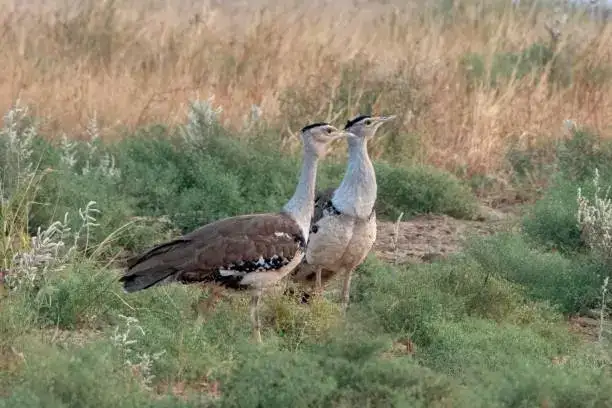
1. Great Indian Bustard
The Great Indian Bustard is one of the heaviest flying birds in the world and critically endangered, with fewer than 150 left. Rajasthan’s Desert National Park near Jaisalmer serves as its last stronghold in India. As a flagship species, it plays a vital role in maintaining the fragile desert ecosystem.
2. Indian Spiny-Tailed Lizard
This herbivorous lizard, sporting a distinctive spiky tail, is a rare vegetarian reptile found in the Thar Desert. Feeding on grasses and succulents, it showcases incredible adaptation to Rajasthan’s extreme arid conditions.
3. Chinkara
Also called the Indian gazelle, the Chinkara thrives in arid regions, surviving long stretches without water. Drawing moisture from sparse desert vegetation, it represents resilience and agility amidst Rajasthan’s dry landscapes.
4. Caracal
A medium-sized wild cat with tufted ears and a sleek body, the caracal is elusive and rare. It inhabits semi-arid zones like Ranthambore and Sariska, where scrubland and desert ecosystems intersect.
5. Asiatic Wildcat
Often mistaken for a domestic cat, the Asiatic wildcat is a sandy-colored desert survivor. Camouflaged against dunes, it hunts rodents and birds, perfectly adapted to Rajasthan’s harsh terrains.
6. Demoiselle Crane
These graceful migratory birds travel from Central Asia to Khichan village in Rajasthan every winter. Their synchronized courtship dance, combined with local feeding traditions, creates a spectacular sight unique to the region.
7. Blackbuck
Rajasthan’s grasslands, especially Tal Chhapar Sanctuary, host thriving populations of blackbuck. Revered by the Bishnoi community, this elegant antelope adds both ecological and cultural value to the state.
8. Indian Wolf
Smaller and leaner than their northern relatives, Indian wolves roam Rajasthan’s scrublands and semi-arid zones. Found in areas like Kumbhalgarh Wildlife Sanctuary, they are adapted to open landscapes rather than dense forests.
9. Desert Fox
The desert fox epitomizes survival in extreme heat. With sandy fur and nocturnal habits, it thrives in the Thar Desert, reflecting Rajasthan’s unique ability to sustain wildlife in some of the harshest climates on Earth.
Rajasthan’s wildlife is a testament to nature’s resilience. These species not only enrich the state’s biodiversity but also highlight the delicate balance of ecosystems in deserts, hills, and grasslands. Protecting them ensures that Rajasthan’s wild heritage continues to thrive for generations to come.
1. Great Indian Bustard
The Great Indian Bustard is one of the heaviest flying birds in the world and critically endangered, with fewer than 150 left. Rajasthan’s Desert National Park near Jaisalmer serves as its last stronghold in India. As a flagship species, it plays a vital role in maintaining the fragile desert ecosystem. 2. Indian Spiny-Tailed Lizard
This herbivorous lizard, sporting a distinctive spiky tail, is a rare vegetarian reptile found in the Thar Desert. Feeding on grasses and succulents, it showcases incredible adaptation to Rajasthan’s extreme arid conditions.3. Chinkara
Also called the Indian gazelle, the Chinkara thrives in arid regions, surviving long stretches without water. Drawing moisture from sparse desert vegetation, it represents resilience and agility amidst Rajasthan’s dry landscapes. 4. Caracal
A medium-sized wild cat with tufted ears and a sleek body, the caracal is elusive and rare. It inhabits semi-arid zones like Ranthambore and Sariska, where scrubland and desert ecosystems intersect.You may also like
- Can weight loss reverse early heart damage? A cardiologist explains the 5-10% rule
- 'I found a flattering Roman dress shoppers say stylishly 'hides legs, arms and stomach'
- Heart Surgeon Shares 4 Habits He Quit for Heart Health
- 8th Pay Commission: Not 2.28 or 2.86, certainly not 3.25 times... Central employees' fitment factor could be 1.92! How much will their salaries increase?
- एक अनोखा घरेलू नुस्खा जो आपको बीमारियों से बचाएगा
5. Asiatic Wildcat
Often mistaken for a domestic cat, the Asiatic wildcat is a sandy-colored desert survivor. Camouflaged against dunes, it hunts rodents and birds, perfectly adapted to Rajasthan’s harsh terrains. 6. Demoiselle Crane
These graceful migratory birds travel from Central Asia to Khichan village in Rajasthan every winter. Their synchronized courtship dance, combined with local feeding traditions, creates a spectacular sight unique to the region. 7. Blackbuck
Rajasthan’s grasslands, especially Tal Chhapar Sanctuary, host thriving populations of blackbuck. Revered by the Bishnoi community, this elegant antelope adds both ecological and cultural value to the state. 8. Indian Wolf
Smaller and leaner than their northern relatives, Indian wolves roam Rajasthan’s scrublands and semi-arid zones. Found in areas like Kumbhalgarh Wildlife Sanctuary, they are adapted to open landscapes rather than dense forests.9. Desert Fox
The desert fox epitomizes survival in extreme heat. With sandy fur and nocturnal habits, it thrives in the Thar Desert, reflecting Rajasthan’s unique ability to sustain wildlife in some of the harshest climates on Earth. Rajasthan’s wildlife is a testament to nature’s resilience. These species not only enrich the state’s biodiversity but also highlight the delicate balance of ecosystems in deserts, hills, and grasslands. Protecting them ensures that Rajasthan’s wild heritage continues to thrive for generations to come.






More from our partners


Loving Newspoint? Download the app now
