
Raw vs Ripe Mangoes: Which One Should You Eat for Better Health?

Mangoes: India’s Favourite Summer Superfruit
Mangoes, often called the “king of fruits,” are a beloved part of Indian summers. From tangy chutneys to sweet desserts, they are enjoyed in multiple forms across the country. However, when it comes to health, the debate between raw (green) mangoes and ripe (yellow or orange) mangoes often leaves people confused. The truth is, both varieties offer distinct nutritional benefits. Rather than one being better than the other, each serves a different purpose in supporting overall health.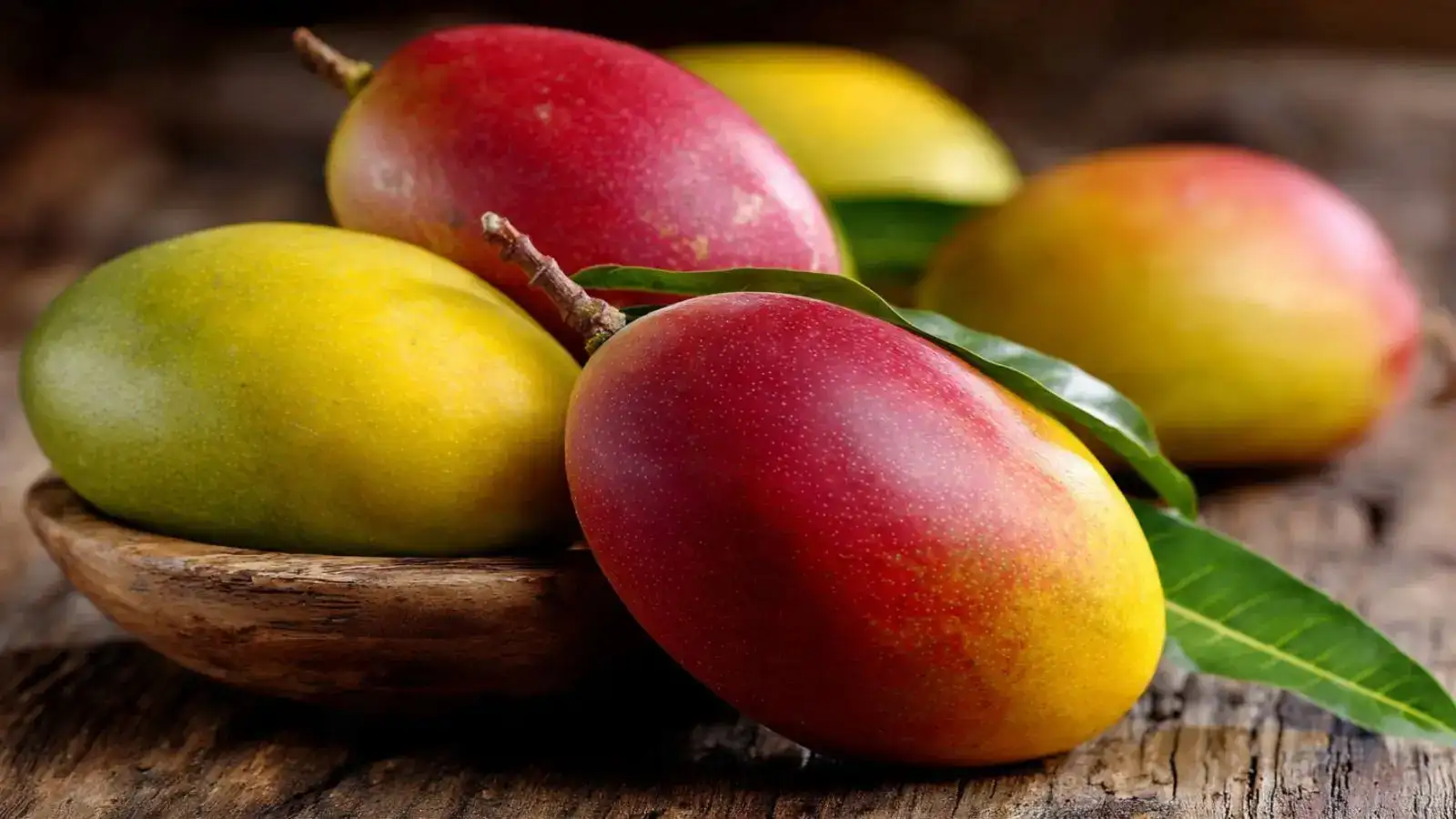
Raw Mangoes: A Tangy Boost for Immunity and Digestion
Raw mangoes are harvested before they ripen and are known for their sour, refreshing taste. One of their key nutritional highlights is their high vitamin C content, which plays a crucial role in strengthening the immune system. Vitamin C also supports collagen production, which is essential for maintaining healthy skin, hair, and connective tissues.
In addition to this, raw mangoes contain compounds that stimulate the secretion of digestive enzymes. This can help improve digestion, especially during summer when digestive issues are more common due to heat and dehydration. Their natural acidity can also help balance stomach functions when consumed in moderation.
Why Raw Mangoes Are Ideal for Summer
Raw mangoes are especially popular during peak summer months because of their cooling and hydrating properties. Traditional drinks like aam panna, made from raw mango pulp, are not only refreshing but also known to help prevent heatstroke. These drinks replenish electrolytes lost through sweat and help maintain hydration levels.
Raw mangoes are a good source of essential minerals like potassium and magnesium, which are vital for maintaining fluid balance in the body. Their ability to combat excessive heat and fatigue makes them a practical dietary addition during hot weather. However, it’s important to avoid excessive salt or sugar while preparing raw mango dishes to retain their health benefits.
Ripe Mangoes: A Sweet Source of Energy and Nutrients
Ripe mangoes, with their natural sweetness and juicy texture, are rich in essential nutrients that provide quick energy. They are particularly high in vitamin A, which is important for maintaining good vision, supporting immune function, and promoting skin health. The vibrant orange color of ripe mangoes comes from beta-carotene, a powerful antioxidant that helps protect the body from oxidative stress.
These antioxidants may play a role in reducing the risk of certain chronic conditions by neutralizing harmful free radicals in the body. Ripe mangoes also contain small amounts of other vitamins and minerals, making them a nutrient-dense fruit when consumed in moderation.
Fiber and Energy Benefits of Ripe Mangoes
Another major benefit of ripe mangoes is their dietary fiber content. Fiber supports gut health, aids digestion, and helps regulate bowel movements. This makes ripe mangoes beneficial for individuals dealing with mild constipation or irregular digestion.
The natural sugars present in ripe mangoes, primarily fructose, provide an instant energy boost. This makes them a great snack option for quick nourishment, especially for those with active lifestyles. However, due to their sugar content, portion control is important, particularly for people managing blood sugar levels or trying to lose weight.
Raw vs Ripe Mangoes: Understanding the Key Differences
When comparing the two, raw mangoes are generally lower in sugar and calories, making them a better option for those who are watching their calorie intake or managing diabetes. Their tangy flavour also tends to limit overconsumption.
Ripe mangoes, on the other hand, are higher in natural sugars and calories but offer a broader range of vitamins, particularly vitamin A. They are also more palatable and easier to incorporate into a variety of meals and snacks, from smoothies to desserts.
Does the Way You Eat Mangoes Matter?
Yes, the way mangoes are consumed can significantly impact their health benefits. Raw mangoes are often eaten with salt, spices, or sugar, which can increase sodium or calorie intake. Similarly, ripe mangoes are frequently used in desserts, shakes, or packaged products that may contain added sugars and fats.
To maximize their nutritional value, it is best to consume both raw and ripe mangoes in their simplest forms. Fresh slices, homemade drinks with minimal additives, and controlled portions can help you enjoy their benefits without unnecessary extras.
Which One Should You Choose?
From a nutritional perspective, neither raw nor ripe mangoes are inherently superior. Instead, they complement each other. Raw mangoes are ideal for improving digestion, boosting hydration, and managing heat during summer. Ripe mangoes are excellent for providing energy, supporting eye health, and satisfying sweet cravings in a more natural way.
For most people, including both types in the diet, while maintaining moderation, is the best approach. The choice ultimately depends on your health goals, taste preferences, and seasonal needs.
A Balanced Approach to Enjoying Mangoes
In the end, the real takeaway isn’t about choosing one over the other. It’s about understanding how both raw and ripe mangoes can fit into a balanced diet. By making mindful choices and paying attention to portion sizes, you can enjoy the full range of benefits this versatile fruit has to offer throughout the summer season.
Mangoes, often called the “king of fruits,” are a beloved part of Indian summers. From tangy chutneys to sweet desserts, they are enjoyed in multiple forms across the country. However, when it comes to health, the debate between raw (green) mangoes and ripe (yellow or orange) mangoes often leaves people confused. The truth is, both varieties offer distinct nutritional benefits. Rather than one being better than the other, each serves a different purpose in supporting overall health.
Raw Mangoes: A Tangy Boost for Immunity and Digestion
Raw mangoes are harvested before they ripen and are known for their sour, refreshing taste. One of their key nutritional highlights is their high vitamin C content, which plays a crucial role in strengthening the immune system. Vitamin C also supports collagen production, which is essential for maintaining healthy skin, hair, and connective tissues.
In addition to this, raw mangoes contain compounds that stimulate the secretion of digestive enzymes. This can help improve digestion, especially during summer when digestive issues are more common due to heat and dehydration. Their natural acidity can also help balance stomach functions when consumed in moderation.
Why Raw Mangoes Are Ideal for Summer
Raw mangoes are especially popular during peak summer months because of their cooling and hydrating properties. Traditional drinks like aam panna, made from raw mango pulp, are not only refreshing but also known to help prevent heatstroke. These drinks replenish electrolytes lost through sweat and help maintain hydration levels.
Raw mangoes are a good source of essential minerals like potassium and magnesium, which are vital for maintaining fluid balance in the body. Their ability to combat excessive heat and fatigue makes them a practical dietary addition during hot weather. However, it’s important to avoid excessive salt or sugar while preparing raw mango dishes to retain their health benefits.
Ripe Mangoes: A Sweet Source of Energy and Nutrients
Ripe mangoes, with their natural sweetness and juicy texture, are rich in essential nutrients that provide quick energy. They are particularly high in vitamin A, which is important for maintaining good vision, supporting immune function, and promoting skin health. The vibrant orange color of ripe mangoes comes from beta-carotene, a powerful antioxidant that helps protect the body from oxidative stress.
These antioxidants may play a role in reducing the risk of certain chronic conditions by neutralizing harmful free radicals in the body. Ripe mangoes also contain small amounts of other vitamins and minerals, making them a nutrient-dense fruit when consumed in moderation.
Fiber and Energy Benefits of Ripe Mangoes
Another major benefit of ripe mangoes is their dietary fiber content. Fiber supports gut health, aids digestion, and helps regulate bowel movements. This makes ripe mangoes beneficial for individuals dealing with mild constipation or irregular digestion.
The natural sugars present in ripe mangoes, primarily fructose, provide an instant energy boost. This makes them a great snack option for quick nourishment, especially for those with active lifestyles. However, due to their sugar content, portion control is important, particularly for people managing blood sugar levels or trying to lose weight.
You may also like
- 4 Must-Visit Hanuman Temples in India Over 500 Years Old
- Has your refrigerator caused your electricity bill to soar? Don't worry; these 6 simple steps will save you a lot of money
- Unexpected Police Intervention Disrupts Wedding Celebration
- The Power of Kindness: A Tale of a King and a Snake
- The Incredible Benefits of Water Caltrop: A Nutritional Powerhouse
Raw vs Ripe Mangoes: Understanding the Key Differences
When comparing the two, raw mangoes are generally lower in sugar and calories, making them a better option for those who are watching their calorie intake or managing diabetes. Their tangy flavour also tends to limit overconsumption.
Ripe mangoes, on the other hand, are higher in natural sugars and calories but offer a broader range of vitamins, particularly vitamin A. They are also more palatable and easier to incorporate into a variety of meals and snacks, from smoothies to desserts.
Does the Way You Eat Mangoes Matter?
Yes, the way mangoes are consumed can significantly impact their health benefits. Raw mangoes are often eaten with salt, spices, or sugar, which can increase sodium or calorie intake. Similarly, ripe mangoes are frequently used in desserts, shakes, or packaged products that may contain added sugars and fats.
To maximize their nutritional value, it is best to consume both raw and ripe mangoes in their simplest forms. Fresh slices, homemade drinks with minimal additives, and controlled portions can help you enjoy their benefits without unnecessary extras.
Which One Should You Choose?
From a nutritional perspective, neither raw nor ripe mangoes are inherently superior. Instead, they complement each other. Raw mangoes are ideal for improving digestion, boosting hydration, and managing heat during summer. Ripe mangoes are excellent for providing energy, supporting eye health, and satisfying sweet cravings in a more natural way.
For most people, including both types in the diet, while maintaining moderation, is the best approach. The choice ultimately depends on your health goals, taste preferences, and seasonal needs.
A Balanced Approach to Enjoying Mangoes
In the end, the real takeaway isn’t about choosing one over the other. It’s about understanding how both raw and ripe mangoes can fit into a balanced diet. By making mindful choices and paying attention to portion sizes, you can enjoy the full range of benefits this versatile fruit has to offer throughout the summer season.






More from our partners


Loving Newspoint? Download the app now
