
Real vs Fake Saffron: Easy Ways to Spot the Difference

Saffron is one of the world’s most prized spices, known for its rich colour, distinct aroma and health benefits. Because it is expensive and harvested by hand, saffron is often adulterated or replaced with cheaper alternatives. Many buyers unknowingly end up with fake or low-quality saffron. Knowing how to identify real saffron can help you avoid being cheated and ensure you get the true value of this precious spice.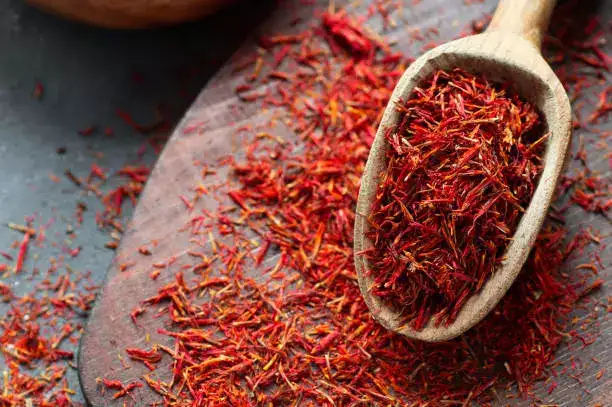
Spotting the difference between real and fake saffron is easier than it seems. Simple tests like checking colour release, aroma, shape and taste can help you identify pure saffron with confidence. A little awareness goes a long way in ensuring you enjoy the true flavour, colour and benefits of this valuable spice.
Check the Shape and Appearance
Real saffron strands are thin, thread-like and slightly curved, with a trumpet-shaped end. Their colour is deep red with a slightly lighter or orange tip. Fake saffron often looks flat, too uniform, overly bright red or may have blunt ends, indicating dyed fibres or plant materials.Observe Colour Release in Water or Milk
Put a few strands of saffron in warm water or milk. Real saffron releases colour slowly, turning the liquid golden yellow over 10–15 minutes, while the strands remain mostly intact. Fake saffron releases colour instantly, often turning the liquid red or dark orange, and the strands may lose colour quickly.Smell the Aroma Carefully
Pure saffron has a strong but natural aroma that is slightly sweet, earthy and honey-like. Fake saffron may have a chemical smell, artificial fragrance or no noticeable aroma at all. A natural, pleasant scent is a key sign of authenticity.Taste Test (Optional and Cautious)
Chew a single strand gently. Real saffron tastes slightly bitter, never sweet. If the strand tastes sweet or flavourless, it is likely fake or adulterated.Rub Between Fingers
When rubbed between your fingers, real saffron does not crumble easily and does not leave a red stain on the skin. Fake saffron may break apart quickly or leave coloured stains due to artificial dyes.Burn Test
Burn a small saffron strand carefully. Real saffron burns slowly and produces a pleasant aroma, leaving light ash. Fake saffron may spark, melt or release a plastic or chemical smell, indicating synthetic material.Be Careful with Price and Packaging
Pure saffron is expensive because it takes thousands of flowers to produce a small quantity. If saffron is sold at a very low price, it is likely fake or mixed. Always buy from trusted sellers and check for proper packaging, origin details and quality labels.Avoid Powdered Saffron
Powdered saffron is easier to adulterate with food colour, turmeric or other fillers. Whole strands are safer to buy, as they allow you to check shape, aroma and colour release.Spotting the difference between real and fake saffron is easier than it seems. Simple tests like checking colour release, aroma, shape and taste can help you identify pure saffron with confidence. A little awareness goes a long way in ensuring you enjoy the true flavour, colour and benefits of this valuable spice.
Next Story