
Reclaiming Your Vitality: The Ultimate Guide to Purifying Your Blood Naturally and Safely

The human body is an incredible machine, equipped with its own highly sophisticated waste-management systems. When we talk about how to detoxify your blood , it is vital to acknowledge the role of the liver, kidneys, and lymphatic system. These organs work tirelessly to filter out metabolic waste, environmental toxins, and undigested nutrients. Unlike the marketing claims of 'miracle' detox teas, true detoxification is a continuous physiological process. However, modern lifestyles—filled with processed sugars, pollutants, and sedentary habits—can place an undue burden on these organs. By adopting specific natural strategies, we can optimise these pathways and ensure our blood remains a clean, efficient carrier of oxygen and nutrients.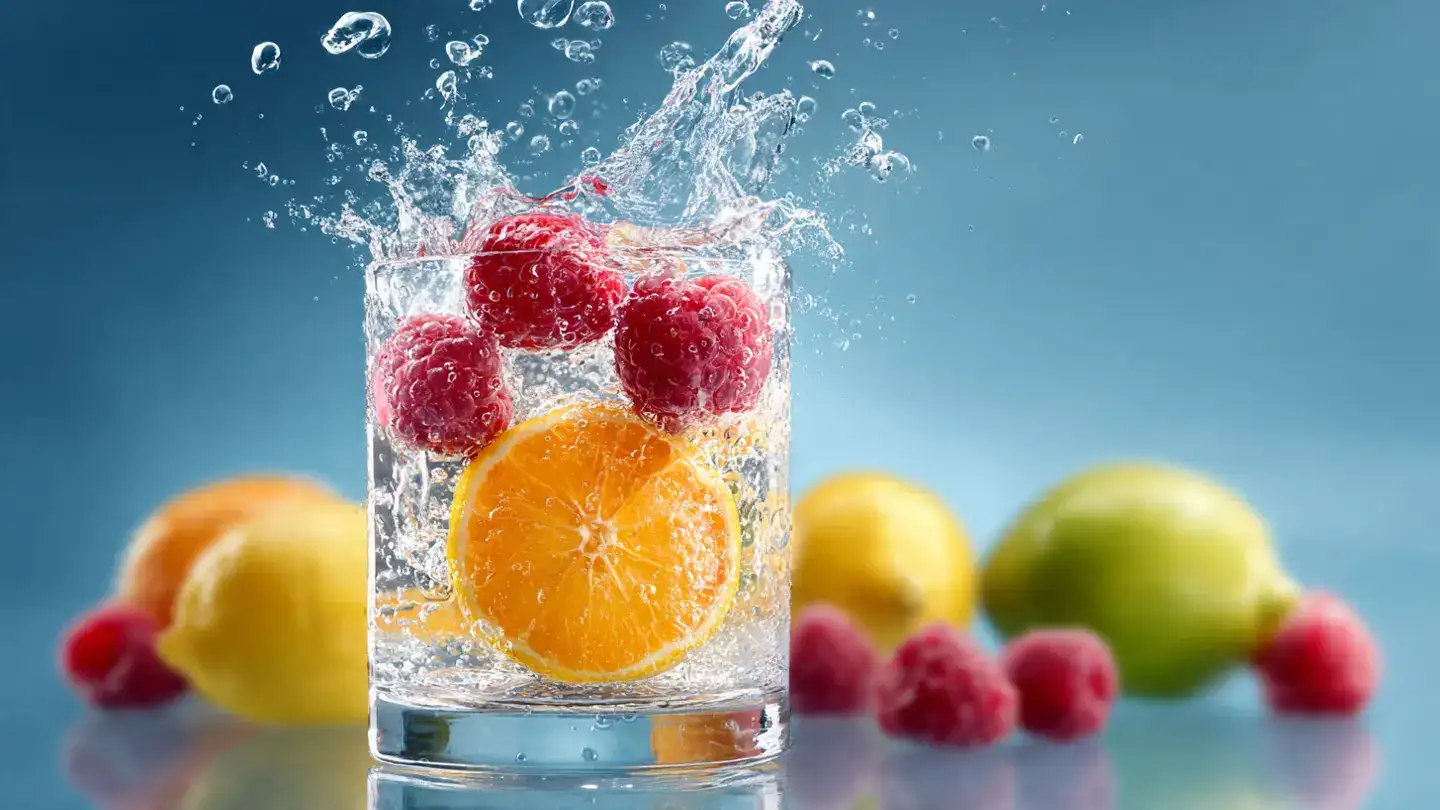
Image Courtesy: Meta AI
The Foundation of Hydration and Kidney Function
The most fundamental step in any blood-cleansing journey is adequate hydration. Your kidneys act as a sophisticated sieve, filtering approximately 120 to 150 quarts of blood daily to produce urine. Without enough water, these organs cannot effectively flush out toxins like urea and excess salts. Pure, filtered water is the gold standard, but you can enhance its effects by adding a squeeze of fresh lemon. Lemon water provides a mild diuretic effect and a boost of Vitamin C, which supports the vascular lining. Maintaining consistent fluid intake ensures that the blood remains at the correct viscosity, allowing it to flow smoothly through even the smallest capillaries.Supporting the Liver with Targeted Nutrition
The liver is the primary chemical processing plant of the body, responsible for converting toxins into water-soluble substances that can be excreted. Incorporating natural blood purifiers into your diet is an excellent way to support hepatic health. Cruciferous vegetables such as broccoli, kale, and Brussels sprouts contain glucosinolates, which stimulate the liver’s Phase II detoxification enzymes. Similarly, garlic contains sulphur compounds that activate liver enzymes responsible for flushing out toxins. By consistently filling your plate with these nutrient-dense options, you provide the raw materials your liver needs to keep your bloodstream free from harmful accumulations.The Power of Blood-Cleansing Foods and Herbs
Nature provides an array of specific blood-cleansing foods that have been used in traditional medicine for centuries. Beetroot is a standout performer in this category; it is rich in betalains and nitrates, which help protect the liver and improve blood flow by dilating vessels. Another powerful ally is turmeric, which contains curcumin. This active compound has potent anti-inflammatory properties that help reduce oxidative stress within the blood vessels. Herbal teas, particularly those made from dandelion root or burdock root, are also widely respected in holistic circles for their ability to stimulate bile production and support the lymphatic system in moving waste products along.Movement and the Lymphatic System
Unlike the circulatory system, which has the heart to pump blood, the lymphatic system relies on body movement to circulate lymph fluid. This fluid is responsible for carrying waste away from cells and back into the bloodstream for filtration. Engaging in regular physical activity is one of the most effective holistic detoxification methods available. Whether it is a brisk walk in the park, a yoga session, or rebounding on a mini-trampoline, movement encourages the drainage of the 'sewerage system' of the body. When lymph flow is stagnant, your blood can become more 'sluggish' with cellular debris, making exercise a non-negotiable part of internal purity.Reducing the Toxic Load
While adding healthy habits is crucial, it is equally important to reduce the influx of new toxins. The modern environment exposes us to heavy metals, pesticides, and air pollutants that can eventually enter our circulation. Opting for organic produce where possible reduces your exposure to synthetic fertilisers and pesticides. Furthermore, reducing your intake of refined sugars and alcohol is essential. High blood sugar levels can lead to the formation of Advanced Glycation End-products (AGEs), which damage the walls of the blood vessels and impede the detoxification process. By simplifying your diet and choosing whole, unprocessed foods, you allow your body to focus on deep cleaning rather than constant damage control.Restorative Sleep as a Detox Tool
Finally, we must not overlook the importance of rest. During deep sleep, the body undergoes a variety of repair processes. Recent research has even identified the 'glymphatic system,' which specifically cleanses the brain of metabolic waste during the night. While this is distinct from the general bloodstream, the systemic reduction in inflammation during sleep allows the liver and kidneys to function more efficiently the following day. Aiming for seven to nine hours of quality rest ensures that your body has the energy required to maintain its internal filtration systems at peak performance, leaving you feeling revitalised and clear-headed.Image Courtesy: Meta AI
Next Story