
How Smartphone Apps Are Changing the Way We Study Everyday Brain Activity

For a long time, studying brain activity meant being inside a lab, connected to bulky machines, and operating in a controlled environment. But that is now changing rapidly. Thanks to smartphone apps and wearable devices , researchers can study brain activity in real-world settings, making the process more natural and accurate.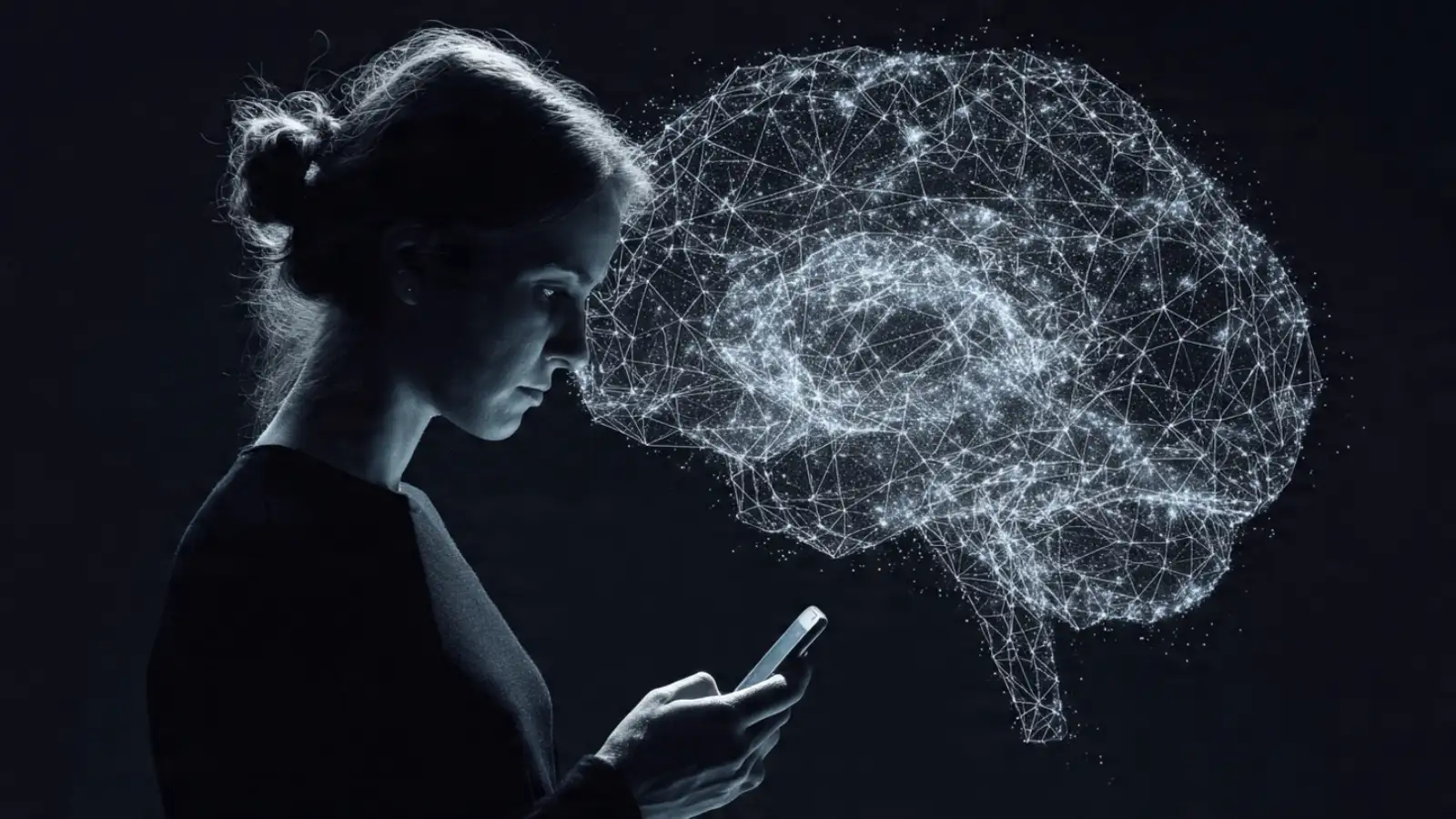
This shift matters because human behavior does not happen in isolation. Our attention, emotions, and focus constantly change depending on where we are and what we are doing. Traditional lab studies often missed this dynamic aspect. Now, with mobile technology and smartphone apps, scientists are getting a clearer picture of how the brain works in everyday life.
Instead of sitting in a lab, people can now go about their daily routines while their brain activity is being monitored. This includes classrooms, homes, offices, and even public spaces. This approach is often referred to as “natural EEG,” where brain activity is studied in real-life situations rather than artificial setups.
This change is helping researchers understand how attention shifts during lectures, how fatigue builds during long workdays, and how our mental state changes throughout the day.
This means researchers can observe how the brain responds in the exact moment something happens. Whether it is stress, focus, or distraction, real-time tracking gives a much deeper and more accurate understanding of brain activity.
This continuous tracking is opening new doors for neuroscience , making studies more detailed and context-based than ever before.
With wearable devices and mobile apps, researchers can now collect data that reflects real-life experiences. This leads to better insights into attention, learning, mental health, and overall brain function.
It also connects closely with the rise of mobile learning, where smartphones have already transformed how people study and interact with information in daily life.
There are also concerns around data privacy and the accuracy of mobile-based brain tracking compared to traditional lab equipment. Even though the technology is improving, maintaining consistency and reliability in real-world conditions remains a challenge.
At the same time, researchers are also studying how smartphone usage itself impacts the brain, including attention, focus, and mental well-being. This creates an interesting cycle where smartphones are both the tool and the subject of study.
This approach not only makes studies more realistic but also opens up possibilities for personalized insights into brain health, learning patterns, and behavior.
In simple terms, the lab is no longer the only place where science happens. With smartphone apps, research is now happening everywhere.
This shift matters because human behavior does not happen in isolation. Our attention, emotions, and focus constantly change depending on where we are and what we are doing. Traditional lab studies often missed this dynamic aspect. Now, with mobile technology and smartphone apps, scientists are getting a clearer picture of how the brain works in everyday life.
From Controlled Labs to Real-Life Environments
One of the biggest breakthroughs in brain research is the ability to record brain signals outside laboratories. Advances in wearable EEG devices and smartphone apps are making this possible.Instead of sitting in a lab, people can now go about their daily routines while their brain activity is being monitored. This includes classrooms, homes, offices, and even public spaces. This approach is often referred to as “natural EEG,” where brain activity is studied in real-life situations rather than artificial setups.
This change is helping researchers understand how attention shifts during lectures, how fatigue builds during long workdays, and how our mental state changes throughout the day.
The Rise of Real-Time Neuromonitoring
Another major development is real-time neuromonitoring. Earlier, brain data was recorded and analyzed later. Now, with smartphone apps and mobile computing, brain signals can be tracked continuously and instantly.This means researchers can observe how the brain responds in the exact moment something happens. Whether it is stress, focus, or distraction, real-time tracking gives a much deeper and more accurate understanding of brain activity.
This continuous tracking is opening new doors for neuroscience , making studies more detailed and context-based than ever before.
Why This Shift Matters
Studying brain activity in natural environments is not just a technological upgrade, it is a fundamental shift in how research is done. Human behavior is complex and constantly changing, and smartphone apps are finally allowing science to keep up with that complexity.With wearable devices and mobile apps, researchers can now collect data that reflects real-life experiences. This leads to better insights into attention, learning, mental health, and overall brain function.
It also connects closely with the rise of mobile learning, where smartphones have already transformed how people study and interact with information in daily life.
Challenges and the Reality Behind the Technology
While smartphone apps and wearable devices are making brain research more accessible, they also come with challenges. One of the biggest concerns is the hiked price of advanced wearable EEG devices and high-quality neuromonitoring tools. This increase in cost can limit access for smaller research teams or institutions.There are also concerns around data privacy and the accuracy of mobile-based brain tracking compared to traditional lab equipment. Even though the technology is improving, maintaining consistency and reliability in real-world conditions remains a challenge.
The Bigger Picture
The use of smartphone apps in studying brain activity is part of a larger trend where technology is becoming deeply integrated into our daily lives. From learning to mental health monitoring, mobile technology is shaping how we understand ourselves.At the same time, researchers are also studying how smartphone usage itself impacts the brain, including attention, focus, and mental well-being. This creates an interesting cycle where smartphones are both the tool and the subject of study.
What the Future Looks Like
As smartphone apps and wearable devices continue to evolve, the way we study brain activity will only become more advanced. Real-time data, natural environments, and continuous monitoring are likely to become the standard in neuroscience research.This approach not only makes studies more realistic but also opens up possibilities for personalized insights into brain health, learning patterns, and behavior.
In simple terms, the lab is no longer the only place where science happens. With smartphone apps, research is now happening everywhere.
Next Story