
Why Urban Indians Are Choosing Slow Living Over Hustle Culture

What Is Slow Living?
Slow living is a lifestyle approach that encourages individuals to be more intentional with their time, energy, and choices. Instead of constantly chasing productivity and speed, it focuses on quality over quantity, whether in work, relationships, or daily routines. In urban India, where long work hours and crowded commutes are the norm, this philosophy is gaining traction as people look for ways to reduce stress and improve overall well-being.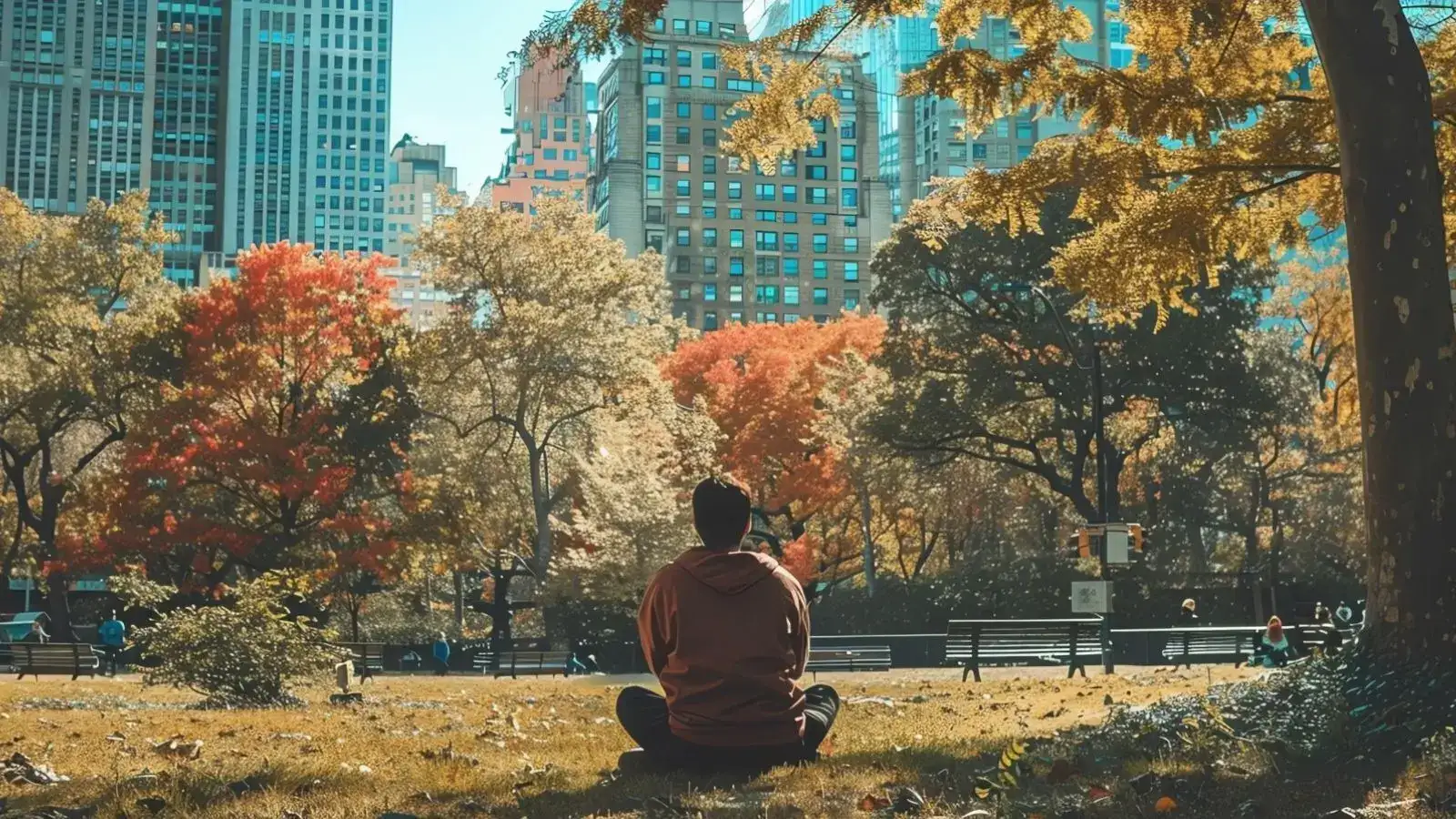
Why Urban India Is Embracing the Shift
The rise of slow living in cities like Delhi, Mumbai, and Bengaluru is closely linked to increasing awareness of mental health and burnout. According to multiple workplace and wellness surveys in recent years, a significant number of urban professionals report stress, fatigue, and difficulty maintaining work-life balance.
As offices reopened, many individuals chose not to return to the same hectic routines. Flexible work arrangements, hybrid jobs, and a growing gig economy have made it easier to adopt a slower, more balanced lifestyle.
Digital Detox and Mindful Consumption
One of the most visible aspects of slow living is digital minimalism. Urban Indians are increasingly cutting down on screen time, turning off non-essential notifications, and setting boundaries with social media. This shift is not just about reducing distractions but also about reclaiming time for meaningful activities such as reading, exercising, or spending time with family.
Mindful consumption is another key element. From choosing sustainable fashion to supporting local businesses, consumers are becoming more conscious of their impact. Minimalist wardrobes, eco-friendly products, and decluttered living spaces are becoming popular choices among city dwellers.
Wellness and Everyday Rituals
Slow living places a strong emphasis on physical and mental well-being. Practices like yoga, meditation, and journaling are becoming part of daily routines rather than occasional activities. Morning walks, home-cooked meals, and hobbies such as gardening or painting are being rediscovered as ways to relax and recharge.
Importantly, this lifestyle does not require drastic changes. Even small habits, like taking breaks during work, eating without distractions, or maintaining a consistent sleep schedule, can contribute to a slower, more mindful way of living.
The Role of Urban Spaces and Communities
Cities are also adapting to support this shift. The rise of co-working spaces, wellness studios, and community-driven events reflects a demand for environments that encourage balance and connection. Weekend farmers’ markets, art workshops, and wellness retreats are gaining popularity as people seek experiences that align with slow living values.
Additionally, cafés and public spaces designed for relaxation rather than rush are becoming cultural hubs for this movement. These spaces allow individuals to disconnect from the chaos of city life, even if only for a few hours.
Challenges and Misconceptions
Despite its growing popularity, slow living is often misunderstood as laziness or lack of ambition. In reality, it is about prioritizing what truly matters rather than doing less. Another challenge is accessibility, busy schedules, financial pressures, and urban constraints can make it difficult for everyone to fully adopt this lifestyle.
However, experts emphasize that slow living is flexible and personal. It does not demand a complete lifestyle overhaul but encourages gradual, sustainable changes.
A Cultural Shift in the Making
The rise of slow living in urban India reflects a broader cultural shift toward balance, sustainability, and well-being. As more people recognize the cost of constant hustle, they are redefining success, not just in terms of achievements, but also in terms of peace of mind and quality of life.
While the fast pace of city life is unlikely to disappear, the growing adoption of slow living suggests that many are learning to navigate it differently. By making conscious choices and embracing mindful habits, urban Indians are carving out space for a more fulfilling and sustainable way of life.
Slow living is a lifestyle approach that encourages individuals to be more intentional with their time, energy, and choices. Instead of constantly chasing productivity and speed, it focuses on quality over quantity, whether in work, relationships, or daily routines. In urban India, where long work hours and crowded commutes are the norm, this philosophy is gaining traction as people look for ways to reduce stress and improve overall well-being.
Why Urban India Is Embracing the Shift
The rise of slow living in cities like Delhi, Mumbai, and Bengaluru is closely linked to increasing awareness of mental health and burnout. According to multiple workplace and wellness surveys in recent years, a significant number of urban professionals report stress, fatigue, and difficulty maintaining work-life balance.
As offices reopened, many individuals chose not to return to the same hectic routines. Flexible work arrangements, hybrid jobs, and a growing gig economy have made it easier to adopt a slower, more balanced lifestyle.
Digital Detox and Mindful Consumption
One of the most visible aspects of slow living is digital minimalism. Urban Indians are increasingly cutting down on screen time, turning off non-essential notifications, and setting boundaries with social media. This shift is not just about reducing distractions but also about reclaiming time for meaningful activities such as reading, exercising, or spending time with family.
Mindful consumption is another key element. From choosing sustainable fashion to supporting local businesses, consumers are becoming more conscious of their impact. Minimalist wardrobes, eco-friendly products, and decluttered living spaces are becoming popular choices among city dwellers.
Wellness and Everyday Rituals
Slow living places a strong emphasis on physical and mental well-being. Practices like yoga, meditation, and journaling are becoming part of daily routines rather than occasional activities. Morning walks, home-cooked meals, and hobbies such as gardening or painting are being rediscovered as ways to relax and recharge.
Importantly, this lifestyle does not require drastic changes. Even small habits, like taking breaks during work, eating without distractions, or maintaining a consistent sleep schedule, can contribute to a slower, more mindful way of living.
The Role of Urban Spaces and Communities
Cities are also adapting to support this shift. The rise of co-working spaces, wellness studios, and community-driven events reflects a demand for environments that encourage balance and connection. Weekend farmers’ markets, art workshops, and wellness retreats are gaining popularity as people seek experiences that align with slow living values.
Additionally, cafés and public spaces designed for relaxation rather than rush are becoming cultural hubs for this movement. These spaces allow individuals to disconnect from the chaos of city life, even if only for a few hours.
Challenges and Misconceptions
Despite its growing popularity, slow living is often misunderstood as laziness or lack of ambition. In reality, it is about prioritizing what truly matters rather than doing less. Another challenge is accessibility, busy schedules, financial pressures, and urban constraints can make it difficult for everyone to fully adopt this lifestyle.
However, experts emphasize that slow living is flexible and personal. It does not demand a complete lifestyle overhaul but encourages gradual, sustainable changes.
A Cultural Shift in the Making
The rise of slow living in urban India reflects a broader cultural shift toward balance, sustainability, and well-being. As more people recognize the cost of constant hustle, they are redefining success, not just in terms of achievements, but also in terms of peace of mind and quality of life.
While the fast pace of city life is unlikely to disappear, the growing adoption of slow living suggests that many are learning to navigate it differently. By making conscious choices and embracing mindful habits, urban Indians are carving out space for a more fulfilling and sustainable way of life.
Next Story