
Rock Salt Vs Table Salt: Understanding The Real Differences In Processing, Nutrition And Everyday Health Impact

Salt is a basic ingredient in nearly every kitchen, yet the choice between rock salt and table salt often raises questions. While both are primarily used to enhance flavour, their origin, processing methods and composition create noticeable differences.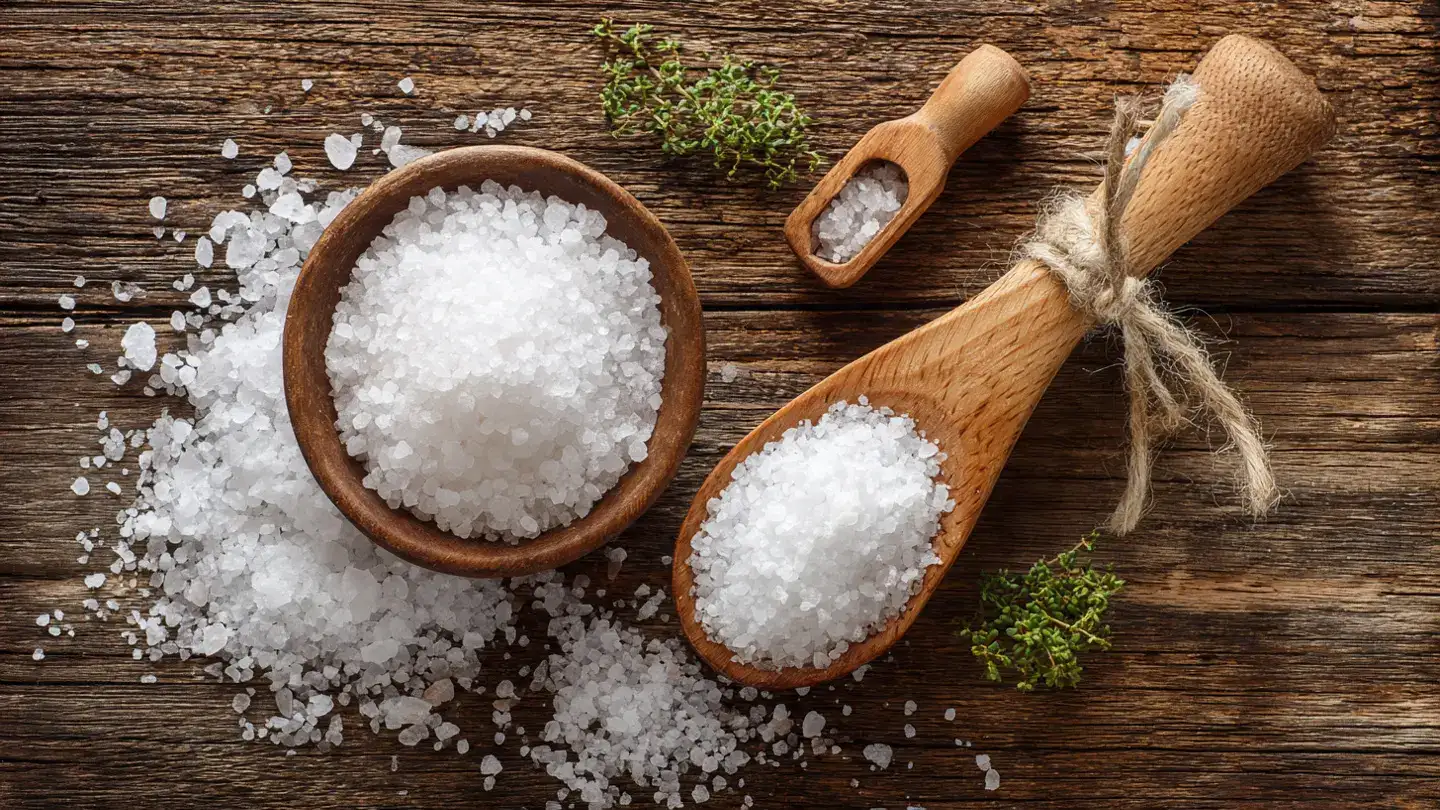
Rock salt is usually sourced from underground deposits and is often considered a more natural option due to minimal processing. Table salt, by contrast, is refined extensively to produce fine, uniform crystals that dissolve easily. This difference forms the basis of the ongoing rock salt vs table salt discussion.
Table salt is purified to remove impurities and unwanted elements. During this process, most trace minerals are eliminated, leaving almost pure sodium chloride. Anti-caking agents are added to prevent clumping, ensuring ease of use in everyday cooking.
In many countries, table salt is also fortified with iodine. This step is important from a public health perspective, as iodine is essential for proper thyroid function.
Rock salt does contain small amounts of minerals such as calcium and magnesium, but these are present in trace quantities and do not significantly contribute to daily nutritional requirements. On the other hand, iodised table salt provides a reliable source of iodine, which is a crucial nutrient often lacking in diets.
This makes refined salt vs natural salt a matter of minor nutritional differences rather than a clear health advantage.
Table salt health effects are sometimes criticised due to its refined nature, but its iodine content offers a clear benefit. Rock salt benefits are often highlighted for being less processed, yet it does not reduce sodium-related risks.
For most people, the key to maintaining health lies in controlling overall salt intake rather than switching entirely from one type to another.
Rock salt, with its coarser texture, is often used in specific culinary applications or as a finishing touch. Its slightly varied texture can enhance certain dishes, but it may not always provide the same consistency as table salt in recipes.
Choosing between the two often depends on cooking style, taste preference and the type of dish being prepared.
A balanced approach works best for most households. Using iodised salt regularly ensures adequate iodine intake, while occasional use of rock salt can add variety in flavour and texture.
Ultimately, the focus should remain on moderation. Regardless of the type, limiting overall salt consumption is the most effective way to support long-term health while still enjoying everyday meals.
Image Courtesy: Meta AI
Rock salt is usually sourced from underground deposits and is often considered a more natural option due to minimal processing. Table salt, by contrast, is refined extensively to produce fine, uniform crystals that dissolve easily. This difference forms the basis of the ongoing rock salt vs table salt discussion.
Processing Methods And Purity Levels
The way salt is processed plays a key role in its final composition. Rock salt is typically mined and undergoes limited refinement, which allows it to retain trace minerals naturally present in the source. These minerals may influence its colour and taste.Table salt is purified to remove impurities and unwanted elements. During this process, most trace minerals are eliminated, leaving almost pure sodium chloride. Anti-caking agents are added to prevent clumping, ensuring ease of use in everyday cooking.
In many countries, table salt is also fortified with iodine. This step is important from a public health perspective, as iodine is essential for proper thyroid function.
Nutritional Comparison And Sodium Content
When it comes to salt nutrition comparison , both rock salt and table salt are largely similar in their core composition. They are predominantly made up of sodium chloride, meaning their impact on sodium intake is nearly identical.Rock salt does contain small amounts of minerals such as calcium and magnesium, but these are present in trace quantities and do not significantly contribute to daily nutritional requirements. On the other hand, iodised table salt provides a reliable source of iodine, which is a crucial nutrient often lacking in diets.
This makes refined salt vs natural salt a matter of minor nutritional differences rather than a clear health advantage.
Health Effects And Daily Intake
The health impact of salt depends far more on how much is consumed than on the type used. High sodium intake, whether from rock salt or table salt, is associated with increased risk of high blood pressure and related health conditions.Table salt health effects are sometimes criticised due to its refined nature, but its iodine content offers a clear benefit. Rock salt benefits are often highlighted for being less processed, yet it does not reduce sodium-related risks.
For most people, the key to maintaining health lies in controlling overall salt intake rather than switching entirely from one type to another.
Taste, Texture And Culinary Use
Rock salt and table salt also differ in how they are used in cooking. Table salt has a fine texture, making it easy to measure and ideal for baking and everyday recipes. It dissolves quickly and blends evenly into dishes.Rock salt, with its coarser texture, is often used in specific culinary applications or as a finishing touch. Its slightly varied texture can enhance certain dishes, but it may not always provide the same consistency as table salt in recipes.
Choosing between the two often depends on cooking style, taste preference and the type of dish being prepared.
Making The Right Choice For Daily Use
The debate around rock salt vs table salt is often influenced by perception rather than clear scientific distinction. While rock salt is less processed and contains trace minerals, table salt offers the advantage of iodine fortification.A balanced approach works best for most households. Using iodised salt regularly ensures adequate iodine intake, while occasional use of rock salt can add variety in flavour and texture.
Ultimately, the focus should remain on moderation. Regardless of the type, limiting overall salt consumption is the most effective way to support long-term health while still enjoying everyday meals.
Image Courtesy: Meta AI
Next Story