
Top 10 Seasonal Fruits And Vegetables For The Winter-To-Summer Transition

As winter fades and summer begins to peek through, it’s the perfect time to embrace seasonal fruits and vegetables that help your body adapt to the changing weather. Seasonal produce is fresher, tastier, and packed with nutrients that are perfectly suited to your body’s needs during this transition. Here's a guide to the best fruits and vegetables to include in your diet: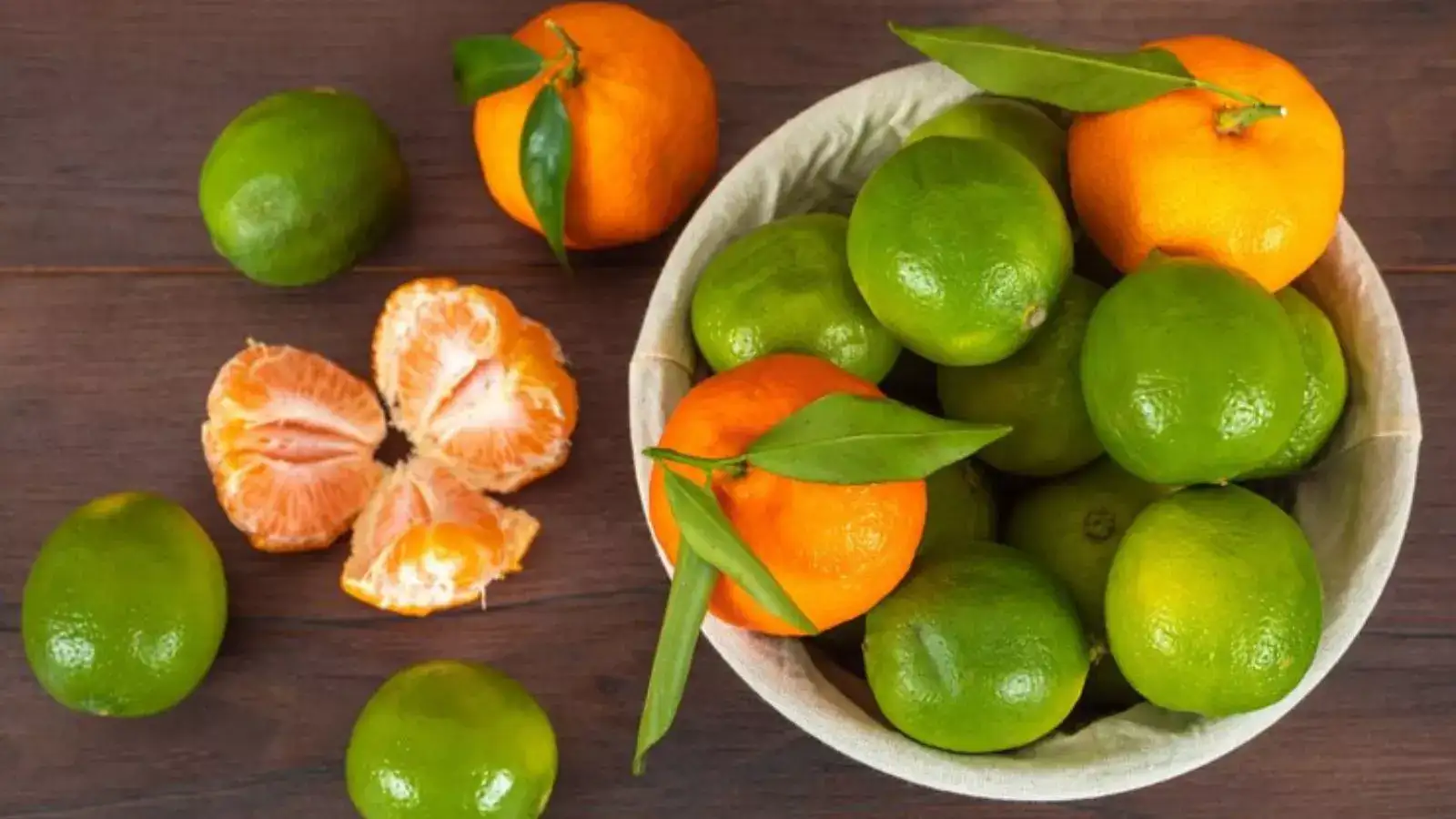
1. Citrus Fruits: Oranges, Lemons, and Grapefruit
These winter favourites carry their benefits into early summer. Rich in vitamin C, they boost immunity and help your body adjust to fluctuating temperatures. Enjoy oranges as a snack, add lemon to water for a refreshing drink, or try a tangy grapefruit salad.
Pro Tip: Pair grapefruit with mint leaves for a cooling, zesty treat.
2. Strawberries
Strawberries begin to thrive as the weather warms. Packed with antioxidants, vitamin C, and hydration benefits, they’re a natural way to curb sweet cravings.
Pro Tip: Add them to yogurt, smoothies, or a fresh salad for a burst of flavor.
3. Spinach and Other Leafy Greens
Spinach, kale, and mustard greens flourish during this period, offering vitamins A, C, and K, as well as iron and fiber. These greens help detoxify the body and improve digestion.
Pro Tip: Sauté spinach with garlic and olive oil for a quick, nutritious side.
4. Carrots
Carrots remain a winter staple that continues to benefit you during this seasonal change. Their high beta-carotene content supports immunity and eye health.
Pro Tip: Dip raw carrot sticks in hummus for a wholesome snack.
5. Cucumbers
Cucumbers, with their high water content, are perfect for staying cool and hydrated as the temperature rises. They also provide potassium and magnesium for a balanced diet.
Pro Tip: Add cucumber slices to your water with a squeeze of lime for a spa-inspired drink.
6. Pineapples
The tropical sweetness of pineapples signals the arrival of summer. Rich in vitamin C and bromelain, they aid digestion and reduce inflammation.
Pro Tip: Grill pineapple slices for a tangy-sweet dessert.
7. Beets
Beets are full of iron, potassium, and folate, making them great for boosting blood health and energy levels. Their natural sweetness makes them ideal for juices or roasted dishes.
Pro Tip: Blend beets with orange juice and ginger for a detoxifying drink.
8. Mangoes
The "king of fruits" makes a grand entrance as summer nears. Loaded with vitamins A and C, mangoes boost immunity and promote glowing skin.
Pro Tip: Make a mango salsa with diced mango, onion, chili, and lime for a tropical twist.
9. Tomatoes
Rich in lycopene, tomatoes are a versatile option that transitions seamlessly from winter to summer. Use them in fresh salads, soups, or sauces.
Pro Tip: Combine tomatoes with basil and olive oil for a refreshing salad.
10. Green Beans
Green beans, at their seasonal best during this period, are low in calories and rich in fiber and nutrients.
Pro Tip: Steam them lightly and toss with sesame seeds for a simple yet flavorful side dish.
Why Seasonal Eating Matters
Eating seasonal fruits and vegetables ensures you get the freshest produce with peak nutritional value. These foods are naturally designed to meet your body’s needs at different times of the year, helping you stay energized and healthy.
By incorporating these seasonal delights into your meals, you’ll not only stay in sync with nature but also enjoy the vibrant flavors and health benefits they bring. Celebrate the winter-to-summer transition with a plate full of color, nutrition, and taste!
1. Citrus Fruits: Oranges, Lemons, and Grapefruit
These winter favourites carry their benefits into early summer. Rich in vitamin C, they boost immunity and help your body adjust to fluctuating temperatures. Enjoy oranges as a snack, add lemon to water for a refreshing drink, or try a tangy grapefruit salad.
Pro Tip: Pair grapefruit with mint leaves for a cooling, zesty treat.
2. Strawberries
Strawberries begin to thrive as the weather warms. Packed with antioxidants, vitamin C, and hydration benefits, they’re a natural way to curb sweet cravings.
Pro Tip: Add them to yogurt, smoothies, or a fresh salad for a burst of flavor.
3. Spinach and Other Leafy Greens
Spinach, kale, and mustard greens flourish during this period, offering vitamins A, C, and K, as well as iron and fiber. These greens help detoxify the body and improve digestion.
Pro Tip: Sauté spinach with garlic and olive oil for a quick, nutritious side.
4. Carrots
Carrots remain a winter staple that continues to benefit you during this seasonal change. Their high beta-carotene content supports immunity and eye health.
Pro Tip: Dip raw carrot sticks in hummus for a wholesome snack.
5. Cucumbers
Cucumbers, with their high water content, are perfect for staying cool and hydrated as the temperature rises. They also provide potassium and magnesium for a balanced diet.
Pro Tip: Add cucumber slices to your water with a squeeze of lime for a spa-inspired drink.
6. Pineapples
The tropical sweetness of pineapples signals the arrival of summer. Rich in vitamin C and bromelain, they aid digestion and reduce inflammation.
Pro Tip: Grill pineapple slices for a tangy-sweet dessert.
7. Beets
Beets are full of iron, potassium, and folate, making them great for boosting blood health and energy levels. Their natural sweetness makes them ideal for juices or roasted dishes.
Pro Tip: Blend beets with orange juice and ginger for a detoxifying drink.
8. Mangoes
The "king of fruits" makes a grand entrance as summer nears. Loaded with vitamins A and C, mangoes boost immunity and promote glowing skin.
Pro Tip: Make a mango salsa with diced mango, onion, chili, and lime for a tropical twist.
9. Tomatoes
Rich in lycopene, tomatoes are a versatile option that transitions seamlessly from winter to summer. Use them in fresh salads, soups, or sauces.
Pro Tip: Combine tomatoes with basil and olive oil for a refreshing salad.
10. Green Beans
Green beans, at their seasonal best during this period, are low in calories and rich in fiber and nutrients.
Pro Tip: Steam them lightly and toss with sesame seeds for a simple yet flavorful side dish.
Why Seasonal Eating Matters
Eating seasonal fruits and vegetables ensures you get the freshest produce with peak nutritional value. These foods are naturally designed to meet your body’s needs at different times of the year, helping you stay energized and healthy.
By incorporating these seasonal delights into your meals, you’ll not only stay in sync with nature but also enjoy the vibrant flavors and health benefits they bring. Celebrate the winter-to-summer transition with a plate full of color, nutrition, and taste!
Next Story