
Who Were the Seven Sisters? The Powerful Oil Companies That Ruled Global Energy

Seven Sisters Meaning: The term “Seven Sisters” refers to seven major oil companies that controlled a vast majority of the world’s oil reserves and production from the 1940s to the 1970s. The phrase was popularized by Italian businessman Enrico Mattei, who used it to describe the dominance and coordinated practices of these Western oil giants.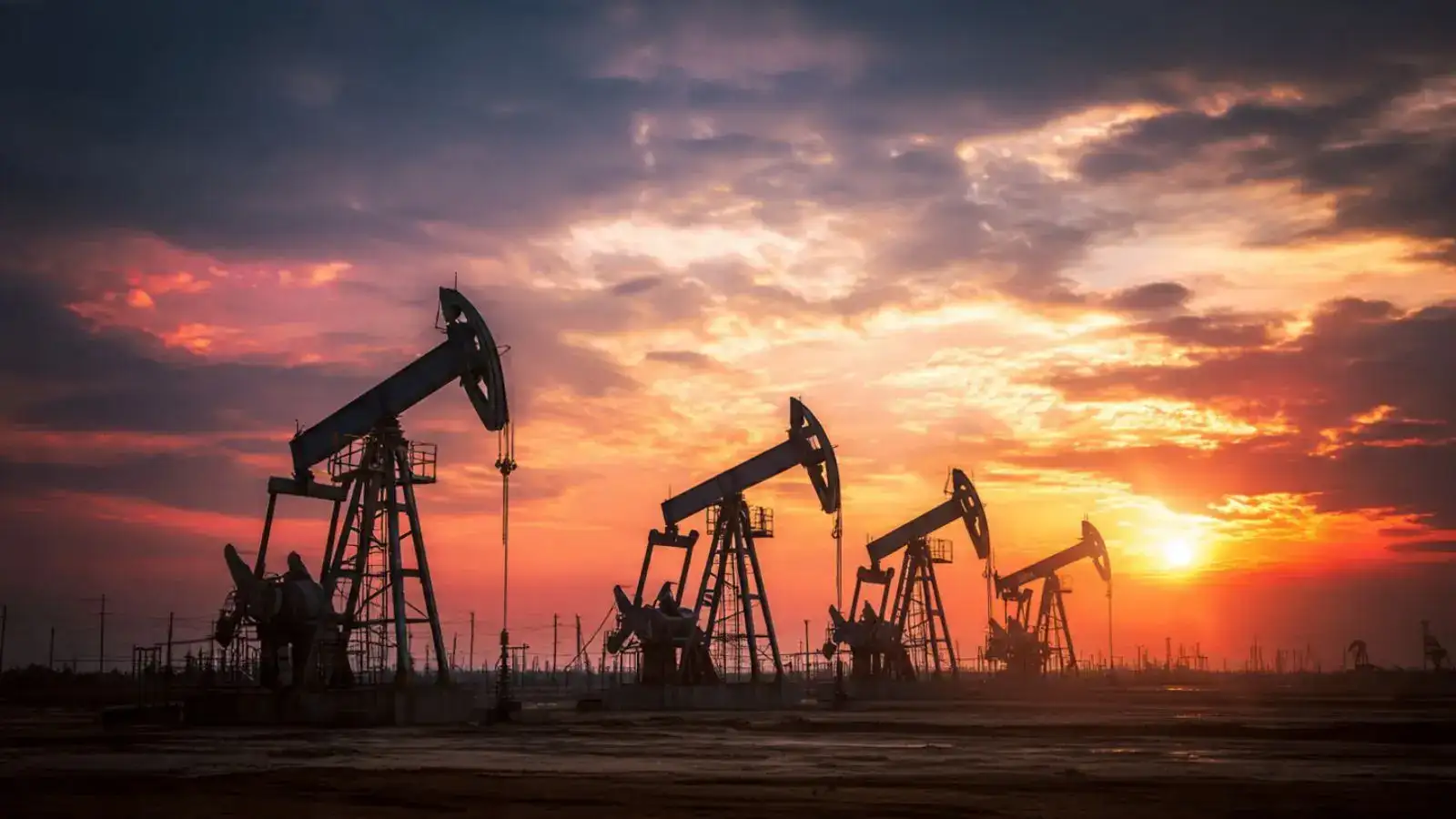
The Seven Sisters: The Original List
The Seven Sisters included the following companies:
How They Dominated the Oil Industry
The Seven Sisters operated as a powerful cartel, coordinating oil production and prices across different regions. They held long-term concessions in oil-rich countries, especially in the Middle East, where they extracted crude oil at low costs and sold it globally at higher prices.
Their influence extended beyond business. They played a key role in shaping international relations, often working closely with Western governments. Oil became a strategic resource, and these companies were at the center of global economic and political decisions.
The Beginning of Their Decline
The dominance of the Seven Sisters began to weaken in the 1960s and 1970s. Oil-producing countries started demanding greater control over their natural resources. This led to the formation of the Organization of the Petroleum Exporting Countries in 1960, which aimed to give producing nations more power over oil pricing and production.
A major turning point came during the 1973 oil crisis, when OPEC countries imposed an oil embargo. This disrupted global supply and reduced the influence of Western oil companies.
What Happened to the Seven Sisters?
Over time, mergers and acquisitions transformed the original Seven Sisters into fewer, larger entities. For example, Exxon and Mobil merged to form ExxonMobil, while Chevron absorbed Gulf Oil and later merged with Texaco. Today, some of these legacy companies still exist as major players, but they no longer dominate the global oil market as they once did.
In the modern era, state-owned oil companies from countries like Saudi Arabia, Russia, and China have taken on a much larger role in global energy production.
Legacy and Global Impact
The Seven Sisters left a lasting impact on the global energy landscape. They established the foundation of the modern oil industry, including exploration techniques, refining processes, and international distribution networks.
However, their legacy is also tied to controversies, including accusations of monopolistic practices, exploitation of resources in developing countries, and environmental concerns.
The Seven Sisters were more than just companies, they were a symbol of an era when a handful of corporations controlled one of the world’s most vital resources. While their dominance has faded, their influence continues to shape the global energy industry even today.
The Seven Sisters: The Original List
The Seven Sisters included the following companies:
- Standard Oil of New Jersey (later Exxon, now part of ExxonMobil)
- Royal Dutch Shell
- Anglo-Persian Oil Company (later British Petroleum, now BP)
- Standard Oil of New York (later Mobil, now part of ExxonMobil)
- Standard Oil of California (later Chevron)
- Gulf Oil (later merged into Chevron)
- Texaco (later merged into Chevron)
How They Dominated the Oil Industry
The Seven Sisters operated as a powerful cartel, coordinating oil production and prices across different regions. They held long-term concessions in oil-rich countries, especially in the Middle East, where they extracted crude oil at low costs and sold it globally at higher prices.
You may also like
- Summer Business: Earn up to ₹50,000 a month! Here's a cool idea for students.
- The Biggest Summer Hair Mistake Nobody Talks About
- Understanding Vitamin Deficiencies and Their Impact on Energy Levels
- Viral Video Shows Woman Arguing With Police After Drinking Near Ganga
- Your shower glass looks cloudy for a reason: The simple hotel trick that clears it fast
Their influence extended beyond business. They played a key role in shaping international relations, often working closely with Western governments. Oil became a strategic resource, and these companies were at the center of global economic and political decisions.
The Beginning of Their Decline
The dominance of the Seven Sisters began to weaken in the 1960s and 1970s. Oil-producing countries started demanding greater control over their natural resources. This led to the formation of the Organization of the Petroleum Exporting Countries in 1960, which aimed to give producing nations more power over oil pricing and production.
A major turning point came during the 1973 oil crisis, when OPEC countries imposed an oil embargo. This disrupted global supply and reduced the influence of Western oil companies.
What Happened to the Seven Sisters?
Over time, mergers and acquisitions transformed the original Seven Sisters into fewer, larger entities. For example, Exxon and Mobil merged to form ExxonMobil, while Chevron absorbed Gulf Oil and later merged with Texaco. Today, some of these legacy companies still exist as major players, but they no longer dominate the global oil market as they once did.
In the modern era, state-owned oil companies from countries like Saudi Arabia, Russia, and China have taken on a much larger role in global energy production.
Legacy and Global Impact
The Seven Sisters left a lasting impact on the global energy landscape. They established the foundation of the modern oil industry, including exploration techniques, refining processes, and international distribution networks.
However, their legacy is also tied to controversies, including accusations of monopolistic practices, exploitation of resources in developing countries, and environmental concerns.
The Seven Sisters were more than just companies, they were a symbol of an era when a handful of corporations controlled one of the world’s most vital resources. While their dominance has faded, their influence continues to shape the global energy industry even today.






More from our partners


Loving Newspoint? Download the app now
