
Silent Heart Attack: 5 Signs Your Body Gives That You Shouldn't Ignore


Heart attack cases are on the rise these days. Some people get clear symptoms, while others get none at all. We need to be especially careful about these 'silent' heart attacks, which can happen with very mild or no signs. The number of people suffering from heart attacks is increasing every day. Some people experience clear symptoms, but others have a heart attack without any signs at all. It's very important to be aware of silent heart attacks. These attacks happen with no symptoms or with very mild ones that are easy to miss. 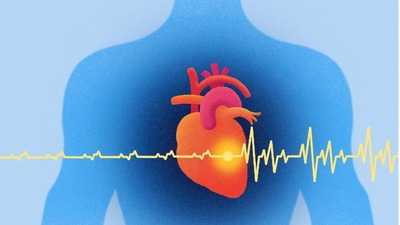
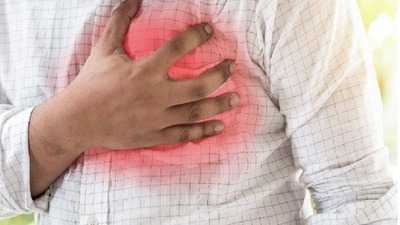 A heart attack happens when the heart muscles don't get enough blood, which damages the heart's arteries. Dr. Sandeep Thakkar, a Senior Consultant in Interventional Cardiology at Patiala Manipal Hospital, says that the symptoms of a silent heart attack are so mild or vague that they often go unnoticed. People easily mistake them for daily fatigue, acidity, or stress. Dr. Sandeep Thakkar explains the key symptoms of a silent heart attack.
 The second symptom is shortness of breath. This is one of the first signs that the heart is not functioning correctly. When the heart's pumping becomes weak, blood can back up into the lungs, which causes difficulty in breathing.
  Sudden dizziness, nausea, or bloating can be a symptom of a silent heart attack. These signs appear as the nervous system reacts to changes in blood flow. People often mistake these for food poisoning, dehydration, or a viral infection.
  The fourth sign is disturbed sleep or increased anxiety. Patients may start to feel restless and anxious. These are the body's signals to make you aware of a heart attack and problems with blood circulation.
  The fifth symptom is intermittent chest discomfort. This is a sign of a heart attack. People often ignore this because they associate a heart attack with constant, severe chest pain and mistake this occasional discomfort for a digestive issue.
 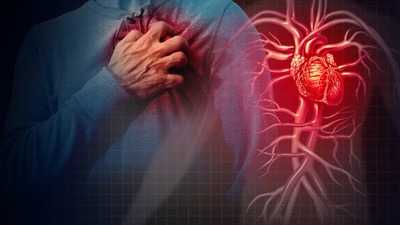 You should never dismiss these symptoms if they appear. Noticing the signs and getting a timely medical check-up can prevent the need for immediate surgeries like a coronary artery bypass graft or angioplasty. Taking medication in the early stages is also helpful in protecting your heart health.
  Silent heart attacks are more commonly seen in women. They can affect the heart's function. People who don't exercise much, have high cholesterol, smoke, are elderly, or have a family history of heart attacks are at a higher risk for this condition.
  The duration of a silent attack can vary from person to person. If you notice any kind of symptom, you should try to see a doctor as soon as possible.
The first symptom is constant fatigue. You should not ignore unusual tiredness that doesn't go away even after you've rested. This happens because your heart is under strain, working harder to pump oxygen-rich blood throughout the body.
ALSO READ: Silent Heart Attacks: Subtle Warning Signs That Could Save Your Life
Next Story