
How to Keep Your Balcony Garden Green and Thriving in Every Season

A balcony garden can transform even the smallest urban space into a refreshing green escape. But keeping it lush throughout the year takes more than just watering plants occasionally. With the right mix of care, planning, and smart choices, your balcony can stay vibrant in every season.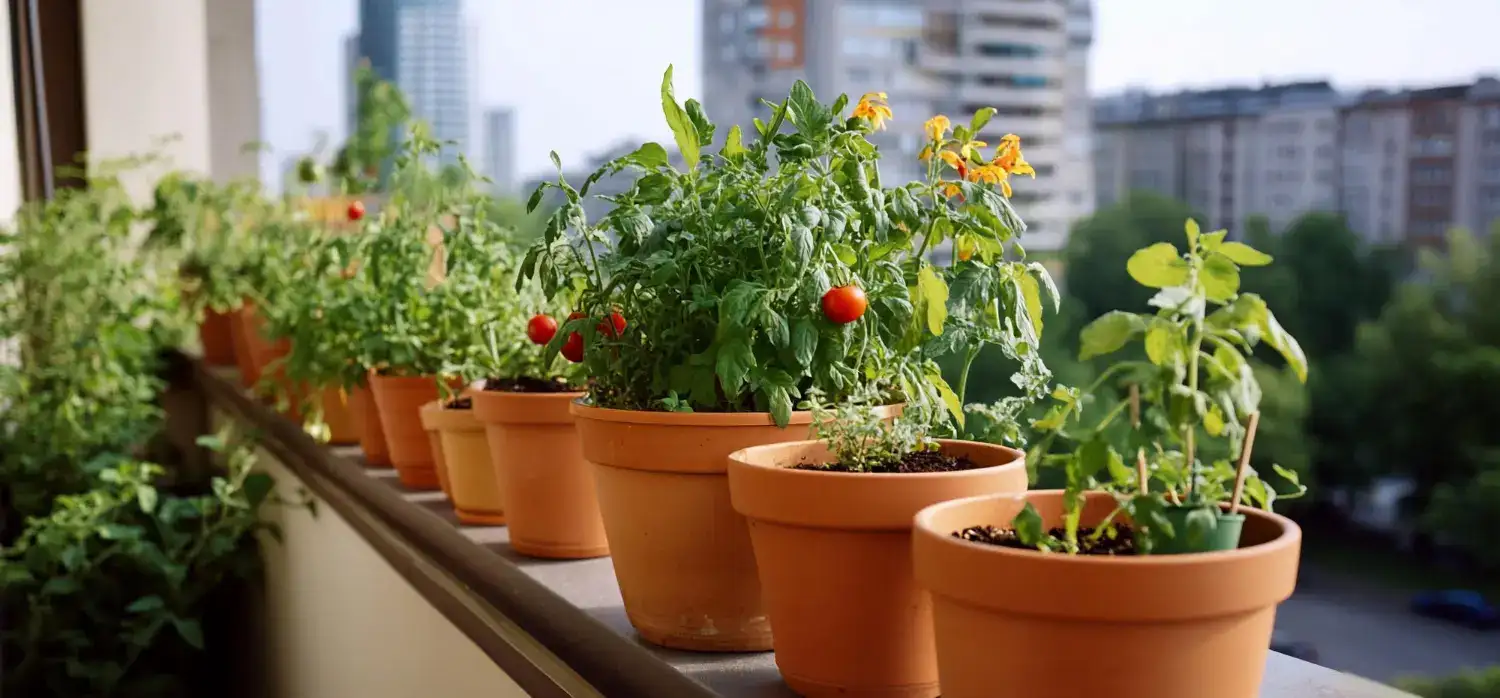
1. Choose Plants That Match Your Climate
The foundation of a healthy balcony garden is selecting plants suited to your local weather. In warm climates, go for hardy varieties like money plant, bougainvillea, basil, and aloe vera. For cooler months, leafy greens such as spinach, coriander, and parsley thrive well. Mixing seasonal plants ensures your balcony never looks dull.
2. Understand Sunlight Patterns
Every balcony receives sunlight differently—some get harsh direct sun, while others stay shaded. Observe how light moves across your space during the day. Sun-loving plants need 4–6 hours of direct sunlight, while shade-loving ones prefer filtered light. Placing plants correctly prevents wilting and promotes steady growth.
3. Use Quality Soil and Proper Drainage
Healthy plants start with healthy soil. Use a nutrient-rich potting mix that allows air circulation and water drainage. Always ensure pots have drainage holes to avoid waterlogging, which can damage roots. Adding compost or organic fertilizer every few weeks keeps the soil fertile and active.
4. Water Smartly, Not Excessively
Overwatering is one of the most common mistakes in balcony gardening. Instead of sticking to a fixed schedule, check soil moisture before watering. In summer, plants may need more frequent watering, while in winter, they require much less. Early morning or evening watering helps reduce evaporation loss.
5. Feed Your Plants Regularly
Plants in pots rely entirely on you for nutrients. Organic options like compost tea, banana peel fertilizer, and kitchen waste compost can significantly boost growth. Feeding plants every 2–4 weeks keeps them green, healthy, and resistant to pests.
6. Prune and Clean Regularly
Trimming dead leaves and overgrown branches encourages new growth and keeps plants tidy. Regular pruning also improves air circulation, reducing the risk of fungal infections. Clean pots and remove dry debris to maintain a fresh environment.
7. Rotate and Rearrange Plants Seasonally
Sunlight intensity changes throughout the year, so rotating plant positions helps them adapt better. Moving pots around also ensures each plant gets balanced light exposure and prevents uneven growth.
8. Protect Against Pests Naturally
Instead of harsh chemicals, use natural solutions like neem oil spray or mild soap water to control pests. Keeping your garden clean and well-ventilated also reduces infestations significantly.
9. Use Vertical Space Wisely
If your balcony is small, go vertical. Hanging planters, wall-mounted pots, and tiered stands maximize space while creating a lush green wall effect. This not only saves space but also enhances visual appeal.
10. Adapt to Seasonal Changes
Summer: Provide shade and water more frequently
Monsoon: Ensure proper drainage to avoid root rot
Winter: Reduce watering and protect sensitive plants from cold winds
A thriving balcony garden is all about consistency and observation. When you understand your plants’ needs and respond to seasonal changes, your small green corner can stay lush, lively, and refreshing all year long.
1. Choose Plants That Match Your Climate
The foundation of a healthy balcony garden is selecting plants suited to your local weather. In warm climates, go for hardy varieties like money plant, bougainvillea, basil, and aloe vera. For cooler months, leafy greens such as spinach, coriander, and parsley thrive well. Mixing seasonal plants ensures your balcony never looks dull. 2. Understand Sunlight Patterns
Every balcony receives sunlight differently—some get harsh direct sun, while others stay shaded. Observe how light moves across your space during the day. Sun-loving plants need 4–6 hours of direct sunlight, while shade-loving ones prefer filtered light. Placing plants correctly prevents wilting and promotes steady growth.3. Use Quality Soil and Proper Drainage
Healthy plants start with healthy soil. Use a nutrient-rich potting mix that allows air circulation and water drainage. Always ensure pots have drainage holes to avoid waterlogging, which can damage roots. Adding compost or organic fertilizer every few weeks keeps the soil fertile and active. 4. Water Smartly, Not Excessively
Overwatering is one of the most common mistakes in balcony gardening. Instead of sticking to a fixed schedule, check soil moisture before watering. In summer, plants may need more frequent watering, while in winter, they require much less. Early morning or evening watering helps reduce evaporation loss.5. Feed Your Plants Regularly
Plants in pots rely entirely on you for nutrients. Organic options like compost tea, banana peel fertilizer, and kitchen waste compost can significantly boost growth. Feeding plants every 2–4 weeks keeps them green, healthy, and resistant to pests. 6. Prune and Clean Regularly
Trimming dead leaves and overgrown branches encourages new growth and keeps plants tidy. Regular pruning also improves air circulation, reducing the risk of fungal infections. Clean pots and remove dry debris to maintain a fresh environment. 7. Rotate and Rearrange Plants Seasonally
Sunlight intensity changes throughout the year, so rotating plant positions helps them adapt better. Moving pots around also ensures each plant gets balanced light exposure and prevents uneven growth. 8. Protect Against Pests Naturally
Instead of harsh chemicals, use natural solutions like neem oil spray or mild soap water to control pests. Keeping your garden clean and well-ventilated also reduces infestations significantly.9. Use Vertical Space Wisely
If your balcony is small, go vertical. Hanging planters, wall-mounted pots, and tiered stands maximize space while creating a lush green wall effect. This not only saves space but also enhances visual appeal. 10. Adapt to Seasonal Changes
Summer: Provide shade and water more frequently Monsoon: Ensure proper drainage to avoid root rot
Winter: Reduce watering and protect sensitive plants from cold winds
A thriving balcony garden is all about consistency and observation. When you understand your plants’ needs and respond to seasonal changes, your small green corner can stay lush, lively, and refreshing all year long.
Next Story