
Simple Yoga Poses That Help Children With Short Attention Spans Stay Calm And Focused

Easy Yoga Activities For Children With Short Attention Spans That Actually Work: In today’s fast-paced world, many children struggle with short attention spans, making it difficult for them to sit still, concentrate, or stay engaged in structured activities. With constant exposure to screens and rapid stimulation, their minds often remain restless. Introducing yoga into their daily routine can be a simple yet powerful way to help them slow down, focus better, and channel their energy in a positive direction. The key is to keep yoga fun, short, and interactive so that children remain interested while gradually building concentration and emotional balance.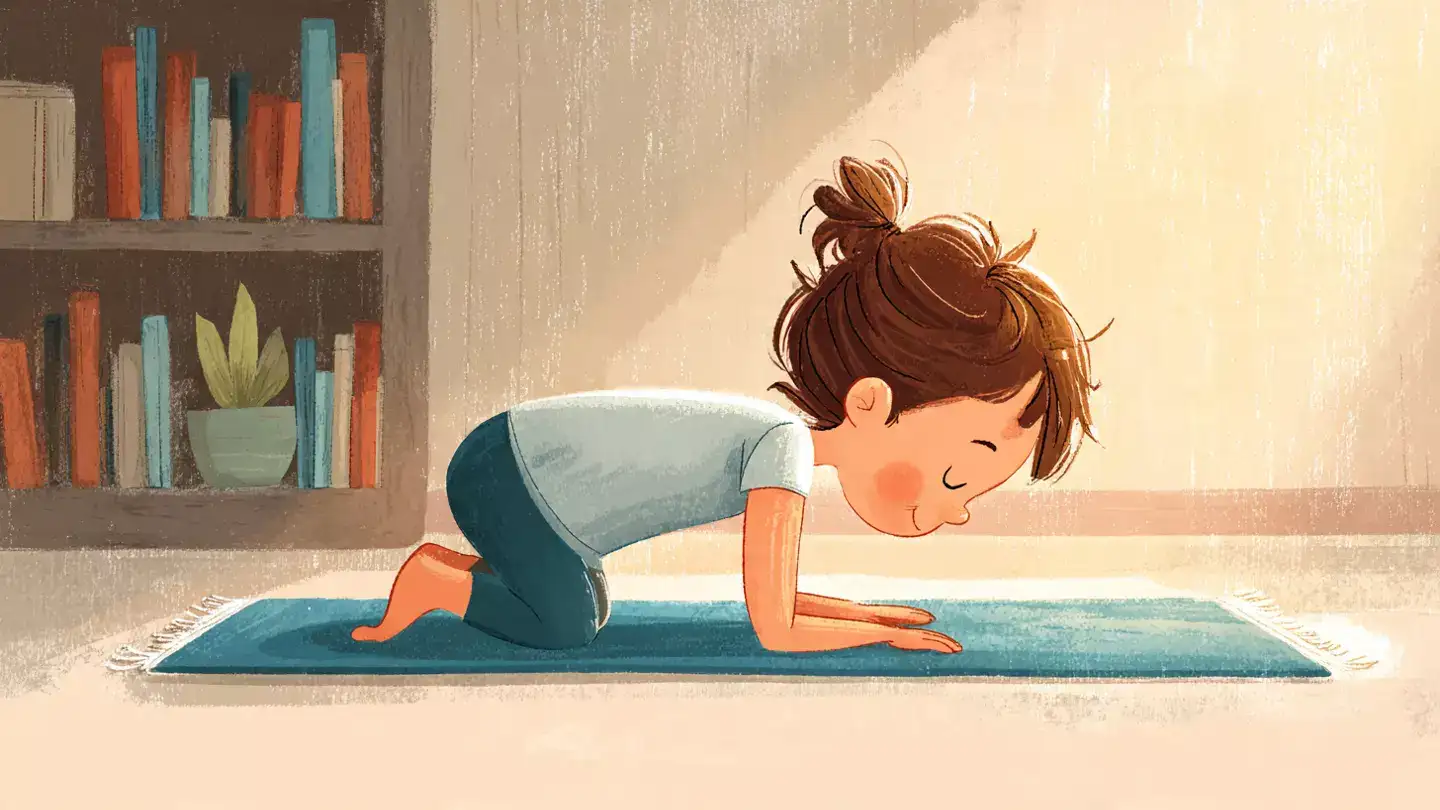
Instead of forcing stillness, yoga allows children to move their bodies while gently guiding them towards focus. Over time, this practice strengthens their ability to concentrate, reduces impulsive behaviour, and improves emotional control. It also introduces mindfulness in a way that feels enjoyable rather than restrictive.
Adding playful elements such as storytelling or role play can make a big difference. For instance, asking children to imitate animals or nature while performing poses can transform yoga into an exciting activity rather than a task they have to complete.
Tree pose is excellent for improving balance and focus. Children can pretend to be tall trees swaying gently in the wind, which makes the pose more engaging.
Cat-cow pose introduces gentle movement and breathing, helping children release tension while staying active. The rhythmic motion keeps them interested without requiring stillness.
Butterfly pose adds a playful touch, as children flap their legs like wings. It is simple, fun, and effective for flexibility.
Child’s pose offers a moment of calm and relaxation. It is particularly useful when children begin to feel restless or overstimulated.
Encourage children to take deep breaths by pretending to blow up a balloon or gently blow out a candle. These visual cues make the practice easier to understand and more enjoyable.
Regular breathing exercises can help calm the mind, reduce anxiety, and improve overall attention span.
It does not have to be a long session. Even a few minutes daily can create noticeable improvements over time. A predictable routine also helps children feel secure and more willing to participate.
Creating a small, dedicated space for yoga at home can also help. Over time, children begin to associate that space with calmness and focus.
Encourage them gently and appreciate their efforts rather than correcting every movement. A positive and supportive approach builds confidence and keeps them motivated to continue practising.
Emotionally, it teaches patience, self-awareness, and relaxation techniques that children can use in their daily lives. These skills contribute to better behaviour, improved learning, and a more balanced mindset.
By making yoga simple, fun, and consistent, parents can help children with short attention spans develop better focus without stress. Over time, this practice becomes a valuable tool that supports both their mental and physical growth, helping them navigate daily challenges with greater ease and confidence.
Image Courtesy: Meta AI
Why Yoga Helps Improve Focus In Children
Children are naturally energetic and curious, which often makes it challenging for them to maintain attention for long periods. Yoga works effectively because it blends physical movement with breathing and awareness.Instead of forcing stillness, yoga allows children to move their bodies while gently guiding them towards focus. Over time, this practice strengthens their ability to concentrate, reduces impulsive behaviour, and improves emotional control. It also introduces mindfulness in a way that feels enjoyable rather than restrictive.
Keep Sessions Short And Playful
When working with children who have short attention spans, long routines can quickly become boring. Short sessions of 10 to 15 minutes are ideal to keep them engaged without overwhelming them.Adding playful elements such as storytelling or role play can make a big difference. For instance, asking children to imitate animals or nature while performing poses can transform yoga into an exciting activity rather than a task they have to complete.
Easy Yoga Poses That Keep Kids Engaged
Choosing simple and interactive poses is essential. These poses should involve movement, balance, or imagination to hold a child’s interest.Tree pose is excellent for improving balance and focus. Children can pretend to be tall trees swaying gently in the wind, which makes the pose more engaging.
Cat-cow pose introduces gentle movement and breathing, helping children release tension while staying active. The rhythmic motion keeps them interested without requiring stillness.
Butterfly pose adds a playful touch, as children flap their legs like wings. It is simple, fun, and effective for flexibility.
Child’s pose offers a moment of calm and relaxation. It is particularly useful when children begin to feel restless or overstimulated.
Introduce Simple Breathing Exercises
Breathing exercises are a core part of yoga and can significantly improve a child’s ability to focus. However, these should be introduced in a fun and imaginative way.Encourage children to take deep breaths by pretending to blow up a balloon or gently blow out a candle. These visual cues make the practice easier to understand and more enjoyable.
Regular breathing exercises can help calm the mind, reduce anxiety, and improve overall attention span.
Create A Consistent Routine
Consistency plays a key role in making yoga effective. Practising at the same time each day helps children build a habit and become more comfortable with the routine.It does not have to be a long session. Even a few minutes daily can create noticeable improvements over time. A predictable routine also helps children feel secure and more willing to participate.
Minimise Distractions During Practice
A calm and quiet environment can make a big difference in helping children stay focused. Reducing distractions such as loud noises or screens allows them to connect better with the activity.Creating a small, dedicated space for yoga at home can also help. Over time, children begin to associate that space with calmness and focus.
Encourage Without Pressure
It is important to keep yoga sessions free from pressure or strict expectations. Children should not feel forced to perform perfectly.Encourage them gently and appreciate their efforts rather than correcting every movement. A positive and supportive approach builds confidence and keeps them motivated to continue practising.
Benefits That Go Beyond Focus
While improving attention span is often the main goal, yoga offers many additional benefits. It helps strengthen the body, improve flexibility, and support overall physical health.Emotionally, it teaches patience, self-awareness, and relaxation techniques that children can use in their daily lives. These skills contribute to better behaviour, improved learning, and a more balanced mindset.
By making yoga simple, fun, and consistent, parents can help children with short attention spans develop better focus without stress. Over time, this practice becomes a valuable tool that supports both their mental and physical growth, helping them navigate daily challenges with greater ease and confidence.
Image Courtesy: Meta AI
Next Story