
Sleepmaxxing Explained: The Trend Redefining Rest and Productivity

What Is Sleepmaxxing?
Sleepmaxxing refers to the intentional effort to maximize both the quality and duration of sleep. Unlike traditional advice that simply emphasizes “getting enough rest,” this trend involves structured routines, sleep tracking, and environment optimization to improve how well one sleeps.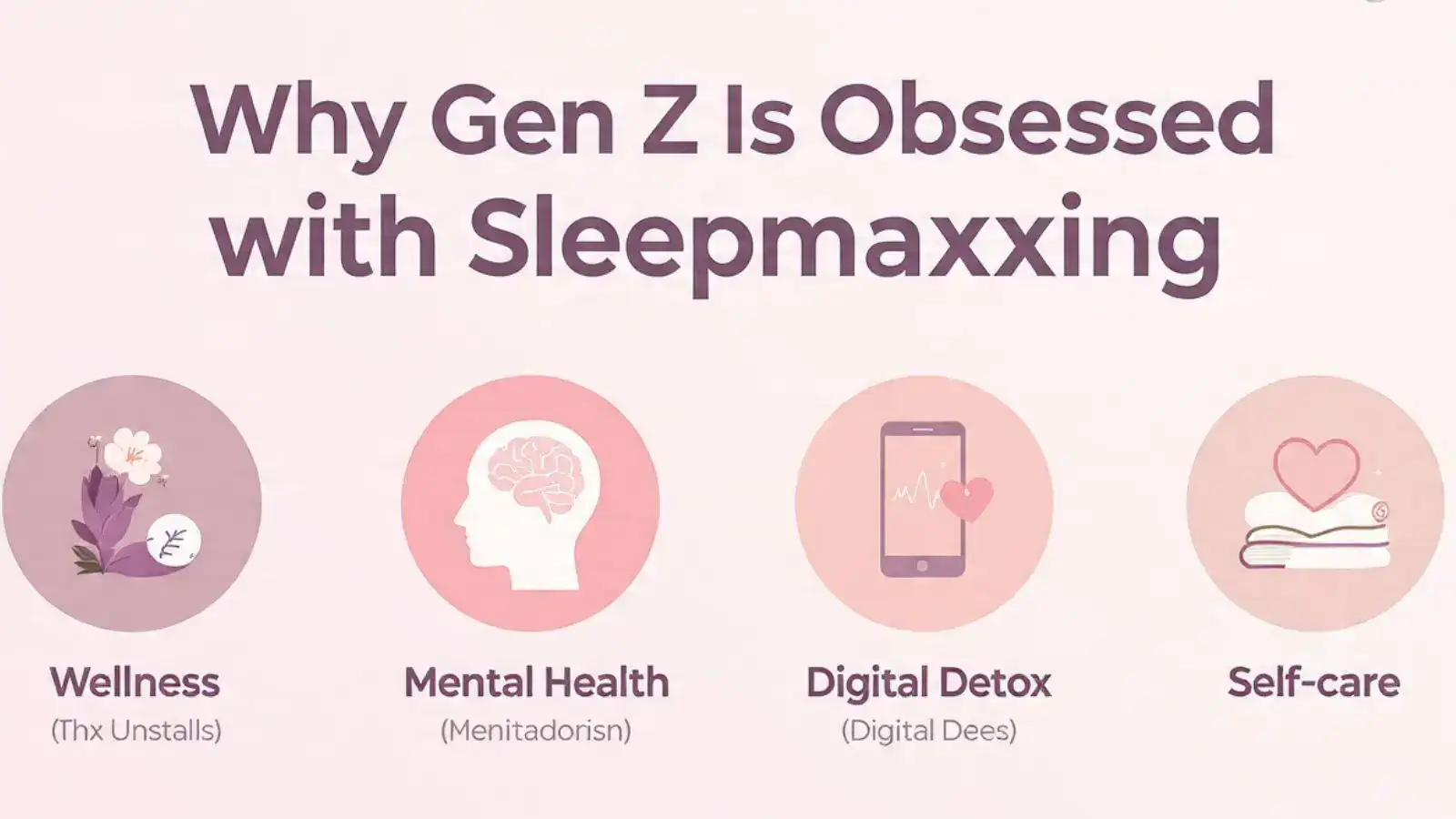
For Gen Z, sleep is no longer seen as passive downtime but as an active investment in health. From setting strict bedtime schedules to using sleep-enhancing tools, the approach reflects a more informed and data-driven mindset toward well-being.
Why Gen Z Is Prioritizing Sleep
The rise of sleepmaxxing is closely linked to increasing awareness about mental health, stress, and burnout. Studies by organizations like the Centers for Disease Control and Prevention (CDC) and the National Sleep Foundation consistently highlight that adults aged 18–25 often experience irregular sleep patterns and insufficient rest.
Digital lifestyles also play a role. Late-night screen use, social media engagement, and academic or work pressures have historically disrupted sleep cycles. In response, many young individuals are now actively trying to reverse these habits by prioritizing structured sleep routines.
The Science Behind Better Sleep
Sleep is essential for cognitive function, emotional regulation, and physical recovery. Research shows that adults typically require 7–9 hours of sleep per night for optimal functioning. Poor sleep has been linked to reduced concentration, mood disturbances, and increased risk of health issues such as anxiety and weakened immunity.
Sleep cycles, including REM (Rapid Eye Movement) and deep sleep stages, are crucial for memory consolidation and body repair. Sleepmaxxing aims to optimize these cycles rather than just increasing total sleep time.
Popular Sleepmaxxing Practices
Gen Z’s approach to sleep often combines traditional wellness practices with modern technology:
The Role of Social Media and Wellness Culture
Platforms like Instagram and TikTok have played a major role in popularizing sleepmaxxing. Influencers share routines, “night rituals,” and product recommendations, making sleep optimization more accessible and appealing.
However, this visibility also comes with challenges. Some trends may promote unrealistic expectations or unnecessary products. Health experts emphasize that while optimizing sleep is beneficial, it should remain simple and evidence-based.
Challenges and Misconceptions
One common misconception is that sleepmaxxing requires expensive gadgets or complex routines. In reality, basic habits, such as maintaining a consistent schedule and limiting caffeine intake in the evening, are often the most effective.
Another challenge is consistency. Academic demands, work schedules, and social commitments can make it difficult for young people to maintain strict routines. Flexibility and gradual improvements are key to making the trend sustainable.
A Healthier Approach to Productivity
Sleepmaxxing reflects a broader shift in how Gen Z defines productivity. Instead of glorifying overwork and late nights, there is growing recognition that rest is essential for performance and creativity.
By prioritizing sleep, young individuals are not only improving their health but also redefining success in a more balanced and sustainable way. As awareness continues to grow, sleepmaxxing is likely to remain a significant part of modern wellness culture.
Sleepmaxxing refers to the intentional effort to maximize both the quality and duration of sleep. Unlike traditional advice that simply emphasizes “getting enough rest,” this trend involves structured routines, sleep tracking, and environment optimization to improve how well one sleeps.
For Gen Z, sleep is no longer seen as passive downtime but as an active investment in health. From setting strict bedtime schedules to using sleep-enhancing tools, the approach reflects a more informed and data-driven mindset toward well-being.
Why Gen Z Is Prioritizing Sleep
The rise of sleepmaxxing is closely linked to increasing awareness about mental health, stress, and burnout. Studies by organizations like the Centers for Disease Control and Prevention (CDC) and the National Sleep Foundation consistently highlight that adults aged 18–25 often experience irregular sleep patterns and insufficient rest.
Digital lifestyles also play a role. Late-night screen use, social media engagement, and academic or work pressures have historically disrupted sleep cycles. In response, many young individuals are now actively trying to reverse these habits by prioritizing structured sleep routines.
The Science Behind Better Sleep
Sleep is essential for cognitive function, emotional regulation, and physical recovery. Research shows that adults typically require 7–9 hours of sleep per night for optimal functioning. Poor sleep has been linked to reduced concentration, mood disturbances, and increased risk of health issues such as anxiety and weakened immunity.
Sleep cycles, including REM (Rapid Eye Movement) and deep sleep stages, are crucial for memory consolidation and body repair. Sleepmaxxing aims to optimize these cycles rather than just increasing total sleep time.
Popular Sleepmaxxing Practices
Gen Z’s approach to sleep often combines traditional wellness practices with modern technology:
- Consistent Sleep Schedules: Going to bed and waking up at the same time daily helps regulate the body’s internal clock.
- Digital Detox Before Bed: Reducing screen exposure at least 30–60 minutes before sleep minimizes blue light disruption.
- Sleep Tracking: Wearable devices and apps monitor sleep duration and quality, offering insights into patterns.
- Optimized Sleep Environment: Dark, cool, and quiet rooms are known to support better sleep quality.
- Relaxation Techniques: Meditation, breathing exercises, and reading are commonly used to wind down.
The Role of Social Media and Wellness Culture
Platforms like Instagram and TikTok have played a major role in popularizing sleepmaxxing. Influencers share routines, “night rituals,” and product recommendations, making sleep optimization more accessible and appealing.
However, this visibility also comes with challenges. Some trends may promote unrealistic expectations or unnecessary products. Health experts emphasize that while optimizing sleep is beneficial, it should remain simple and evidence-based.
Challenges and Misconceptions
One common misconception is that sleepmaxxing requires expensive gadgets or complex routines. In reality, basic habits, such as maintaining a consistent schedule and limiting caffeine intake in the evening, are often the most effective.
Another challenge is consistency. Academic demands, work schedules, and social commitments can make it difficult for young people to maintain strict routines. Flexibility and gradual improvements are key to making the trend sustainable.
A Healthier Approach to Productivity
Sleepmaxxing reflects a broader shift in how Gen Z defines productivity. Instead of glorifying overwork and late nights, there is growing recognition that rest is essential for performance and creativity.
By prioritizing sleep, young individuals are not only improving their health but also redefining success in a more balanced and sustainable way. As awareness continues to grow, sleepmaxxing is likely to remain a significant part of modern wellness culture.
Next Story