
Smart Feeding Habits Every Pet Owner Should Follow For A Healthier And Happier Companion

Understanding The Importance Of Proper Pet Nutrition: Feeding your pet is more than just a routine task; it is one of the most important aspects of responsible pet ownership. A well-balanced diet directly impacts your pet’s energy levels, immune system and overall quality of life. Whether you have a dog, cat or any other companion animal, understanding the fundamentals of a healthy pet diet is essential.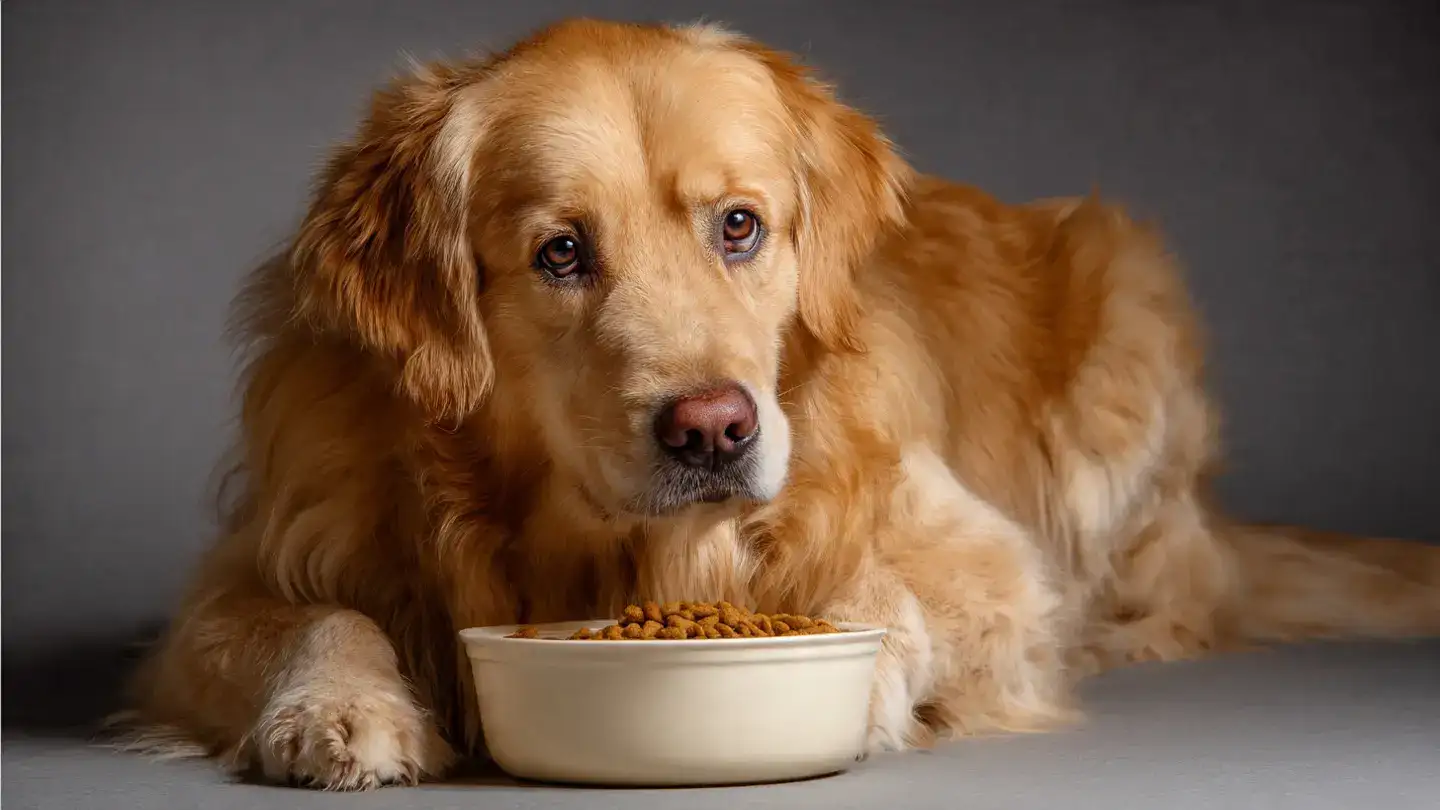
Many common health problems in pets, including obesity, digestive disorders and nutrient deficiencies, can often be traced back to improper feeding habits. By following a structured pet nutrition guide , owners can ensure their pets receive the right nutrients in the correct proportions.
High-quality commercial pet food is usually formulated to meet these needs, but it is important to read labels carefully. If you prefer home-cooked meals, consulting a veterinarian ensures the diet remains nutritionally complete.
Divide meals into appropriate portions rather than offering large quantities at once. This is especially important for pets prone to weight gain.
Cleaning water bowls daily and refilling them regularly ensures your pet stays hydrated and healthy.
Using measuring cups or feeding charts can prevent guesswork and ensure accuracy. Adjust portions as needed based on changes in weight, activity or health conditions.
Mixing the new food with the existing one and gradually increasing the proportion allows your pet to adapt comfortably.
Feeding table scraps regularly can also lead to unhealthy eating habits and nutritional imbalance.
Choosing healthy, low-calorie treats and using them sparingly helps maintain discipline and health.
Scheduled feeding allows better control and helps establish a clear routine.
Consulting a veterinarian and adjusting the diet accordingly is essential for long-term wellbeing.
Opt for safe, vet-approved chew products instead of risky alternatives.
Keeping track of your pet’s eating habits, weight and behaviour can provide valuable insights into their health. Regular vet check-ups complement these efforts by ensuring dietary needs are being met.
Organisation also plays a role. Storing pet food properly, maintaining cleanliness and planning meals in advance can simplify daily routines while ensuring safety and hygiene.
Owners who understand the dos and don’ts of feeding pets are better equipped to make informed decisions. Small changes, such as controlling portions or avoiding harmful foods, can create a significant positive impact over time.
Feeding your pet is a daily responsibility that shapes their health, behaviour and happiness. With the right knowledge and consistent habits, it becomes a simple yet powerful way to ensure your pet thrives every single day.
Image Courtesy: Meta AI
Many common health problems in pets, including obesity, digestive disorders and nutrient deficiencies, can often be traced back to improper feeding habits. By following a structured pet nutrition guide , owners can ensure their pets receive the right nutrients in the correct proportions.
Dos Of Feeding Your Pet
Provide A Balanced And Age-Appropriate Diet
One of the most important pet feeding tips is to choose food that matches your pet’s age, breed and activity level. Puppies and kittens require nutrient-rich diets for growth, while adult and senior pets need balanced meals that support maintenance and ageing.High-quality commercial pet food is usually formulated to meet these needs, but it is important to read labels carefully. If you prefer home-cooked meals, consulting a veterinarian ensures the diet remains nutritionally complete.
Maintain Consistent Feeding Schedules
Consistency is key when it comes to feeding pets correctly . Establishing fixed meal times helps regulate digestion and prevents overeating. Most pets thrive on routine, and irregular feeding can lead to behavioural issues or digestive discomfort.Divide meals into appropriate portions rather than offering large quantities at once. This is especially important for pets prone to weight gain.
Ensure Fresh Water Is Always Available
Hydration is as important as food. Fresh, clean water should be accessible at all times. Dehydration can lead to serious health complications, particularly in warmer climates.Cleaning water bowls daily and refilling them regularly ensures your pet stays hydrated and healthy.
Monitor Portion Sizes Carefully
Overfeeding is one of the most common mistakes pet owners make. Following recommended portion guidelines based on your pet’s weight and activity level helps maintain a balanced pet diet .Using measuring cups or feeding charts can prevent guesswork and ensure accuracy. Adjust portions as needed based on changes in weight, activity or health conditions.
Introduce Dietary Changes Gradually
Any change in diet should be made slowly over several days. Sudden changes can upset your pet’s digestive system, leading to vomiting or diarrhoea.Mixing the new food with the existing one and gradually increasing the proportion allows your pet to adapt comfortably.
Don’ts Of Feeding Your Pet
Avoid Feeding Human Food Without Caution
Not all human food is safe for pets. Items such as chocolate, grapes, onions and certain artificial sweeteners can be toxic. Even seemingly harmless leftovers may contain spices or ingredients that are unsuitable.Feeding table scraps regularly can also lead to unhealthy eating habits and nutritional imbalance.
Do Not Overuse Treats
Treats are useful for training and bonding, but excessive use can quickly lead to weight gain. They should only make up a small percentage of your pet’s daily calorie intake.Choosing healthy, low-calorie treats and using them sparingly helps maintain discipline and health.
Avoid Free Feeding Without Supervision
Leaving food out all day, commonly known as free feeding, may not suit every pet. It can encourage overeating and make it difficult to monitor appetite changes, which are often early signs of health issues.Scheduled feeding allows better control and helps establish a clear routine.
Do Not Ignore Signs Of Food Allergies Or Intolerance
If your pet shows symptoms such as itching, vomiting, diarrhoea or unusual lethargy, it may indicate a food allergy or intolerance. Ignoring these signs can worsen the condition over time.Consulting a veterinarian and adjusting the diet accordingly is essential for long-term wellbeing.
Avoid Feeding Bones Or Hazardous Items
Certain bones, especially cooked ones, can splinter and cause choking or internal injuries. Similarly, small or hard items may pose a risk of obstruction.Opt for safe, vet-approved chew products instead of risky alternatives.
Creating A Sustainable Feeding Routine
Developing a consistent and thoughtful feeding routine is crucial for your pet’s overall health. It involves more than selecting the right food; it requires observation, adjustment and care.Keeping track of your pet’s eating habits, weight and behaviour can provide valuable insights into their health. Regular vet check-ups complement these efforts by ensuring dietary needs are being met.
Organisation also plays a role. Storing pet food properly, maintaining cleanliness and planning meals in advance can simplify daily routines while ensuring safety and hygiene.
Building Long-Term Healthy Habits
Good feeding practices established early can have lasting benefits. Pets that follow a structured diet are less likely to develop chronic health issues and tend to live more active, comfortable lives.Owners who understand the dos and don’ts of feeding pets are better equipped to make informed decisions. Small changes, such as controlling portions or avoiding harmful foods, can create a significant positive impact over time.
Feeding your pet is a daily responsibility that shapes their health, behaviour and happiness. With the right knowledge and consistent habits, it becomes a simple yet powerful way to ensure your pet thrives every single day.
Image Courtesy: Meta AI
Next Story