
Smart Ways To Start Cooking With Less Salt Without Losing Taste In Everyday Meals

How To Start Cooking With Less Salt – Gradual Changes: Reducing salt in daily cooking is a simple but highly effective step towards improving long term health. Excess salt intake is linked to blood pressure concerns and other lifestyle related health issues. However, sudden salt reduction can make food taste bland and difficult to enjoy. The best approach is to introduce gradual changes that allow taste buds to adjust slowly. Learning how to start cooking with less salt does not mean sacrificing flavour. Instead, it involves smart seasoning techniques, use of natural herbs and mindful cooking habits that help maintain taste while supporting heart health and overall wellness.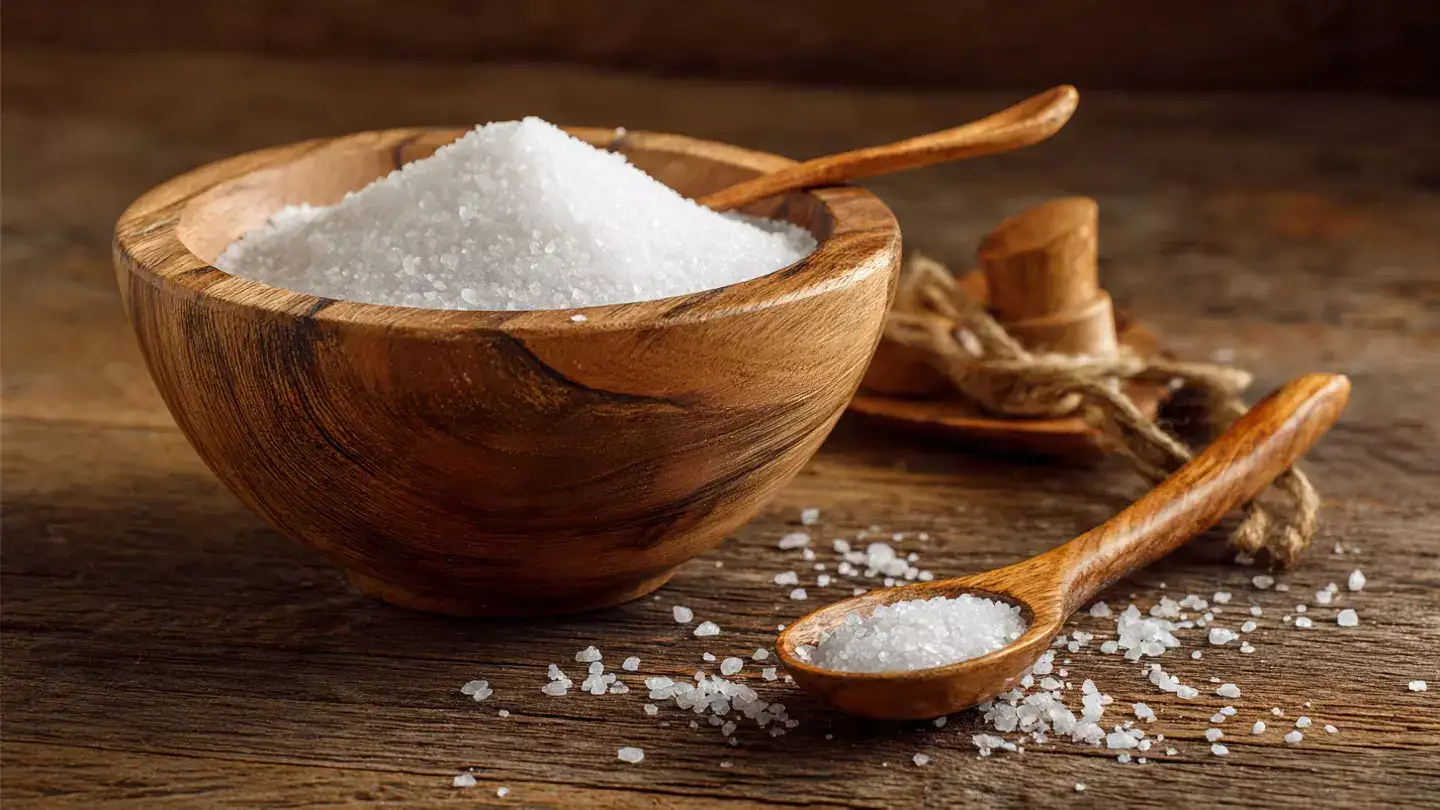
Many Indian dishes rely on spices and herbs for flavour, which makes it easier to reduce salt without compromising taste. Ingredients such as garlic, ginger, lemon and fresh coriander can enhance flavour naturally. This approach supports heart healthy Indian cooking habits and promotes better nutrition over time.
Cooking with less salt becomes easier when family members are also encouraged to follow similar habits. This prevents the need to cook separate meals and helps everyone adapt gradually. It is especially helpful for families trying to maintain healthy lifestyle choices together.
Garlic and ginger are particularly useful because they add strong flavour profiles that reduce the need for extra salt. Roasting spices before adding them to dishes can also increase aroma and improve overall taste experience.
Cooking at home allows better monitoring of sodium levels and supports balanced nutrition. Preparing meals from scratch is one of the best ways to control dietary salt and maintain a heart friendly diet.
This method works well in Indian cooking because many traditional dishes already include sour flavour elements. Using natural acidity helps maintain flavour balance while supporting low salt cooking tips .
Tasting food before serving is a good habit that helps control salt intake. Many people add extra salt automatically without checking taste first. Being mindful during cooking can significantly reduce daily sodium consumption.
Herbal seasoning mixes can also be prepared at home by combining dried herbs and spices. These mixes can replace ready made seasoning packets that often contain extra sodium.
Gradual changes work best when combined with overall healthy lifestyle habits. Reducing salt should be part of a broader approach to balanced eating, regular physical activity and mindful cooking.
Learning how to start cooking with less salt is a practical step towards healthier living. Small, consistent changes in daily cooking habits can lead to long term improvements in heart health and overall well being. With patience and smart ingredient choices, meals can remain delicious while supporting better health outcomes.
Image Courtesy: Meta AI
Why Reducing Salt Gradually Works Better
Taste buds take time to adapt to lower sodium levels. If salt is reduced suddenly, meals may feel less satisfying, which can lead to unhealthy cravings for processed or salty snacks. Gradual salt reduction helps people adjust without feeling deprived.Many Indian dishes rely on spices and herbs for flavour, which makes it easier to reduce salt without compromising taste. Ingredients such as garlic, ginger, lemon and fresh coriander can enhance flavour naturally. This approach supports heart healthy Indian cooking habits and promotes better nutrition over time.
Start By Reducing Salt In Small Steps
The most practical method is to reduce salt slowly rather than eliminating it completely. For example, if a recipe usually requires one teaspoon of salt, start by using three quarters of a teaspoon. After a few weeks, reduce it further.Cooking with less salt becomes easier when family members are also encouraged to follow similar habits. This prevents the need to cook separate meals and helps everyone adapt gradually. It is especially helpful for families trying to maintain healthy lifestyle choices together.
Use Herbs And Spices As Natural Flavour Enhancers
Indian cuisine is naturally rich in aromatic spices, which makes salt reduction easier. Fresh herbs such as mint and coriander can add freshness to meals. Spices like cumin, turmeric and black pepper help enhance taste without increasing sodium levels.Garlic and ginger are particularly useful because they add strong flavour profiles that reduce the need for extra salt. Roasting spices before adding them to dishes can also increase aroma and improve overall taste experience.
Choose Fresh Ingredients Over Processed Foods
Processed foods often contain hidden salt, even in items that do not taste particularly salty. Packaged snacks, sauces and ready to cook meals usually have higher sodium levels. Choosing fresh vegetables, pulses and grains helps maintain better control over salt intake.Cooking at home allows better monitoring of sodium levels and supports balanced nutrition. Preparing meals from scratch is one of the best ways to control dietary salt and maintain a heart friendly diet.
Add Acidic Flavours To Improve Taste
Acidic ingredients can help compensate for reduced salt levels. Lemon juice, tamarind and yoghurt can enhance flavour perception without increasing sodium content. A small squeeze of lemon on cooked vegetables or dal can make meals taste more vibrant.This method works well in Indian cooking because many traditional dishes already include sour flavour elements. Using natural acidity helps maintain flavour balance while supporting low salt cooking tips .
Avoid Adding Salt During Cooking Process
One common mistake is adding salt early during cooking. Instead, add salt towards the end of the cooking process. This helps prevent excessive salt usage because taste can be adjusted gradually.Tasting food before serving is a good habit that helps control salt intake. Many people add extra salt automatically without checking taste first. Being mindful during cooking can significantly reduce daily sodium consumption.
Use Salt Alternatives Carefully
Some people choose salt substitutes, but these should be used cautiously. People with kidney or medical conditions should consult healthcare professionals before using salt alternatives. Natural flavouring methods are generally safer and more sustainable for long term use.Herbal seasoning mixes can also be prepared at home by combining dried herbs and spices. These mixes can replace ready made seasoning packets that often contain extra sodium.
Practical Lifestyle Habits For Salt Reduction
Drinking enough water helps balance sodium levels in the body. Eating more fruits and vegetables also helps because they naturally contain potassium, which helps counter sodium effects.Gradual changes work best when combined with overall healthy lifestyle habits. Reducing salt should be part of a broader approach to balanced eating, regular physical activity and mindful cooking.
Learning how to start cooking with less salt is a practical step towards healthier living. Small, consistent changes in daily cooking habits can lead to long term improvements in heart health and overall well being. With patience and smart ingredient choices, meals can remain delicious while supporting better health outcomes.
Image Courtesy: Meta AI
Next Story