
Stop Overusing Your Fridge! 6 Everyday Foods You Should Never Refrigerate

We all rely on the fridge to keep our food fresh for longer. But here’s a surprising twist, not everything belongs in there. In fact, some everyday kitchen staples lose their taste, texture, and shelf life when stored in cold temperatures. Let’s take a quick look at what you should keep out of your fridge for better freshness and flavor.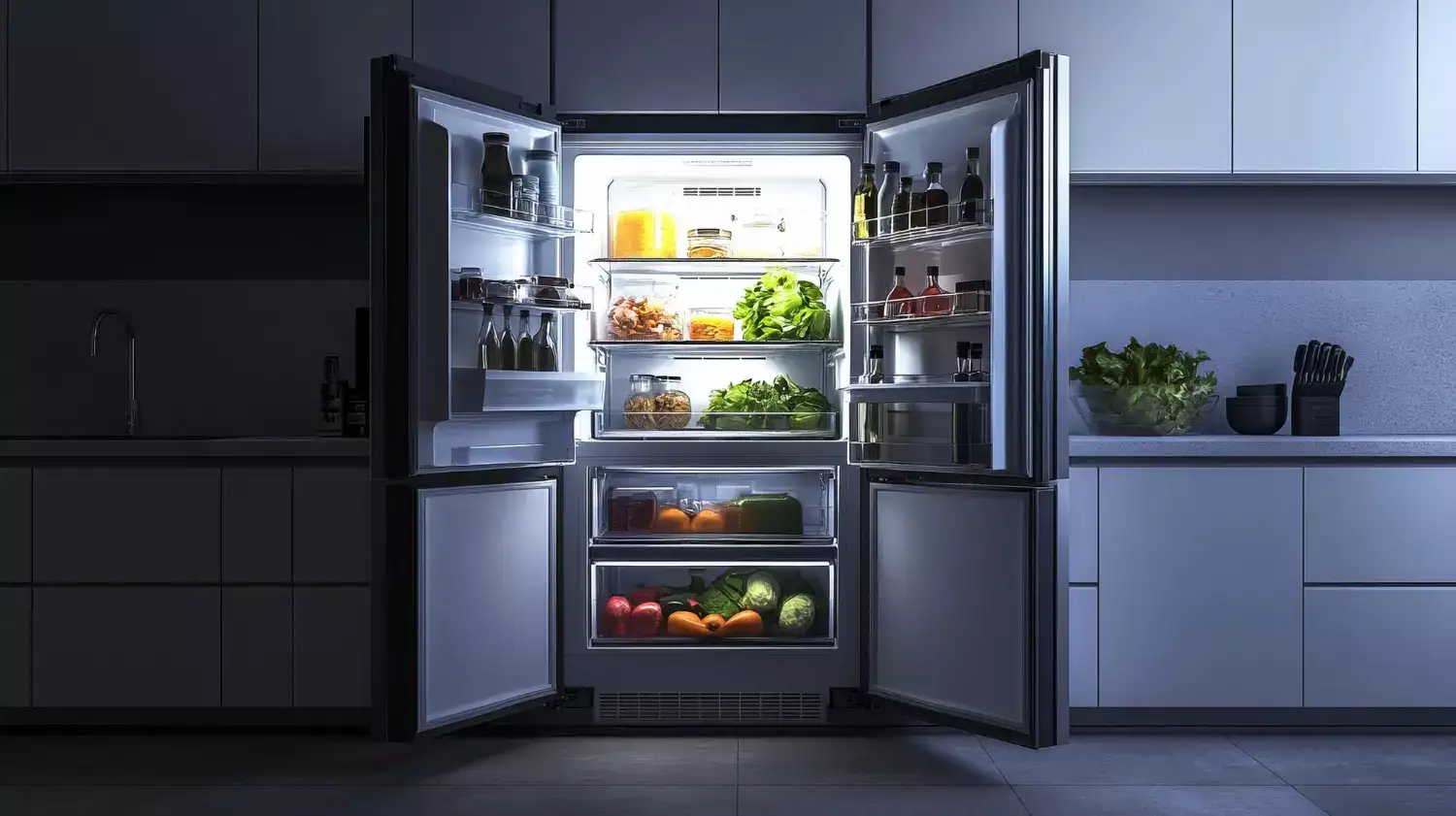
Oil: Keep It Smooth, Not Solid
Storing cooking oil in the fridge is a big no. Cold temperatures make oil thicken and turn cloudy, which can affect both its texture and taste. A cool kitchen shelf works perfectly fine.
Onion: Moisture Is the Enemy
Onions don’t do well in the fridge. The damp environment makes them soft and speeds up spoilage. Instead, store them in a dry, well-ventilated basket to keep them crisp and long-lasting.
Garlic: Let It Breathe
Garlic needs air, not moisture. Refrigeration can lead to mould growth and faster spoilage. Keep garlic bulbs in an open, dry space to maintain their freshness.
Potato: Cold Ruins the Texture
When stored in the fridge, potatoes can spoil faster and even develop an odd texture. A cool, dark pantry is the ideal place to keep them fresh and firm.
Banana: Ripens Too Fast in the Cold
Putting bananas in the fridge can cause them to ripen unevenly and turn black quickly. For best results, leave them at room temperature where they stay fresh longer.
Tomato: Flavor Comes First
Tomatoes lose their natural taste and texture when refrigerated. Keeping them at room temperature helps preserve their juiciness and rich flavor.
Your fridge is useful, but not for everything. By storing these common foods the right way, you can avoid waste, preserve flavor, and make your groceries last longer. Sometimes, your kitchen shelf is the real hero!
Oil: Keep It Smooth, Not Solid
Storing cooking oil in the fridge is a big no. Cold temperatures make oil thicken and turn cloudy, which can affect both its texture and taste. A cool kitchen shelf works perfectly fine. Onion: Moisture Is the Enemy
Onions don’t do well in the fridge. The damp environment makes them soft and speeds up spoilage. Instead, store them in a dry, well-ventilated basket to keep them crisp and long-lasting.You may also like
- These 5 habits will eliminate fatty liver completely! They're easy to do.
- Major changes for every learner driver from May 2026
- Start drinking these 5 Ayurvedic cooling drinks before bed, and you'll have a restful night's sleep.
- Vitamin Side Effects: Beware! Taking this vitamin without medical advice can be dangerous and can even lead to loss of eyesight.
- Concealing Earnings from Foreign Shares Could Prove Costly: Exercise Caution When Filing Your ITR
Garlic: Let It Breathe
Garlic needs air, not moisture. Refrigeration can lead to mould growth and faster spoilage. Keep garlic bulbs in an open, dry space to maintain their freshness. Potato: Cold Ruins the Texture
When stored in the fridge, potatoes can spoil faster and even develop an odd texture. A cool, dark pantry is the ideal place to keep them fresh and firm.Banana: Ripens Too Fast in the Cold
Putting bananas in the fridge can cause them to ripen unevenly and turn black quickly. For best results, leave them at room temperature where they stay fresh longer. Tomato: Flavor Comes First
Tomatoes lose their natural taste and texture when refrigerated. Keeping them at room temperature helps preserve their juiciness and rich flavor. Your fridge is useful, but not for everything. By storing these common foods the right way, you can avoid waste, preserve flavor, and make your groceries last longer. Sometimes, your kitchen shelf is the real hero!






More from our partners


Loving Newspoint? Download the app now
