
7 Oral Health Habits Dentists Say You Should Quit in 2026

Maintaining a healthy smile goes beyond brushing twice a day. According to Dr. Mark Burhenne, a US-based dentist with nearly four decades of experience, several everyday habits may actually undermine your oral health and quitting them could preserve your teeth and gums over the long term. His advice, shared recently on social media, challenges some widespread dental routines and highlights how small changes can lead to stronger, healthier teeth and fewer problems down the road.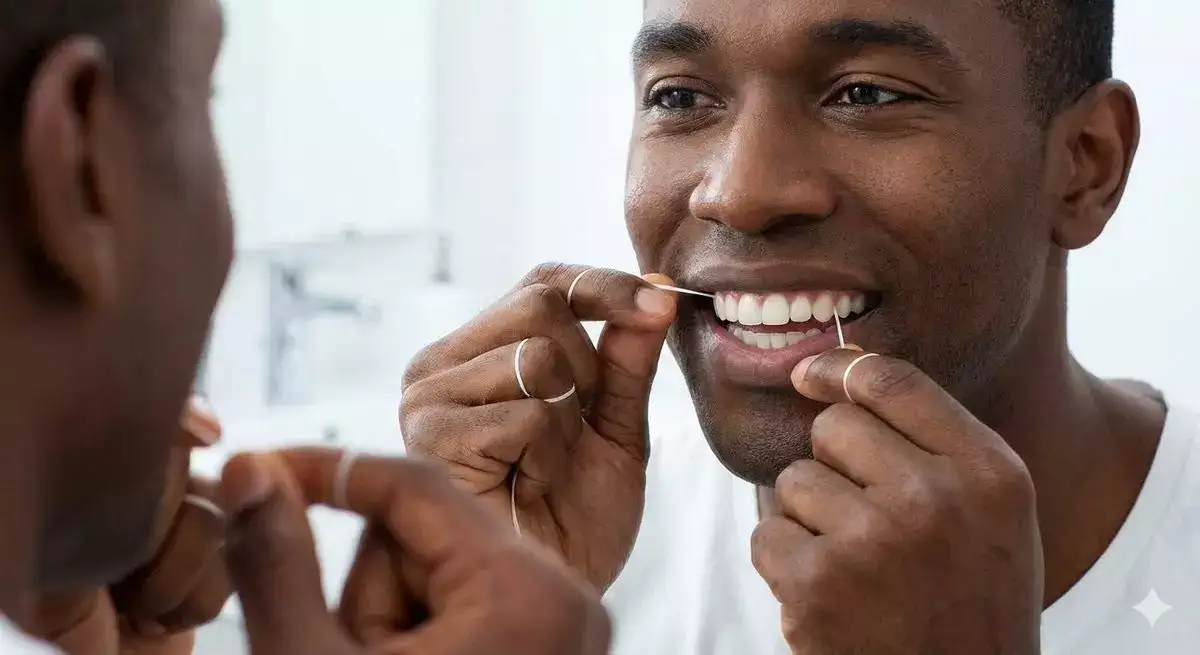
Waiting until a tooth hurts before visiting the dentist means the problem is already advanced. Pain is often a late-stage sign of cavities or gum disease, and early professional check-ups can catch issues before they worsen. Regular dental visits are a pillar of preventive care.
1. Say No to Antibacterial Mouthwash
Many people use antibacterial mouthwash believing it promotes oral health, but Dr. Burhenne warns that such products can disturb the oral microbiome, the community of beneficial bacteria that naturally protects your mouth. The antibacterial agents may even affect systemic health, as healthy oral bacteria are linked to blood pressure regulation. Instead, he suggests oil pulling, swishing edible oil like coconut oil in the mouth as a gentler alternative to support overall oral hygiene.2. Stop Brushing Immediately After Meals
While it might feel instinctive to brush right after eating, doing so can actually damage tooth enamel, especially if the meal was acidic (like citrus fruits, wine, or soda). Acid weakens enamel, and brushing immediately after can scrub it away. Dr. Burhenne recommends waiting 30-45 minutes before brushing to allow saliva to naturally neutralise acids and strengthen enamel again.You may also like
 Fake Lawrence Bishnoi gang operatives held in Mumbai for Rs 20 lakh ransom bid
 "My Faith in justice is restored": Mother welcomes Supreme Court verdict overturning Allahabad HC order
- Tamil Nadu elections: DMDK joining DMK camp setback for NDA, faces backlash from BJP
- BJP MLA Bishnu Prasad Sharma joins TMC ahead of West Bengal Assembly polls
- Her age may be old, but her dignity still inspires millions: Mumbai's cleaning lady's silent strength leaves the internet in tears
3. Watch Out for Mouth Breathing in Children
Mouth breathing may seem harmless, but it can be a red flag for underlying airway problems in children, potentially affecting facial growth, posture and sleep quality. Signs like open-mouth posture, a forward head position or dark circles under the eyes shouldn’t be dismissed as a phase. Early evaluation by a dentist or physician can help address potential issues before they impact long-term development.4. Avoid Frequent Teeth Whitening
While everyone loves a bright smile, over-whitening can wear down enamel, which does not regenerate once lost. Repeated whitening treatments, especially within short intervals, can lead to sensitivity and irreversible damage. Moderation is key, and professional guidance is crucial if whitening is desired.5. Don’t Normalize Snoring
Snoring isn’t just a noisy sleep habit, it may indicate a partially blocked airway. This can be linked to serious health issues like cardiovascular disease, cognitive decline and metabolic dysfunction. If snoring is frequent or loud, a medical assessment is recommended.6. Quit Rinsing After Brushing
One of the most surprising tips involves post-brushing routines. Many people rinse with water or mouthwash after brushing, but Dr. Burhenne advises against it. The fluoride (or hydroxyapatite) in toothpaste needs time to work, rinsing washes it away, reducing its protective effect on enamel. Instead, simply spit out the toothpaste foam and leave the fluoride on your teeth to strengthen them.7. Don’t Wait for Pain to Visit the Dentist
Waiting until a tooth hurts before visiting the dentist means the problem is already advanced. Pain is often a late-stage sign of cavities or gum disease, and early professional check-ups can catch issues before they worsen. Regular dental visits are a pillar of preventive care.






More from our partners


Loving Newspoint? Download the app now
