
The Mystical Story of Panch Kedar: Where Myth Meets the Mighty Himalayas

Have you ever felt that heavy weight of guilt after a tough choice, like arguing with a loved one or making a decision that changed everything? Imagine carrying that burden after a massive war where brothers fought brothers. That's where the story of Panch Kedar begins. It's not just an old myth, it's a timeless tale of redemption, faith, and the Himalayas' raw power that still draws lakhs of pilgrims every year. As someone who's trekked these paths myself, I can tell you, standing at these temples feels like the mountains themselves are whispering ancient secrets. In this article, we'll journey through the Panch Kedar story together, like chatting over chai, uncovering how five Shiva shrines came to be and why they matter today.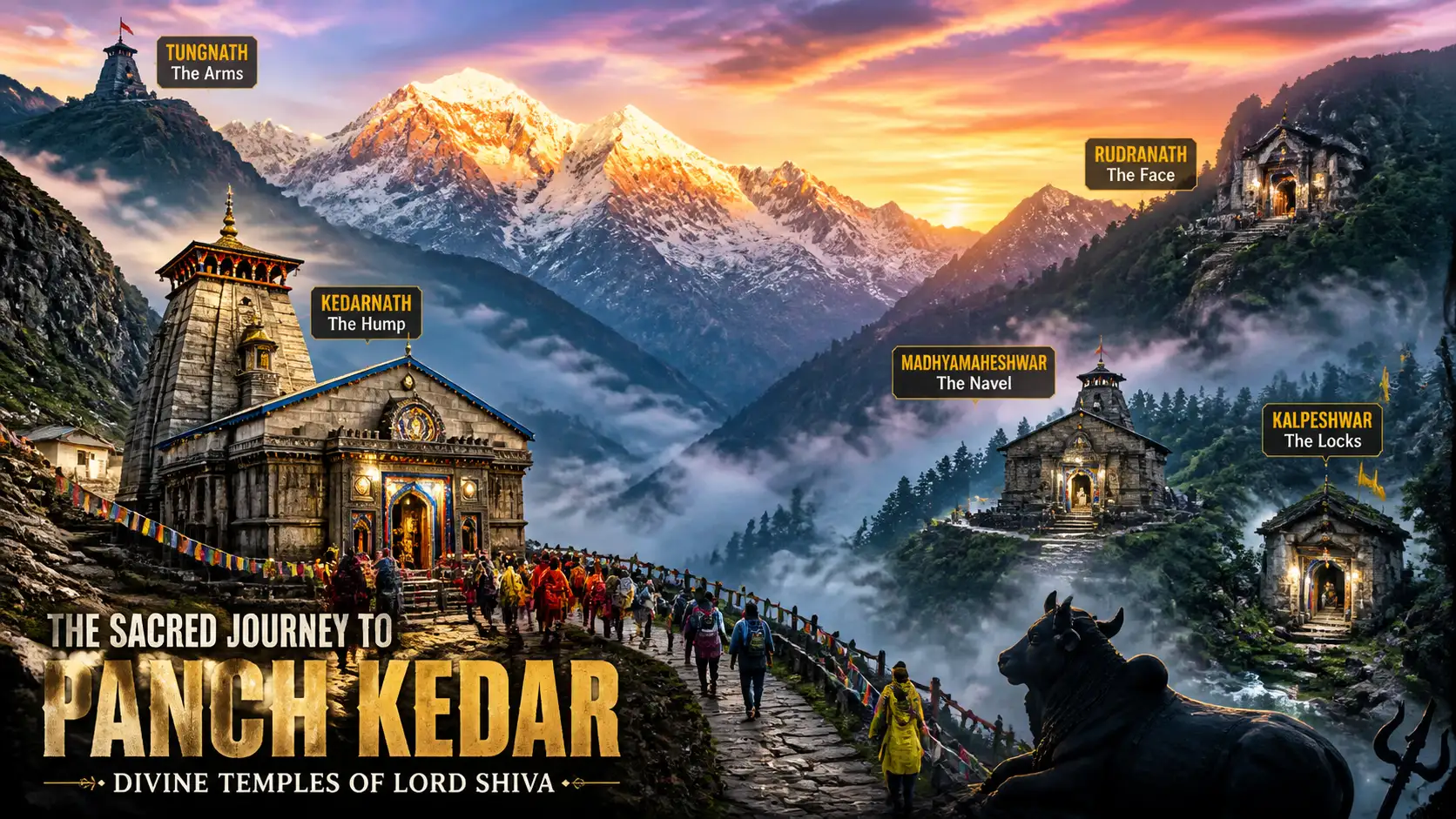
The Pandavas' Heavy Hearts After the War
The Kurukshetra battlefield is silent now, but the Pandava brothers, Yudhishthira, Bhima, Arjuna, Nakula, and Sahadeva, sit amid the ruins, their victory tasting like ashes. They had won against their Kaurava cousins, but at what cost? Rivers of blood, fallen gurus, and kin lying lifeless. The guilt gnawed at them, especially since Lord Krishna had guided their war chariot. They knew they needed divine pardon, and who better than Lord Shiva, the destroyer and redeemer?
Think of it like a family feud that escalates into something irreversible. You win the argument, but regret lingers. The Pandavas felt that amplified a thousand times. Krishna, ever the wise friend, pointed them toward atonement. "Seek Shiva," he said. "Only he can cleanse your souls." Off they went, leaving their kingdom behind, on a spiritual quest that would birth the Panch Kedar Yatra .
This moment sets the stage for everything. It's relatable because we all chase forgiveness in our lives, whether through apologies or quiet reflection. The brothers' journey reminds us that true peace comes from facing our past head on.
Shiva's Clever Disguise in the Himalayas
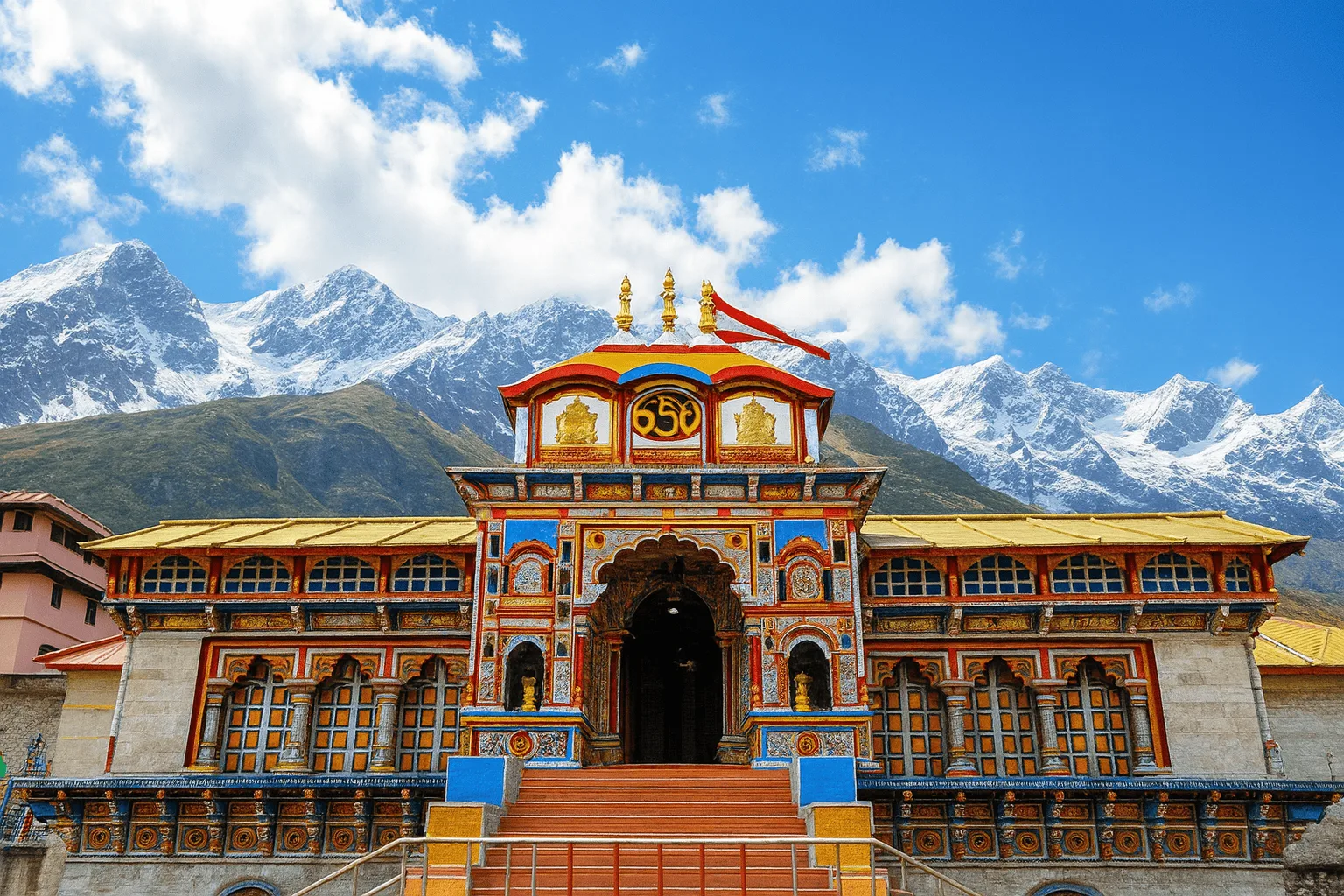
The Pandavas searched high and low, even hitting up Varanasi, Shiva's holy playground. But Shiva was furious about the war's carnage. He didn't want to bless hands stained with so much death. So, he vanished into the Garhwal Himalayas, turning into a mighty bull amid a herd of grazing cattle near Guptakashi. Bulls, deer, and even elusive snow leopards roamed those meadows, but this bull stood out, radiating divine energy.
Bhima, the burly wrestler among the brothers, spotted him first. "That's no ordinary animal," he thought, charging forward. He grabbed the bull's tail or hindquarters, determined not to let Shiva slip away again. What happened next was pure magic. The bull dove into the earth, vanishing underground. But Shiva, in his playful yet profound way, didn't fully escape. His body parts popped up in five different spots across the rugged terrain, like a divine puzzle for the brothers to solve.
Transitioning smoothly, this chase scene is the heart of the Panch Kedar origin. It's like hide and seek with the gods, where the stakes are eternal salvation. Pilgrims today retrace these steps, feeling that same thrill of discovery.
How Shiva's Body Parts Created the Five Temples
Now, let's break down the miracle. Each part of Shiva's bull form emerged as a sacred lingam, a symbol of his infinite power. These became the Panch Kedar temples, each with its unique vibe and challenge. Imagine trekking through pine forests, past Himalayan black bears and colorful monal pheasants, to honor these sites. Here's the detailed lineup.
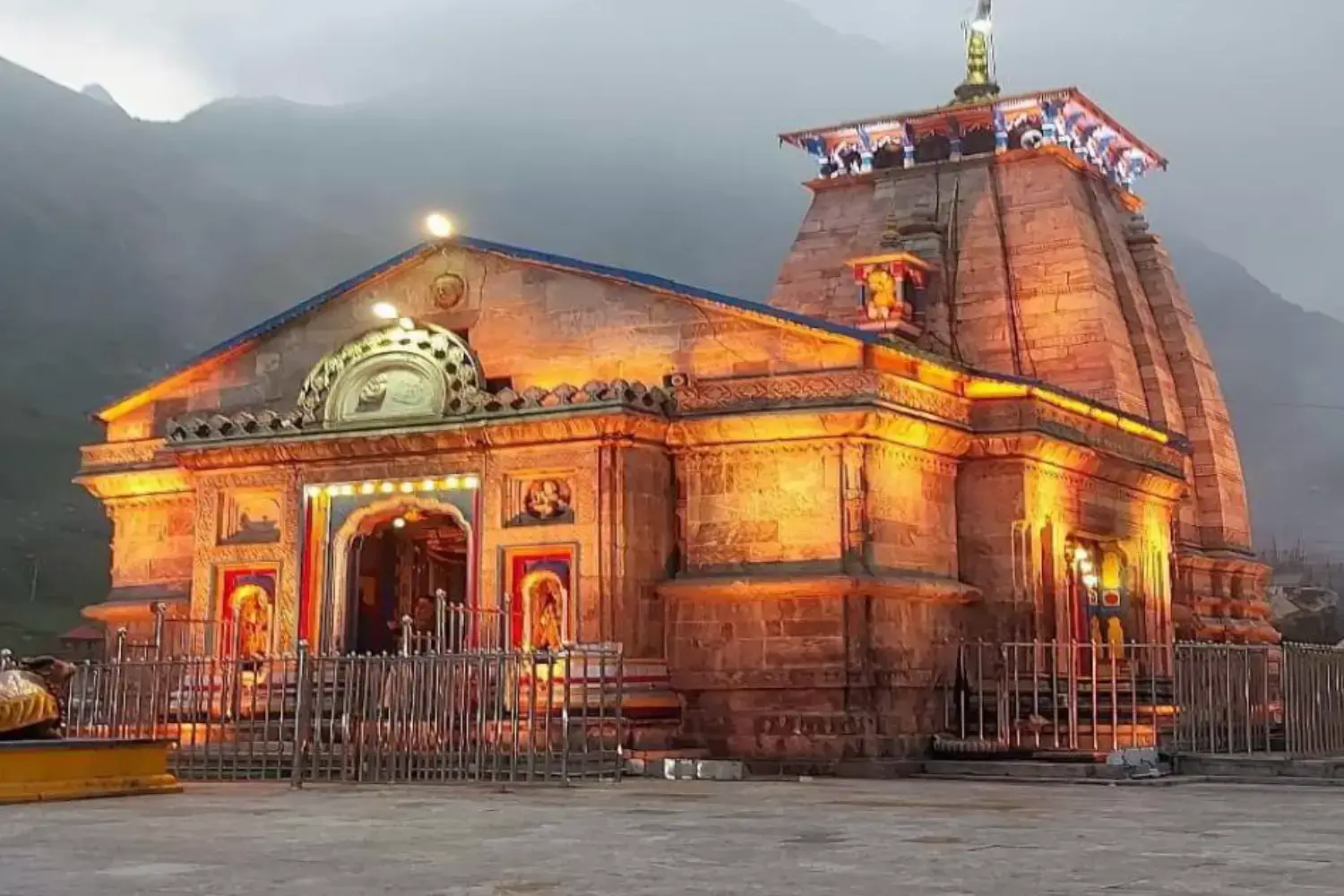
First up, Kedarnath, where Shiva's hump (or back) surfaced. Perched at 3,583 meters, it's the king of the Panch Kedar temples. The Pandavas built the stone structure here, and it's said Shiva appeared in his full glory to bless them. Today, it's a grueling 22 km trek from Gaurikund, but that first glimpse of the temple against snow peaks? Worth every blister.
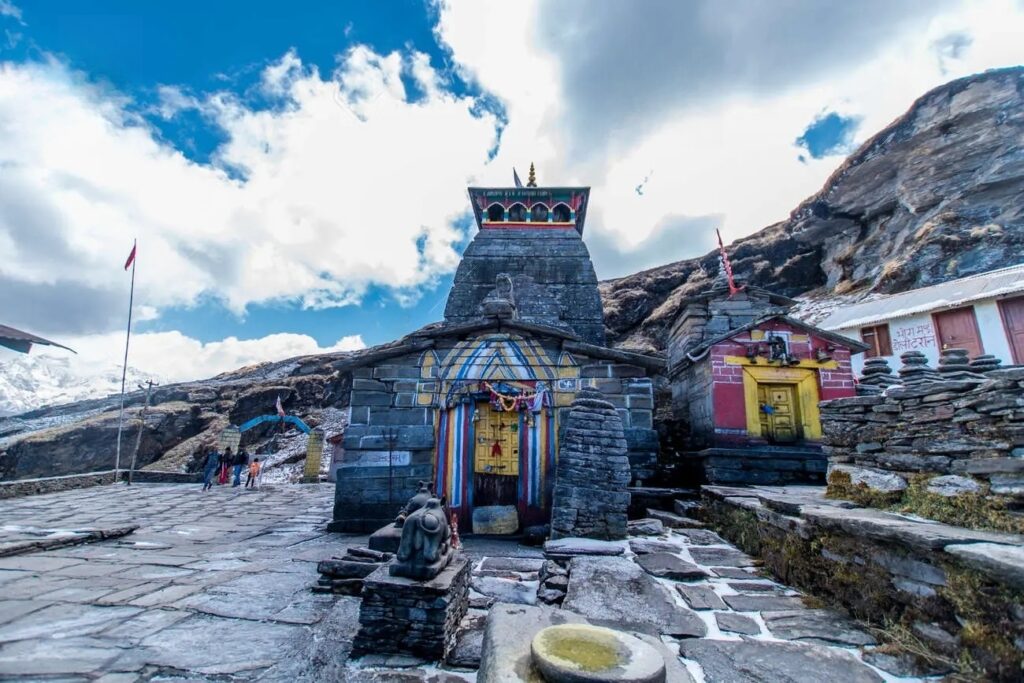
Next, Tungnath, Shiva's arms. At a dizzying 3,680 meters, it's the highest Shiva shrine in the world. A moderate 5 km hike from Chopta gets you there, with rhododendron trails buzzing with bees and butterflies. The arms symbolize strength, mirroring Bhima's mighty grip.
Then, Rudranath, Shiva's face. Tucked in an alpine meadow at 3,600 meters, this one's remote, reachable via 20 km trails from Sagar village. Face the fierce Nahuti form of Shiva here, surrounded by oak forests where langurs swing from branches.
Madmaheshwar (sometimes called Madhyamaheshwar) hosts Shiva's navel, at 3,497 meters near Gaundar village. A 16 km trek reveals a belly shaped lingam in a flower filled valley, perfect for those quiet, soul stirring moments.
Finally, Kalpeshwar, Shiva's locks of hair, at 2,200 meters in a lush ravine. Unlike the others, it's open all year, even in snow, with a short 6 km path from Urgam. Hair represents life force, and devotees whisper prayers amid eternal springs.
Each temple completes the body, teaching that divinity is whole yet scattered, much like our own fragmented lives.
The Pandavas' Final Redemption and Legacy
With temples built, the brothers weren't done. They returned to Kedarnath for yagnas and meditation. Legends say Shiva, moved by their devotion, forgave them fully. Yudhishthira even became the first king priest here. Their mother Kunti and Draupadi joined, adding a feminine touch to the saga. From Kedarnath, they ascended Swargarohini peak straight to heaven, closing their earthly chapter.
It's like finishing a long therapy session or a cross country road trip for closure. The Panch Kedar story isn't linear, it's a loop of sin, chase, creation, and peace. Over centuries, rawans and kings patronized these sites, blending myth with history. The Adi Shankaracharya in the 8th century formalized the pilgrimage, making it a bucket list Yatra.
In modern times, with the Tungnath Kapat opening as you mentioned, lakhs flock here post April. Trekkers dodge wild goats and share stories around campfires, keeping the legend alive.
Why Panch Kedar Still Captivates Hearts Today
Beyond the story, Panch Kedar is a spiritual detox. Covering 170+ kms by foot tests your body while healing the soul. Each temple's unique opening dates, build anticipation, like waiting for a festival. Wildlife adds thrill, spot a Himalayan tahr on Rudranath trails or hear barking deer at dusk.
This tale matters because it shows redemption is possible, no matter the mess. Whether you're a devotee chanting "Hara Mahadev" or an adventurer chasing sunrises, Panch Kedar welcomes all.
Wrapping Up the Himalayan Miracle
The story of Panch Kedar started with guilt but ends in grace, a bull's escape forging five eternal abodes. From Kurukshetra's fields to Himalayan heights, it's a reminder that gods play games we can join. Next time you're in Uttarakhand, lace up those boots. Who knows? Shiva might reveal a piece of the puzzle just for you. Safe travels, and may your sins melt like morning snow.
The Pandavas' Heavy Hearts After the War
The Kurukshetra battlefield is silent now, but the Pandava brothers, Yudhishthira, Bhima, Arjuna, Nakula, and Sahadeva, sit amid the ruins, their victory tasting like ashes. They had won against their Kaurava cousins, but at what cost? Rivers of blood, fallen gurus, and kin lying lifeless. The guilt gnawed at them, especially since Lord Krishna had guided their war chariot. They knew they needed divine pardon, and who better than Lord Shiva, the destroyer and redeemer?
Think of it like a family feud that escalates into something irreversible. You win the argument, but regret lingers. The Pandavas felt that amplified a thousand times. Krishna, ever the wise friend, pointed them toward atonement. "Seek Shiva," he said. "Only he can cleanse your souls." Off they went, leaving their kingdom behind, on a spiritual quest that would birth the Panch Kedar Yatra .
This moment sets the stage for everything. It's relatable because we all chase forgiveness in our lives, whether through apologies or quiet reflection. The brothers' journey reminds us that true peace comes from facing our past head on.
Shiva's Clever Disguise in the Himalayas
The Pandavas searched high and low, even hitting up Varanasi, Shiva's holy playground. But Shiva was furious about the war's carnage. He didn't want to bless hands stained with so much death. So, he vanished into the Garhwal Himalayas, turning into a mighty bull amid a herd of grazing cattle near Guptakashi. Bulls, deer, and even elusive snow leopards roamed those meadows, but this bull stood out, radiating divine energy.
Bhima, the burly wrestler among the brothers, spotted him first. "That's no ordinary animal," he thought, charging forward. He grabbed the bull's tail or hindquarters, determined not to let Shiva slip away again. What happened next was pure magic. The bull dove into the earth, vanishing underground. But Shiva, in his playful yet profound way, didn't fully escape. His body parts popped up in five different spots across the rugged terrain, like a divine puzzle for the brothers to solve.
Transitioning smoothly, this chase scene is the heart of the Panch Kedar origin. It's like hide and seek with the gods, where the stakes are eternal salvation. Pilgrims today retrace these steps, feeling that same thrill of discovery.
How Shiva's Body Parts Created the Five Temples
Now, let's break down the miracle. Each part of Shiva's bull form emerged as a sacred lingam, a symbol of his infinite power. These became the Panch Kedar temples, each with its unique vibe and challenge. Imagine trekking through pine forests, past Himalayan black bears and colorful monal pheasants, to honor these sites. Here's the detailed lineup.
First up, Kedarnath, where Shiva's hump (or back) surfaced. Perched at 3,583 meters, it's the king of the Panch Kedar temples. The Pandavas built the stone structure here, and it's said Shiva appeared in his full glory to bless them. Today, it's a grueling 22 km trek from Gaurikund, but that first glimpse of the temple against snow peaks? Worth every blister.
Next, Tungnath, Shiva's arms. At a dizzying 3,680 meters, it's the highest Shiva shrine in the world. A moderate 5 km hike from Chopta gets you there, with rhododendron trails buzzing with bees and butterflies. The arms symbolize strength, mirroring Bhima's mighty grip.
Then, Rudranath, Shiva's face. Tucked in an alpine meadow at 3,600 meters, this one's remote, reachable via 20 km trails from Sagar village. Face the fierce Nahuti form of Shiva here, surrounded by oak forests where langurs swing from branches.
Madmaheshwar (sometimes called Madhyamaheshwar) hosts Shiva's navel, at 3,497 meters near Gaundar village. A 16 km trek reveals a belly shaped lingam in a flower filled valley, perfect for those quiet, soul stirring moments.
Finally, Kalpeshwar, Shiva's locks of hair, at 2,200 meters in a lush ravine. Unlike the others, it's open all year, even in snow, with a short 6 km path from Urgam. Hair represents life force, and devotees whisper prayers amid eternal springs.
Each temple completes the body, teaching that divinity is whole yet scattered, much like our own fragmented lives.
The Pandavas' Final Redemption and Legacy
With temples built, the brothers weren't done. They returned to Kedarnath for yagnas and meditation. Legends say Shiva, moved by their devotion, forgave them fully. Yudhishthira even became the first king priest here. Their mother Kunti and Draupadi joined, adding a feminine touch to the saga. From Kedarnath, they ascended Swargarohini peak straight to heaven, closing their earthly chapter.
It's like finishing a long therapy session or a cross country road trip for closure. The Panch Kedar story isn't linear, it's a loop of sin, chase, creation, and peace. Over centuries, rawans and kings patronized these sites, blending myth with history. The Adi Shankaracharya in the 8th century formalized the pilgrimage, making it a bucket list Yatra.
In modern times, with the Tungnath Kapat opening as you mentioned, lakhs flock here post April. Trekkers dodge wild goats and share stories around campfires, keeping the legend alive.
Why Panch Kedar Still Captivates Hearts Today
Beyond the story, Panch Kedar is a spiritual detox. Covering 170+ kms by foot tests your body while healing the soul. Each temple's unique opening dates, build anticipation, like waiting for a festival. Wildlife adds thrill, spot a Himalayan tahr on Rudranath trails or hear barking deer at dusk.
This tale matters because it shows redemption is possible, no matter the mess. Whether you're a devotee chanting "Hara Mahadev" or an adventurer chasing sunrises, Panch Kedar welcomes all.
Wrapping Up the Himalayan Miracle
The story of Panch Kedar started with guilt but ends in grace, a bull's escape forging five eternal abodes. From Kurukshetra's fields to Himalayan heights, it's a reminder that gods play games we can join. Next time you're in Uttarakhand, lace up those boots. Who knows? Shiva might reveal a piece of the puzzle just for you. Safe travels, and may your sins melt like morning snow.
Next Story