
Sugar and Teeth: What Really Happens Inside Your Mouth

Sugar is a common part of our daily diet, but many people don’t realise what actually happens in the mouth after eating something sweet. Sugar itself doesn’t directly damage teeth it's the chain reaction it triggers that leads to tooth decay . Understanding this process can help you protect your teeth more effectively.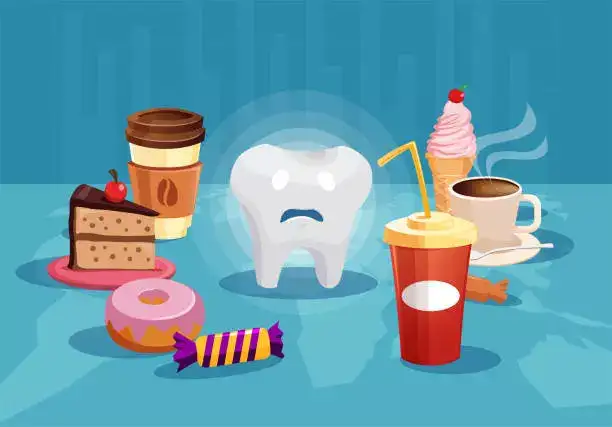
Your Mouth Is Full of Bacteria
The mouth naturally contains bacteria that form a sticky layer called plaque on the teeth. These bacteria are always present, but problems begin when they get too much sugar to feed on.
Sugar Feeds Harmful Bacteria
When you eat sugary foods or drink sweet beverages, bacteria in plaque feed on the sugar. As they digest it, they produce acids as a by-product. These acids are the real cause of tooth damage.
Acid Attacks Your Tooth Enamel
Tooth enamel is the hard outer layer that protects your teeth. The acids produced by bacteria start to weaken and dissolve this enamel. Each acid attack can last for about 20–30 minutes after eating sugar.
Repeated Exposure Leads to Cavities
If sugary foods are consumed frequently, your teeth face constant acid attacks. Over time, weakened enamel breaks down, leading to small holes in the teeth known as cavities.
Sticky and Liquid Sugars Are the Worst
Sticky sweets cling to teeth longer, giving bacteria more time to create acid. Sugary drinks, including soft drinks and packaged juices, coat the teeth in sugar and are often sipped slowly, increasing damage.
Sugar Reduces Saliva Protection
Saliva plays an important role in neutralising acids and washing away food particles. Frequent sugar intake reduces saliva’s ability to protect teeth, especially if the mouth stays dry.
As enamel wears away, the inner layers of the tooth become exposed. This can cause sensitivity to hot, cold, or sweet foods and increase the risk of pain and infection.
How to Break the Sugar–Decay Cycle
Limiting sugary snacks, drinking water after meals, brushing twice a day with fluoride toothpaste, and flossing daily can interrupt the decay process. Eating sweets with meals instead of between meals also reduces harm.
Sugar affects your teeth by feeding bacteria that produce enamel-damaging acids. It’s not just how much sugar you eat, but how often you consume it that matters most. With smart eating habits and proper oral care, you can protect your teeth while still enjoying sweets in moderation.
Your Mouth Is Full of Bacteria
The mouth naturally contains bacteria that form a sticky layer called plaque on the teeth. These bacteria are always present, but problems begin when they get too much sugar to feed on.Sugar Feeds Harmful Bacteria
When you eat sugary foods or drink sweet beverages, bacteria in plaque feed on the sugar. As they digest it, they produce acids as a by-product. These acids are the real cause of tooth damage.Acid Attacks Your Tooth Enamel
Tooth enamel is the hard outer layer that protects your teeth. The acids produced by bacteria start to weaken and dissolve this enamel. Each acid attack can last for about 20–30 minutes after eating sugar. Repeated Exposure Leads to Cavities
If sugary foods are consumed frequently, your teeth face constant acid attacks. Over time, weakened enamel breaks down, leading to small holes in the teeth known as cavities.Sticky and Liquid Sugars Are the Worst
Sticky sweets cling to teeth longer, giving bacteria more time to create acid. Sugary drinks, including soft drinks and packaged juices, coat the teeth in sugar and are often sipped slowly, increasing damage. Sugar Reduces Saliva Protection
Saliva plays an important role in neutralising acids and washing away food particles. Frequent sugar intake reduces saliva’s ability to protect teeth, especially if the mouth stays dry. From Enamel Loss to Sensitivity
As enamel wears away, the inner layers of the tooth become exposed. This can cause sensitivity to hot, cold, or sweet foods and increase the risk of pain and infection.
How to Break the Sugar–Decay Cycle
Limiting sugary snacks, drinking water after meals, brushing twice a day with fluoride toothpaste, and flossing daily can interrupt the decay process. Eating sweets with meals instead of between meals also reduces harm. Sugar affects your teeth by feeding bacteria that produce enamel-damaging acids. It’s not just how much sugar you eat, but how often you consume it that matters most. With smart eating habits and proper oral care, you can protect your teeth while still enjoying sweets in moderation.
Next Story