Summer, Monsoon, Winter Pregnancy: How To Cope With Seasonal Changes During Pregnancy


Seasonal changes can be a difficult experience for expectant mothers. The extreme heat of summer, damp monsoon air, or the cold months of winter, each season has different effects on health. Pregnant women are more sensitive to seasonal changes, and shifts in temperature, humidity, and air quality can exacerbate the symptoms.
Pregnant women’s immune system is naturally weak to prevent attacking the foetus. This makes maternal health more prone to ingestion, dehydration, fatigue, and respiratory problems. The rise and fall of hormones don't help with the discomfort caused by seasonal changes. To protect and nurture the child, expectant mothers should make mindful decisions and manage temperature.
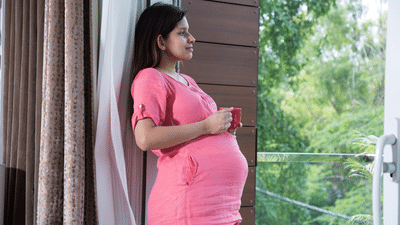
How Seasonal Changes Affect Pregnancy
Summer’s scorching heat, winter’s extreme cold, and monsoon’s changing environment can trigger nasal infections, summer stroke, dehydration, swelling, among others. Let's understand the various ways in which seasonal changes affect pregnancy:
Seasonal changes also affect pregnancy rates and embryo quality for women who are undergoing fertility treatments. Pregnancy rates and embryo quality tend to be higher during autumn.
Temperature changes also influence the natural conception rate.
Extreme heat exposure and heatwaves can hurt women in the first and third trimesters.
Heat waves may trigger maternal stress and an inflammatory response.
Colder months may increase pregnancy hypertension and preeclampsia due to changes in blood pressure regulation and fluctuating plasma volume.
Seasonal changes also alter the body's circadian rhythm, melatonin levels, and hormone functions, which may impair fertility and foetal development.
Summer Pregnancy Care
Indian summers soar more than 40°C, making it hard for pregnant women. With heatwaves and extreme temperatures, expecting mothers may face dehydration, electrolyte imbalance, heat rash, fainting, and exhaustion.
How to combat?
Monsoon Pregnancy Care
Monsoon weather makes the environment damp and the air chilly, which encourages the growth of bacteria, viruses, and other pathogens that can lead to infection. Rainwater may contaminate water and food, leading to gastrointestinal diseases. Mosquito-borne diseases, including dengue and malaria, are life-threatening for mothers and growing foetuses.
How to combat?
Winter Pregnancy Care
Winters in South India are generally mild and comfortable, whereas winters in North India are severe. The cold air can irritate skin, suck the moisture, and make your body hard and stiff. Lack of sunlight can lead to vitamin D deficiency.
How to combat?
How to Boost Immunity During Pregnancy
The foetus growing is a foreign object for the mother's body, which immunity might find threatening and start to attack. To prevent the body from rejecting the baby, the body naturally reduces the immune system. Meanwhile, a strong immune system is also crucial in preventing allergies and infections. Here are a few ways you can improve your immunity and keep the seasonal diseases at bay:
Take Prenatal vitamins: Most of the supplements you take are specifically designed to support the growth of the baby. With a balanced diet, consider adding prenatal vitamins to boost immunity and overall health.
Every season is beautiful and important for a healthier environment and a better world. But for pregnant women, seasonal changes make their bodies more prone to developing disease due to weak immunity and hormonal changes. While light climate change does not cause a major effect, severe humidity and cold can be hard to deal with.
Mothers should also prioritise their mental health. Climate anxiety can also complicate pregnancy. Stress and anxiety due to heatwave and extreme cold may affect foetal growth and even result in preterm or stillbirth. It's essential to maintain a stable temperature both inside and outside for expectant mothers.
Whether you’re pregnant, a new mom, or navigating postpartum, you don’t have to do it alone. Join oursupport group to connect, share, and support one another.
FAQs on Summer, Monsoon, Winter Pregnancy: How To Cope With Seasonal Changes During PregnancyDoes a cold climate affect pregnancy?
Extreme cold may cause respiratory issues, resulting in preterm or stillbirth and lower birth weight. Maintaining the right temperature is important. Can temperature cause miscarriage?
There are possibilities that extremely high or low temperatures may result in adverse pregnancy outcomes, including miscarriage or preterm birth.
Pregnant women’s immune system is naturally weak to prevent attacking the foetus. This makes maternal health more prone to ingestion, dehydration, fatigue, and respiratory problems. The rise and fall of hormones don't help with the discomfort caused by seasonal changes. To protect and nurture the child, expectant mothers should make mindful decisions and manage temperature.
How Seasonal Changes Affect Pregnancy
Summer’s scorching heat, winter’s extreme cold, and monsoon’s changing environment can trigger nasal infections, summer stroke, dehydration, swelling, among others. Let's understand the various ways in which seasonal changes affect pregnancy:
- It's naturally hard to maintain body temperature and regulate heat while pregnant. Extreme heat may cause preterm birth, lower birthweight, stillbirth, and other pregnancy complications.
Summer Pregnancy Care
Indian summers soar more than 40°C, making it hard for pregnant women. With heatwaves and extreme temperatures, expecting mothers may face dehydration, electrolyte imbalance, heat rash, fainting, and exhaustion.
How to combat?
- To prevent dehydration, which can cause fatigue, dizziness, and muscle cramps, drink at least 8 to 12 glasses of water daily.
- Instead of just water, add fluids rich in electrolytes. Coconut water and buttermilk help make drinking water effortless.
- Carry a water bottle with you and sip on it throughout the day.
- Fresh fruits and vegetables are easy to digest and light on the stomach.
- Make fruit chaat or a vegetable salad and add seasonal fruits, such as watermelon, mango, oranges, and cucumber, for that extra boost of hydration and nutrients.
- Light-coloured, loose dresses made with breathable fabrics are recommended.
- Maternity wear, or night gowns, will help you beat the summer.
- Indian skin needs SPF 30+ sunscreen to protect against UV exposure and sun damage.
- Always cover your skin with hats and umbrellas, and avoid going out during the peak hours of the day.
Monsoon Pregnancy Care
Monsoon weather makes the environment damp and the air chilly, which encourages the growth of bacteria, viruses, and other pathogens that can lead to infection. Rainwater may contaminate water and food, leading to gastrointestinal diseases. Mosquito-borne diseases, including dengue and malaria, are life-threatening for mothers and growing foetuses.
How to combat?
- The cosy climate may trigger street food cravings. Avoid street food and opt for home-cooked, nutritious meals made with immune-boosting ingredients.
- Wash your hands and legs before and after eating with mild soap. Don't share toiletries and personal items with others.
- Frequently disinfect your home to kill mould and fungus.
- Monsoon is the season of mosquitoes. Close windows and doors with a mosquito net and use a pregnancy-safe mosquito repellent for extra protection.
- Keep the floor dry and wear slip-resistant footwear.
- Bath with warm water infused with herbal ingredients to kill germs and bacteria.
- Stay indoors as much as possible and seek medical support if you notice symptoms of the flu.
Winter Pregnancy Care
Winters in South India are generally mild and comfortable, whereas winters in North India are severe. The cold air can irritate skin, suck the moisture, and make your body hard and stiff. Lack of sunlight can lead to vitamin D deficiency.
How to combat?
- Dress in layers and cover every area well
- Apply moisturiser or body butter to prevent dryness
- Only eat warm foods with ghee, nuts and seasonal foods
- Drink warm beverages such as soups, infused water, and herbal teas.
- Use humidifiers to maintain moisture
- Sleep well and long in a comfortable environment
How to Boost Immunity During Pregnancy
The foetus growing is a foreign object for the mother's body, which immunity might find threatening and start to attack. To prevent the body from rejecting the baby, the body naturally reduces the immune system. Meanwhile, a strong immune system is also crucial in preventing allergies and infections. Here are a few ways you can improve your immunity and keep the seasonal diseases at bay:
- Immunity-Boosting Diet: Foods such as garlic, sweet potatoes, nuts and seeds, green tea, milk, eggs, lentils, fruits, turmeric, yoghurt, and sourdough bread are loaded with immune-boosting vitamins and minerals.
- Optimal Hydration: Adequate fluid intake enhances digestion, helps flush out toxins, and maintains temperature.
- Physical Activity: Engaging in moderate and regular physical activity boosts circulation and the immune system.
- Rest: Pregnant women should aim for 8 to 9 hours of sleep every night. Optimal rest allows the body to recover and the nerves to calm, thereby maintaining cortisol levels, all of which are crucial for boosting the immune system.
- Proper Hygiene: Germs and bacteria can be transmitted through skin-to-skin contact with people who have cold or fever symptoms. Always wash your hands, face, and legs before entering your home.
Every season is beautiful and important for a healthier environment and a better world. But for pregnant women, seasonal changes make their bodies more prone to developing disease due to weak immunity and hormonal changes. While light climate change does not cause a major effect, severe humidity and cold can be hard to deal with.
Mothers should also prioritise their mental health. Climate anxiety can also complicate pregnancy. Stress and anxiety due to heatwave and extreme cold may affect foetal growth and even result in preterm or stillbirth. It's essential to maintain a stable temperature both inside and outside for expectant mothers.
Whether you’re pregnant, a new mom, or navigating postpartum, you don’t have to do it alone. Join our
FAQs on Summer, Monsoon, Winter Pregnancy: How To Cope With Seasonal Changes During Pregnancy
Extreme cold may cause respiratory issues, resulting in preterm or stillbirth and lower birth weight. Maintaining the right temperature is important.
There are possibilities that extremely high or low temperatures may result in adverse pregnancy outcomes, including miscarriage or preterm birth.
Next Story