
Summer Pet Care Guide: Essential Do’s and Don’ts Every Pet Parent Should Know

Why Summer Can Be Risky for Pets: Pets are more vulnerable to heat than humans because they have limited ways to cool themselves. Dogs, for instance, primarily regulate their body temperature through panting, which becomes less effective in extreme heat. This increases the risk of dehydration, heat exhaustion, and heatstroke - conditions that can quickly turn life-threatening if ignored.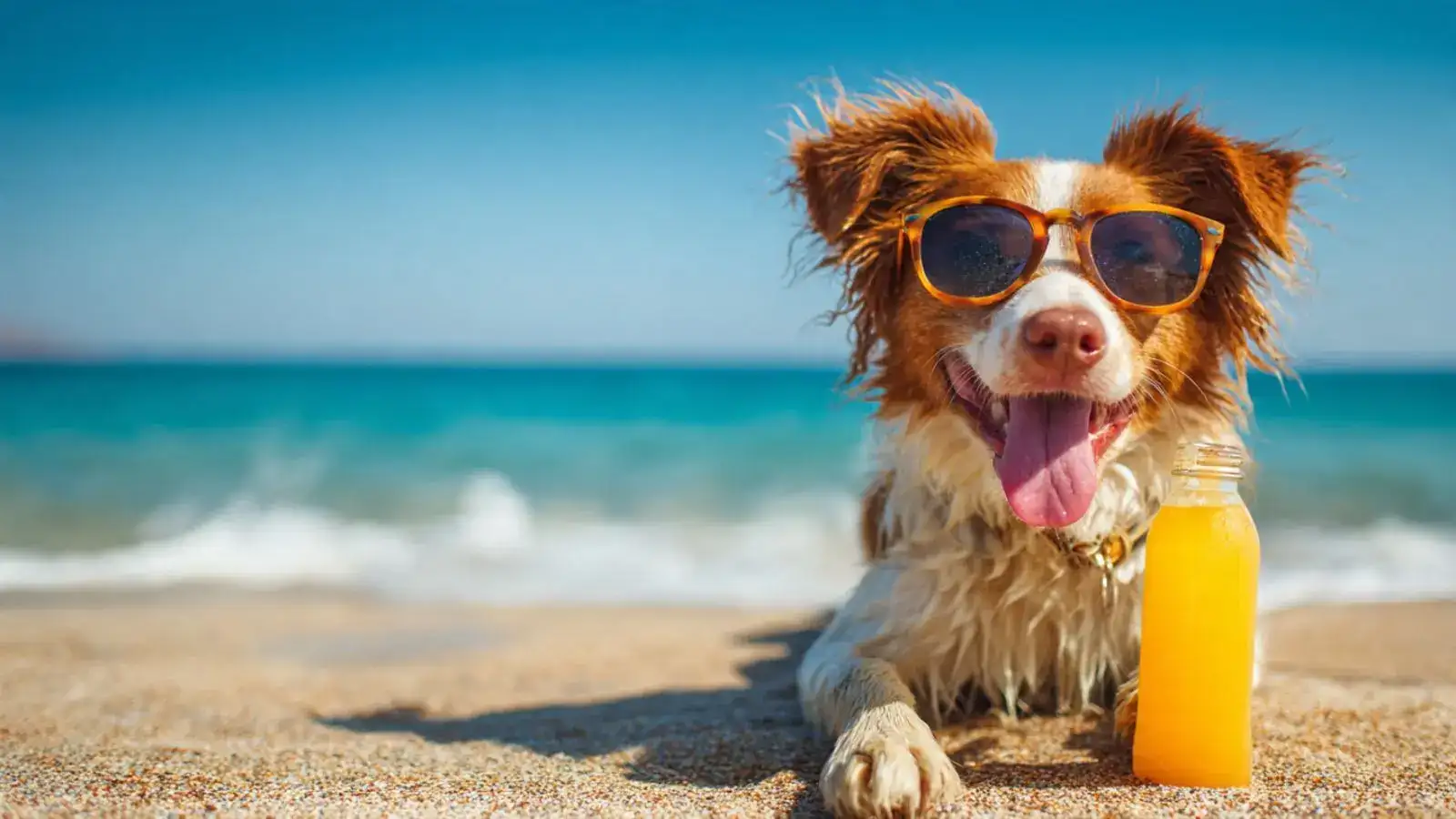
Do: Keep Them Hydrated
Always ensure your pet has access to fresh, clean water throughout the day. Place multiple water bowls around your home, especially in shaded areas. During outdoor activities, carry water for your pet just as you would for yourself.
Don’t: Leave Pets in Parked Cars
Even with the windows slightly open, temperatures inside a parked car can rise rapidly within minutes. This can lead to severe heatstroke or even death. It’s best to avoid leaving pets unattended in vehicles altogether.
Do: Provide Cool and Shaded Spaces
Whether indoors or outdoors, pets need a cool place to rest. Use fans, cooling mats, or air conditioning if possible. For outdoor pets, ensure shaded areas are available at all times.
Don’t: Walk Them During Peak Heat Hours
Avoid taking your pet out for walks between late morning and early evening when temperatures are highest. Early mornings and evenings are safer. Hot pavements can burn paw pads - if it’s too hot for your hand, it’s too hot for their paws.
Do: Watch for Signs of Heatstroke
Symptoms include excessive panting, drooling, vomiting, weakness, or confusion. If you notice any of these signs, move your pet to a cooler place immediately and seek veterinary care.
Don’t: Overfeed or Overexert
Heavy meals and intense physical activity can increase body heat. Opt for smaller, lighter meals and moderate exercise during the summer months.
Do: Groom Regularly (But Carefully)
Regular grooming helps remove excess fur, allowing better air circulation. However, avoid shaving pets completely unless recommended by a veterinarian, as their coat also protects against sunburn.
Don’t: Ignore Parasite Prevention
Warm weather increases the risk of fleas, ticks, and other parasites. Stay consistent with preventive treatments and check your pet regularly.
Summer can be enjoyable for pets if the right precautions are taken. By following these simple do’s and don’ts, pet parents can protect their companions from heat-related risks and ensure they stay healthy, safe, and comfortable throughout the season.
Do: Keep Them Hydrated
Always ensure your pet has access to fresh, clean water throughout the day. Place multiple water bowls around your home, especially in shaded areas. During outdoor activities, carry water for your pet just as you would for yourself.
Don’t: Leave Pets in Parked Cars
Even with the windows slightly open, temperatures inside a parked car can rise rapidly within minutes. This can lead to severe heatstroke or even death. It’s best to avoid leaving pets unattended in vehicles altogether.
Do: Provide Cool and Shaded Spaces
Whether indoors or outdoors, pets need a cool place to rest. Use fans, cooling mats, or air conditioning if possible. For outdoor pets, ensure shaded areas are available at all times.
Don’t: Walk Them During Peak Heat Hours
Avoid taking your pet out for walks between late morning and early evening when temperatures are highest. Early mornings and evenings are safer. Hot pavements can burn paw pads - if it’s too hot for your hand, it’s too hot for their paws.
Do: Watch for Signs of Heatstroke
Symptoms include excessive panting, drooling, vomiting, weakness, or confusion. If you notice any of these signs, move your pet to a cooler place immediately and seek veterinary care.
Don’t: Overfeed or Overexert
Heavy meals and intense physical activity can increase body heat. Opt for smaller, lighter meals and moderate exercise during the summer months.
Do: Groom Regularly (But Carefully)
Regular grooming helps remove excess fur, allowing better air circulation. However, avoid shaving pets completely unless recommended by a veterinarian, as their coat also protects against sunburn.
Don’t: Ignore Parasite Prevention
Warm weather increases the risk of fleas, ticks, and other parasites. Stay consistent with preventive treatments and check your pet regularly.
Summer can be enjoyable for pets if the right precautions are taken. By following these simple do’s and don’ts, pet parents can protect their companions from heat-related risks and ensure they stay healthy, safe, and comfortable throughout the season.
Next Story