
Sweet Potatoes and Blood Sugar: Best and Worst Cooking Methods Explained

Sweet potatoes are widely celebrated as a nutritious and wholesome food. Naturally sweet and satisfying, they are rich in essential nutrients such as vitamin A, vitamin C, manganese, fibre, and powerful antioxidants. Research also suggests that sweet potatoes may support immune health and even offer protective, anticancer benefits. Thanks to these qualities, they are a staple in diets across the world from home-cooked meals to restaurant menus.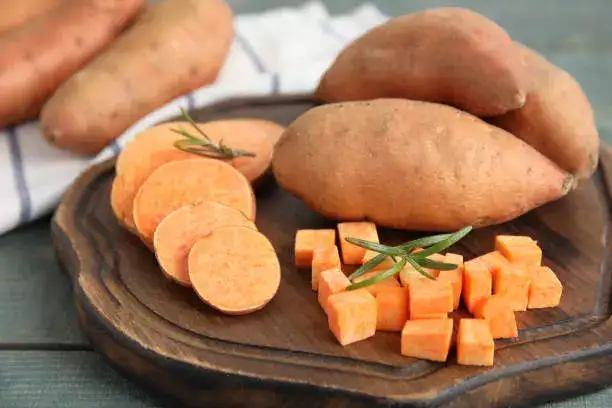
However, what many people don’t realise is that the way sweet potatoes are cooked can significantly change how they affect blood sugar levels. This becomes especially important for people with diabetes , prediabetes, or anyone trying to maintain stable glucose levels.
Low-GI foods digest slowly, leading to gradual rises in blood sugar. High-GI foods, on the other hand, are broken down quickly and cause sharp spikes. Fibre, fat, and protein generally help lower a food’s GI, while heavy processing and certain cooking methods can raise it. Sweet potatoes are unique because their GI can range from low to very high depending entirely on how they are prepared.
At this level, baked sweet potatoes raise blood sugar in a way similar to white rice, baguettes, and instant mashed potatoes. The long cooking time and dry heat break down complex starches into simpler sugars, making them easier for the body to absorb quickly. While baked sweet potatoes are still packed with nutrients, they may not be the best choice for people who need to avoid sudden blood sugar spikes.
From a blood sugar and weight-management perspective, fried sweet potatoes behave less like a vegetable and more like a processed snack, making them the least suitable option for regular consumption.
Longer boiling times help preserve the starch structure and increase resistant starch, which is digested slowly and does not cause rapid blood sugar rises. Keeping the skin on while boiling adds extra fibre, further slowing digestion and improving blood sugar stability.
Boiled sweet potatoes, especially with the skin on, are the most blood sugar-friendly option
For those focused on glucose control, choosing the right cooking method allows you to enjoy sweet potatoes without compromising your health bproving that smart preparation is just as important as smart food choices.
However, what many people don’t realise is that the way sweet potatoes are cooked can significantly change how they affect blood sugar levels. This becomes especially important for people with diabetes , prediabetes, or anyone trying to maintain stable glucose levels.
Why Blood Sugar Response Matters
The impact of food on blood sugar is measured using the glycaemic index (GI). This scale ranks foods from 0 to 100 based on how quickly they raise blood sugar after consumption:- Low GI: 55 or less
- Medium GI: 56–69
- High GI: 70 and above
Low-GI foods digest slowly, leading to gradual rises in blood sugar. High-GI foods, on the other hand, are broken down quickly and cause sharp spikes. Fibre, fat, and protein generally help lower a food’s GI, while heavy processing and certain cooking methods can raise it. Sweet potatoes are unique because their GI can range from low to very high depending entirely on how they are prepared.
Baked Sweet Potatoes : Nutritious but High GI
Baking sweet potatoes leads to the highest glycaemic index among common cooking methods. When peeled and baked for around 45 minutes, their GI can reach as high as 94, placing them firmly in the high-GI category.At this level, baked sweet potatoes raise blood sugar in a way similar to white rice, baguettes, and instant mashed potatoes. The long cooking time and dry heat break down complex starches into simpler sugars, making them easier for the body to absorb quickly. While baked sweet potatoes are still packed with nutrients, they may not be the best choice for people who need to avoid sudden blood sugar spikes.
Fried Sweet Potatoes: A Dessert-Like Effect on Blood Sugar
Fried sweet potatoes can have an even more dramatic impact on blood sugar. Their GI is comparable to sugary and refined foods such as cake, doughnuts, waffles, and jelly beans. Frying not only alters the starch structure but also adds large amounts of oil, increasing calorie density and reducing overall health benefits.From a blood sugar and weight-management perspective, fried sweet potatoes behave less like a vegetable and more like a processed snack, making them the least suitable option for regular consumption.
Boiled Sweet Potatoes: The Most Blood Sugar-Friendly Choice
Boiling is widely considered the best cooking method for blood sugar control. Boiled sweet potatoes typically fall into the low to medium GI range, making them far gentler on glucose levels.Longer boiling times help preserve the starch structure and increase resistant starch, which is digested slowly and does not cause rapid blood sugar rises. Keeping the skin on while boiling adds extra fibre, further slowing digestion and improving blood sugar stability.
Roasted Sweet Potatoes: A Middle Ground
Roasting sweet potatoes usually results in a GI lower than baking but higher than boiling. The dry heat still converts some starch into sugar, but shorter cooking times and lower temperatures can reduce the blood sugar impact compared to baking. Pairing roasted sweet potatoes with fibre-rich vegetables or protein can also help blunt glucose spikes.- Sweet potatoes remain a healthy and nutrient-rich food, but how you cook them makes all the difference.
- Fried and baked sweet potatoes can cause rapid blood sugar spikes
- Roasted versions fall somewhere in between
Boiled sweet potatoes, especially with the skin on, are the most blood sugar-friendly option
For those focused on glucose control, choosing the right cooking method allows you to enjoy sweet potatoes without compromising your health bproving that smart preparation is just as important as smart food choices.
Next Story