
LPG Shortage? 5 Safety Tips Before Using an Induction Cooktop at Home

With LPG shortages and rising cooking gas prices affecting many households in India, a growing number of people are turning to induction cooktops and electric cooking appliances as an alternative. Induction stoves are convenient, energy-efficient, and easy to use, but they also require proper handling and safety awareness.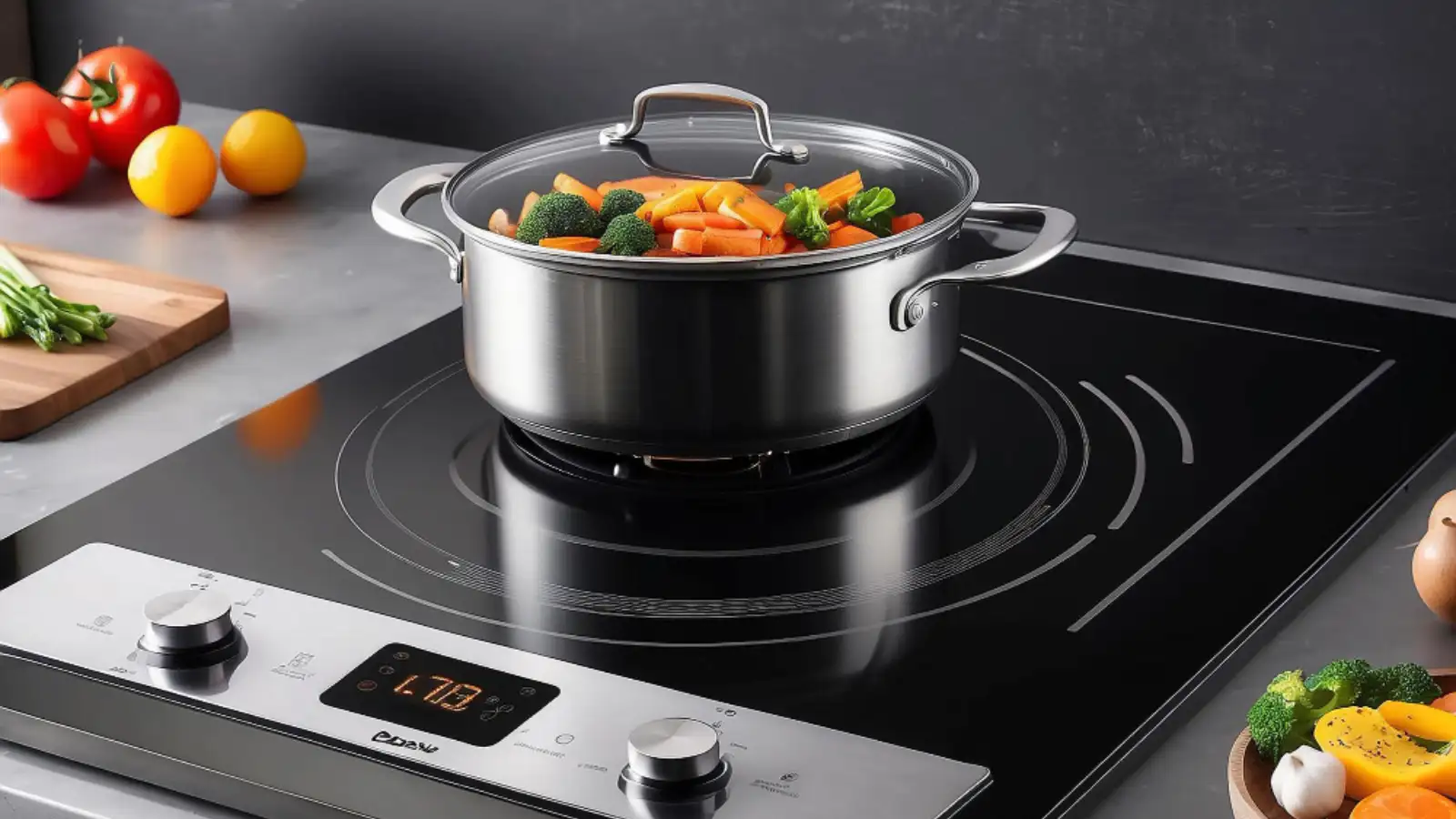
Before making the switch, it is important to understand how induction cooktops work and the precautions needed to use them safely. Following a few essential safety guidelines can help prevent accidents and ensure a smooth cooking experience.
Here are five important safety tips to keep in mind before using an induction cooktop at home.
Utensils made of cast iron, stainless steel, or induction-compatible metal usually work well. Cookware made of glass, aluminium, or ceramic may not function unless it has a special induction-ready base.
Before cooking, check the bottom of your cookware for the induction compatibility symbol or confirm that it works on the appliance.
Avoid placing the appliance near water sources or on uneven surfaces, as this could create safety risks or affect the performance of the cooktop.
A well-positioned cooktop also helps maintain better heat distribution during cooking.
Water spills, wet hands, or moisture around the cooktop can increase the risk of electrical hazards. Always wipe the surface clean before switching on the appliance and avoid touching it with wet hands.
Maintaining a dry cooking area helps ensure safe and efficient operation.
Oversized utensils may extend beyond the heating zone, which can lead to uneven cooking. Similarly, warped or damaged cookware may not make proper contact with the cooktop surface.
For best results, use flat-bottomed utensils that match the size of the induction cooking zone.
Many modern induction stoves come with automatic shut-off features, but it is still a good practice to double-check that the appliance is turned off.
This simple habit can help prevent accidents and reduce unnecessary electricity consumption.
They offer several advantages, including faster heating, precise temperature control, and energy efficiency. Additionally, induction stoves do not produce open flames, which can make them safer in certain situations.
However, like any electrical appliance, they must be used correctly to ensure safe and efficient cooking.
By understanding the basic safety precautions and using the appliance responsibly, households can enjoy the convenience of electric cooking while avoiding potential risks.
Whether used as a backup during an LPG shortage or as a primary cooking method, induction stoves can be a reliable and efficient solution for everyday meals.
Before making the switch, it is important to understand how induction cooktops work and the precautions needed to use them safely. Following a few essential safety guidelines can help prevent accidents and ensure a smooth cooking experience.
Here are five important safety tips to keep in mind before using an induction cooktop at home.
1. Always Use Induction-Compatible Cookware
One of the most important things to remember is that not all utensils work on an induction stove. Induction cooktops operate using electromagnetic technology, which means the cookware must have a magnetic base.Utensils made of cast iron, stainless steel, or induction-compatible metal usually work well. Cookware made of glass, aluminium, or ceramic may not function unless it has a special induction-ready base.
Before cooking, check the bottom of your cookware for the induction compatibility symbol or confirm that it works on the appliance.
2. Place the Cooktop on a Stable and Flat Surface
Induction cooktops should always be placed on a flat, stable, and heat-resistant surface. This ensures that the cookware sits properly on the cooking zone and prevents accidental spills.Avoid placing the appliance near water sources or on uneven surfaces, as this could create safety risks or affect the performance of the cooktop.
A well-positioned cooktop also helps maintain better heat distribution during cooking.
3. Keep the Cooking Area Dry
Since induction stoves are electric appliances, it is crucial to keep the cooking surface and surrounding area dry.Water spills, wet hands, or moisture around the cooktop can increase the risk of electrical hazards. Always wipe the surface clean before switching on the appliance and avoid touching it with wet hands.
Maintaining a dry cooking area helps ensure safe and efficient operation.
4. Avoid Using Oversized or Damaged Utensils
Using cookware that is too large or has a damaged base can interfere with the induction heating process.Oversized utensils may extend beyond the heating zone, which can lead to uneven cooking. Similarly, warped or damaged cookware may not make proper contact with the cooktop surface.
For best results, use flat-bottomed utensils that match the size of the induction cooking zone.
5. Turn Off the Cooktop After Use
After finishing your cooking, always switch off the induction cooktop and unplug it if necessary.Many modern induction stoves come with automatic shut-off features, but it is still a good practice to double-check that the appliance is turned off.
This simple habit can help prevent accidents and reduce unnecessary electricity consumption.
Why More People Are Turning to Induction Cooking
As LPG supplies become uncertain in some regions and cooking gas prices rise, induction cooktops are emerging as a practical alternative for everyday cooking.They offer several advantages, including faster heating, precise temperature control, and energy efficiency. Additionally, induction stoves do not produce open flames, which can make them safer in certain situations.
However, like any electrical appliance, they must be used correctly to ensure safe and efficient cooking.
A Smart Backup Option for Modern Kitchens
Induction cooktops are becoming an increasingly popular addition to Indian kitchens, especially during times of fuel shortages or supply disruptions.By understanding the basic safety precautions and using the appliance responsibly, households can enjoy the convenience of electric cooking while avoiding potential risks.
Whether used as a backup during an LPG shortage or as a primary cooking method, induction stoves can be a reliable and efficient solution for everyday meals.
Next Story