
Taj Mahal Secrets: 10 Amazing Facts You Should Know

The Taj Mahal is a timeless love story carved in white marble a symbol of devotion, architectural brilliance, and Mughal grandeur. Built in the 17th century by Mughal Emperor Shah Jahan in memory of his beloved wife Mumtaz Mahal, who died during childbirth, it has captivated millions of travelers over the centuries. Its delicate artistry, perfect symmetry, and romantic history make it one of the most iconic landmarks in the world.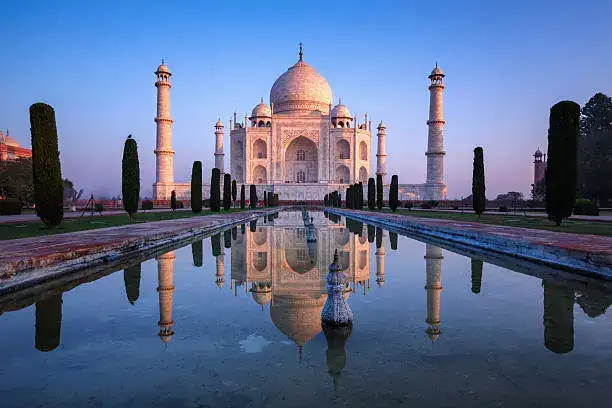
For tourists exploring northern India, Agra the home of the Taj Mahal is a must-visit destination. It is a key highlight of the Golden Triangle tour (Delhi, Agra, Jaipur) and features prominently in broader Incredible India itineraries, offering travelers a glimpse into the country’s rich heritage and architectural marvels.
1. 22 Years and 22,000 Hands Behind Its Creation
Construction of the Taj Mahal began in 1632 and took 22 years to complete, involving approximately 22,000 artisans, laborers, and craftsmen. To transport heavy materials, more than 1,000 elephants were used. At the time, the total construction cost was 32 million rupees, an enormous sum for the 17th century.
2. A Marble Jewel Adorned With Precious Stones
The Taj Mahal is not just white marble; it is a jewel-encrusted masterpiece. It is adorned with 28 varieties of precious and semi-precious stones brought from across Asia: blue stones from Tibet, emeralds from Sri Lanka, jasper from Punjab, and crystals from China. The effect under sunlight is dazzling, giving the monument a sparkling, ethereal glow.
3. A Fusion of Architectural Styles
The Taj Mahal is widely regarded as the finest example of Mughal architecture, blending Persian, Islamic, Turkish, and Indian styles. Its symmetry, intricate inlay work, and proportional balance continue to inspire architects, historians, and travelers alike. Every element, from the domes to the minarets, reflects careful planning and artistic mastery.
4. Designed to Endure Nature’s Challenges
The Taj Mahal’s minarets, the four towers at each corner of the platform, tilt slightly outward. This clever engineering ensures that in the event of an earthquake, the minarets would fall away from the central tomb, preserving the monument’s integrity.
5. The Taj Mahal Was ‘Sold’ More Than Once!
The infamous Indian conman Natwarlal allegedly “sold” the Taj Mahal multiple times. Despite these bizarre claims, the monument remains protected as a UNESCO World Heritage Site since 1983 and continues to be one of the Seven Wonders of the World.
6. The Myth of the Black Taj Mahal
According to legend, Shah Jahan planned to build a Black Taj Mahal as his own tomb across the Yamuna River, directly opposite Mumtaz Mahal’s mausoleum. His plan was cut short when he was imprisoned by his son, Aurangzeb. While the full truth remains a mystery, some ruins across the river lend credence to the myth.
7. The Actual Graves Lie Hidden Beneath
Inside the Taj Mahal, visitors see the cenotaphs, or symbolic tombs, of Shah Jahan and Mumtaz Mahal. The actual graves are in a lower chamber, as per Islamic burial customs. This hidden burial chamber adds a layer of spiritual depth to the already awe-inspiring monument.
8. A Monument That Changes Color
One of the most magical aspects of the Taj Mahal is its changing hues. It appears pink at sunrise, bright white during the day, and golden under the moonlight. This optical marvel adds to the romantic aura of the monument and makes every visit unique, depending on the time of day.
9. Experience the Taj Mahal at Night
While the Taj Mahal is generally open from sunrise to sunset, it offers night visits during full moon nights—including two nights before and after the full moon. This 30-minute experience under the moonlight gives visitors a magical, almost surreal perspective of the monument.
10. The “Thumb” Legend
A popular but false story claims that Shah Jahan ordered the thumbs of artisans to be cut off to prevent them from replicating the Taj Mahal. While dramatic, there is no historical evidence for this tale—it remains one of many legends surrounding the monument.
Why Visiting the Taj Mahal is a Must
Visiting the Taj Mahal is more than sightseeing; it is a journey through history, art, and romance. From its intricate stone inlay work to the heartfelt story of Shah Jahan and Mumtaz Mahal, the monument leaves a lasting impression.
Whether you’re on a romantic getaway, a cultural exploration, or a photography adventure, the Taj Mahal offers an unforgettable experience. Every corner tells a story, every detail showcases unparalleled craftsmanship, and every visit feels like stepping into a timeless love story carved in marble.
Plan your visit for sunrise or full moon nights to experience the Taj Mahal at its most enchanting. Combine it with nearby attractions in Agra, like Agra Fort and Fatehpur Sikri, for a complete historical journey.
For tourists exploring northern India, Agra the home of the Taj Mahal is a must-visit destination. It is a key highlight of the Golden Triangle tour (Delhi, Agra, Jaipur) and features prominently in broader Incredible India itineraries, offering travelers a glimpse into the country’s rich heritage and architectural marvels.
Here’s a closer look at 10 fascinating facts about the Taj Mahal that make it truly unique:
1. 22 Years and 22,000 Hands Behind Its Creation
Construction of the Taj Mahal began in 1632 and took 22 years to complete, involving approximately 22,000 artisans, laborers, and craftsmen. To transport heavy materials, more than 1,000 elephants were used. At the time, the total construction cost was 32 million rupees, an enormous sum for the 17th century.
2. A Marble Jewel Adorned With Precious Stones
The Taj Mahal is not just white marble; it is a jewel-encrusted masterpiece. It is adorned with 28 varieties of precious and semi-precious stones brought from across Asia: blue stones from Tibet, emeralds from Sri Lanka, jasper from Punjab, and crystals from China. The effect under sunlight is dazzling, giving the monument a sparkling, ethereal glow.
3. A Fusion of Architectural Styles
The Taj Mahal is widely regarded as the finest example of Mughal architecture, blending Persian, Islamic, Turkish, and Indian styles. Its symmetry, intricate inlay work, and proportional balance continue to inspire architects, historians, and travelers alike. Every element, from the domes to the minarets, reflects careful planning and artistic mastery.
4. Designed to Endure Nature’s Challenges
The Taj Mahal’s minarets, the four towers at each corner of the platform, tilt slightly outward. This clever engineering ensures that in the event of an earthquake, the minarets would fall away from the central tomb, preserving the monument’s integrity.
5. The Taj Mahal Was ‘Sold’ More Than Once!
The infamous Indian conman Natwarlal allegedly “sold” the Taj Mahal multiple times. Despite these bizarre claims, the monument remains protected as a UNESCO World Heritage Site since 1983 and continues to be one of the Seven Wonders of the World.
6. The Myth of the Black Taj Mahal
According to legend, Shah Jahan planned to build a Black Taj Mahal as his own tomb across the Yamuna River, directly opposite Mumtaz Mahal’s mausoleum. His plan was cut short when he was imprisoned by his son, Aurangzeb. While the full truth remains a mystery, some ruins across the river lend credence to the myth.
7. The Actual Graves Lie Hidden Beneath
Inside the Taj Mahal, visitors see the cenotaphs, or symbolic tombs, of Shah Jahan and Mumtaz Mahal. The actual graves are in a lower chamber, as per Islamic burial customs. This hidden burial chamber adds a layer of spiritual depth to the already awe-inspiring monument.
8. A Monument That Changes Color
One of the most magical aspects of the Taj Mahal is its changing hues. It appears pink at sunrise, bright white during the day, and golden under the moonlight. This optical marvel adds to the romantic aura of the monument and makes every visit unique, depending on the time of day.
You may also like
- 'I cried when my mom said we were moving to India': 22-year-old woman born in the US shares her experience of settling in India
- Ayushman Arogya Mandirs strengthening fight against cancer: JP Nadda
- Uttarakhand CM Dhami visits victims of Himachal Roadways bus accident
- 'Trinamool attacking our workers in Bengal,' claims BJP
- "DMK in alliance talks with Congress... ": MP Kanimozhi Karunanidhi on upcoming state elections
9. Experience the Taj Mahal at Night
While the Taj Mahal is generally open from sunrise to sunset, it offers night visits during full moon nights—including two nights before and after the full moon. This 30-minute experience under the moonlight gives visitors a magical, almost surreal perspective of the monument.
10. The “Thumb” Legend
A popular but false story claims that Shah Jahan ordered the thumbs of artisans to be cut off to prevent them from replicating the Taj Mahal. While dramatic, there is no historical evidence for this tale—it remains one of many legends surrounding the monument.
Why Visiting the Taj Mahal is a Must
Visiting the Taj Mahal is more than sightseeing; it is a journey through history, art, and romance. From its intricate stone inlay work to the heartfelt story of Shah Jahan and Mumtaz Mahal, the monument leaves a lasting impression.
Whether you’re on a romantic getaway, a cultural exploration, or a photography adventure, the Taj Mahal offers an unforgettable experience. Every corner tells a story, every detail showcases unparalleled craftsmanship, and every visit feels like stepping into a timeless love story carved in marble.
Plan your visit for sunrise or full moon nights to experience the Taj Mahal at its most enchanting. Combine it with nearby attractions in Agra, like Agra Fort and Fatehpur Sikri, for a complete historical journey.






More from our partners


Loving Newspoint? Download the app now
