
Tangy Chutney Delights A Burst Of Flavour In Every Bite That Elevates Everyday Meals Effortlessly

Chutneys have long been an integral part of Indian cuisine, known for their ability to transform a simple meal into a flavourful experience. With their perfect balance of tanginess, spice, and subtle sweetness, chutneys offer a burst of taste that complements a wide range of dishes. Whether paired with snacks, main courses, or even used as spreads, chutneys bring versatility and depth to everyday meals. Tangy chutney recipes continue to evolve, blending traditional techniques with modern ingredients to suit changing tastes while retaining their cultural essence.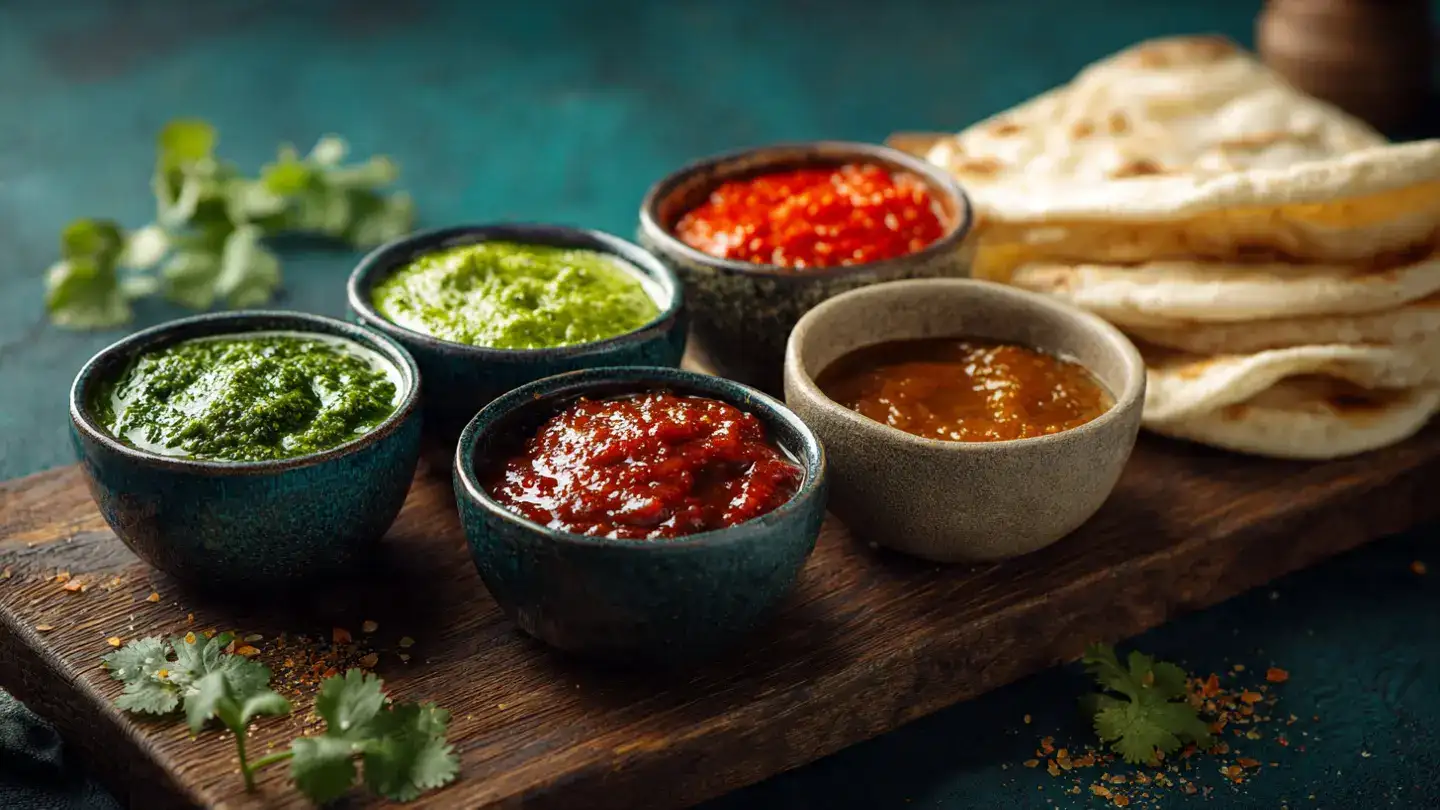
Indian chutney varieties reflect local ingredients and culinary traditions. From coconut chutney in the south to mint and coriander chutneys in the north, each variation tells a story of regional taste preferences. Despite their differences, all chutneys share a common goal of elevating the overall dining experience.
Tamarind chutney is another classic, known for its sweet and sour taste. It is commonly used in chaat and street food, adding depth and richness to dishes.
Raw mango chutney is especially popular during summer. Its sharp tanginess provides a refreshing contrast to spicy foods, making it a seasonal favourite.
Coconut chutney, though milder, can be given a tangy twist with the addition of curd or tamarind. It is widely enjoyed with dosas and idlis.
Tomato chutney offers a slightly sweet yet tangy flavour and works well as both a dip and a spread. It is easy to prepare and highly versatile.
For instance, mint and coriander are known for their digestive properties, while tamarind can aid digestion and add essential nutrients. Homemade chutney ideas often focus on using fresh, natural ingredients, making them a healthier alternative to processed sauces.
Additionally, chutneys can encourage mindful eating by enhancing flavours without requiring excessive salt or oil.
For those exploring easy chutney recipes , starting with simple combinations such as mint and coriander or tomato and garlic can be ideal. Gradually experimenting with different ingredients helps create unique flavours.
Using fresh, seasonal produce not only improves taste but also ensures better nutritional value. Homemade chutneys can be stored for short periods, making them convenient for regular use.
Spicy chutney flavours work well with fried items like pakoras and samosas, while milder chutneys complement breakfast dishes such as idli and dosa. Chutneys can also be used as spreads in sandwiches or wraps, adding a burst of flavour without the need for heavy sauces.
Experimenting with pairings can make everyday meals more interesting and enjoyable.
Incorporating a variety of chutneys into your diet can provide different nutrients and prevent monotony. This approach aligns with the idea of creating a balanced and diverse eating pattern.
From quick dips to elaborate accompaniments, chutneys offer endless possibilities. Their ability to enhance flavour, support digestion, and add variety makes them an essential component of everyday cooking.
By exploring tangy chutney recipes and experimenting with ingredients, anyone can bring a burst of flavour to their meals and enjoy the richness of this timeless culinary tradition.
Image Courtesy: Meta AI
The Essence Of Tangy Chutneys
At the heart of every chutney lies a careful balance of flavours. Tanginess often comes from ingredients such as tamarind, raw mango, or citrus, while spices and herbs enhance complexity. This balance is what makes chutneys unique and widely loved across regions.Indian chutney varieties reflect local ingredients and culinary traditions. From coconut chutney in the south to mint and coriander chutneys in the north, each variation tells a story of regional taste preferences. Despite their differences, all chutneys share a common goal of elevating the overall dining experience.
Popular Tangy Chutney Varieties To Try
One of the most well-known chutneys is mint and coriander chutney, often served with snacks. Its fresh, tangy flavour pairs well with fried and grilled dishes, making it a staple in many households.Tamarind chutney is another classic, known for its sweet and sour taste. It is commonly used in chaat and street food, adding depth and richness to dishes.
Raw mango chutney is especially popular during summer. Its sharp tanginess provides a refreshing contrast to spicy foods, making it a seasonal favourite.
Coconut chutney, though milder, can be given a tangy twist with the addition of curd or tamarind. It is widely enjoyed with dosas and idlis.
Tomato chutney offers a slightly sweet yet tangy flavour and works well as both a dip and a spread. It is easy to prepare and highly versatile.
Why Chutneys Are More Than Just Condiments
Chutneys are not just about taste; they also offer nutritional benefits. Many chutneys are made with fresh herbs, fruits, and spices that provide vitamins, minerals, and antioxidants.For instance, mint and coriander are known for their digestive properties, while tamarind can aid digestion and add essential nutrients. Homemade chutney ideas often focus on using fresh, natural ingredients, making them a healthier alternative to processed sauces.
Additionally, chutneys can encourage mindful eating by enhancing flavours without requiring excessive salt or oil.
Easy Ways To Make Chutneys At Home
Preparing chutneys at home is simple and allows for customisation based on taste preferences. A basic chutney can be made by blending fresh ingredients with spices and adjusting the consistency with water or curd.For those exploring easy chutney recipes , starting with simple combinations such as mint and coriander or tomato and garlic can be ideal. Gradually experimenting with different ingredients helps create unique flavours.
Using fresh, seasonal produce not only improves taste but also ensures better nutritional value. Homemade chutneys can be stored for short periods, making them convenient for regular use.
Pairing Chutneys With Everyday Meals
One of the reasons chutneys are so popular is their versatility. They can be paired with a wide range of foods, from traditional dishes to modern snacks.Spicy chutney flavours work well with fried items like pakoras and samosas, while milder chutneys complement breakfast dishes such as idli and dosa. Chutneys can also be used as spreads in sandwiches or wraps, adding a burst of flavour without the need for heavy sauces.
Experimenting with pairings can make everyday meals more interesting and enjoyable.
Balancing Flavour And Nutrition
While chutneys are flavourful, it is important to maintain balance in their preparation. Using moderate amounts of salt, sugar, and oil ensures that they remain a healthy addition to meals.Incorporating a variety of chutneys into your diet can provide different nutrients and prevent monotony. This approach aligns with the idea of creating a balanced and diverse eating pattern.
The Timeless Appeal Of Chutneys
Chutneys continue to hold their place in both traditional and modern kitchens. Their adaptability allows them to evolve with changing food trends while preserving their core identity.From quick dips to elaborate accompaniments, chutneys offer endless possibilities. Their ability to enhance flavour, support digestion, and add variety makes them an essential component of everyday cooking.
By exploring tangy chutney recipes and experimenting with ingredients, anyone can bring a burst of flavour to their meals and enjoy the richness of this timeless culinary tradition.
Image Courtesy: Meta AI
Next Story