
The 2026 Travel Trail: Five Cities Unveiling Their Hidden Gems on Foot

In an age where travel is increasingly about connection rather than checklists, walking has emerged as one of the most immersive ways to explore a city. Moving at a slower pace allows travellers to notice everyday moments the rhythm of local life, the shift in street sounds, and the stories hidden in architecture and alleyways. In 2026, these five cities stand out for how generously they reward those who choose to explore them on foot, offering experiences that feel personal, layered and deeply memorable.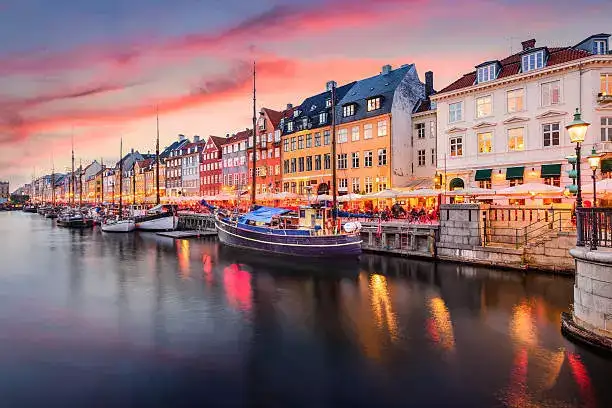
Kyoto, Japan
Kyoto reveals its essence gradually, often in moments of quiet beauty rather than grand displays. Walking through the city brings you face to face with its timeless balance between tradition and daily life. From the historic lanes of Higashiyama to the calm stretch of the Philosopher’s Path, each step passes shrines, teahouses, wooden homes and peaceful gardens. On foot, Kyoto encourages mindfulness, inviting travellers to observe rather than rush.
Lisbon, Portugal
Lisbon’s rolling hills may challenge the legs, but they also shape the city’s unmistakable character. Walking takes you through winding streets, sunlit squares and tiled façades that reflect centuries of history. Neighbourhoods like Alfama and Graça unfold slowly, revealing scenic viewpoints, old trams and echoes of maritime heritage. Exploring Lisbon on foot allows you to feel its emotional depth a blend of resilience, romance and quiet longing.
Istanbul, Turkey
Few cities offer such a rich walking experience as Istanbul. As you move through its neighbourhoods, history reveals itself layer by layer. A walk can carry you from Roman ruins to Ottoman mosques, from bustling bazaars to modern cafés. Areas like Sultanahmet and Beyoğlu show how ancient traditions and contemporary life exist side by side. Walking makes Istanbul’s contrasts feel natural and alive.
Buenos Aires, Argentina
Buenos Aires welcomes walkers with open arms. Its wide pavements, leafy avenues and strong café culture make strolling part of everyday life. On foot, neighbourhoods such as Palermo, Recoleta and San Telmo showcase the city’s European roots mixed with Latin American energy. Street art, bookshops and lively conversations turn each walk into a cultural exchange, best enjoyed without a fixed plan.
Copenhagen, Denmark
Copenhagen’s walkability reflects its focus on quality of life. Designed for pedestrians and cyclists, the city is easy to navigate and pleasantly paced. Walking along canals, through historic districts and past modern design spaces offers insight into Denmark’s thoughtful urban planning. The city encourages calm movement, making every walk feel intentional, relaxed and refreshingly human.
These cities remind us that the most meaningful travel experiences often unfold at walking pace. By slowing down, travellers gain a deeper understanding of local culture, history and everyday life details that are easy to miss when rushing from one landmark to another. Whether it’s Kyoto’s quiet spirituality, Lisbon’s soulful streets, Istanbul’s layered past, Buenos Aires’ lively conversations or Copenhagen’s calm design, each city reveals its true character step by step. In 2026, the simple act of walking isn’t just a way to get around it’s the best way to truly arrive.
Kyoto, Japan
Kyoto reveals its essence gradually, often in moments of quiet beauty rather than grand displays. Walking through the city brings you face to face with its timeless balance between tradition and daily life. From the historic lanes of Higashiyama to the calm stretch of the Philosopher’s Path, each step passes shrines, teahouses, wooden homes and peaceful gardens. On foot, Kyoto encourages mindfulness, inviting travellers to observe rather than rush.
Lisbon, Portugal
Lisbon’s rolling hills may challenge the legs, but they also shape the city’s unmistakable character. Walking takes you through winding streets, sunlit squares and tiled façades that reflect centuries of history. Neighbourhoods like Alfama and Graça unfold slowly, revealing scenic viewpoints, old trams and echoes of maritime heritage. Exploring Lisbon on foot allows you to feel its emotional depth a blend of resilience, romance and quiet longing.
Istanbul, Turkey
Few cities offer such a rich walking experience as Istanbul. As you move through its neighbourhoods, history reveals itself layer by layer. A walk can carry you from Roman ruins to Ottoman mosques, from bustling bazaars to modern cafés. Areas like Sultanahmet and Beyoğlu show how ancient traditions and contemporary life exist side by side. Walking makes Istanbul’s contrasts feel natural and alive.
Buenos Aires, Argentina
Buenos Aires welcomes walkers with open arms. Its wide pavements, leafy avenues and strong café culture make strolling part of everyday life. On foot, neighbourhoods such as Palermo, Recoleta and San Telmo showcase the city’s European roots mixed with Latin American energy. Street art, bookshops and lively conversations turn each walk into a cultural exchange, best enjoyed without a fixed plan.
Copenhagen, Denmark
Copenhagen’s walkability reflects its focus on quality of life. Designed for pedestrians and cyclists, the city is easy to navigate and pleasantly paced. Walking along canals, through historic districts and past modern design spaces offers insight into Denmark’s thoughtful urban planning. The city encourages calm movement, making every walk feel intentional, relaxed and refreshingly human.
These cities remind us that the most meaningful travel experiences often unfold at walking pace. By slowing down, travellers gain a deeper understanding of local culture, history and everyday life details that are easy to miss when rushing from one landmark to another. Whether it’s Kyoto’s quiet spirituality, Lisbon’s soulful streets, Istanbul’s layered past, Buenos Aires’ lively conversations or Copenhagen’s calm design, each city reveals its true character step by step. In 2026, the simple act of walking isn’t just a way to get around it’s the best way to truly arrive.
Next Story