
The War of the Bucket: When a Simple Wooden Bucket Sparked a Historic Battle

It sounds almost unbelievable at first. A full-scale war fought over something as ordinary as a wooden bucket. In a world where conflicts are usually tied to power, land, or wealth, the story of the War of the Bucket feels strangely absurd and yet deeply human.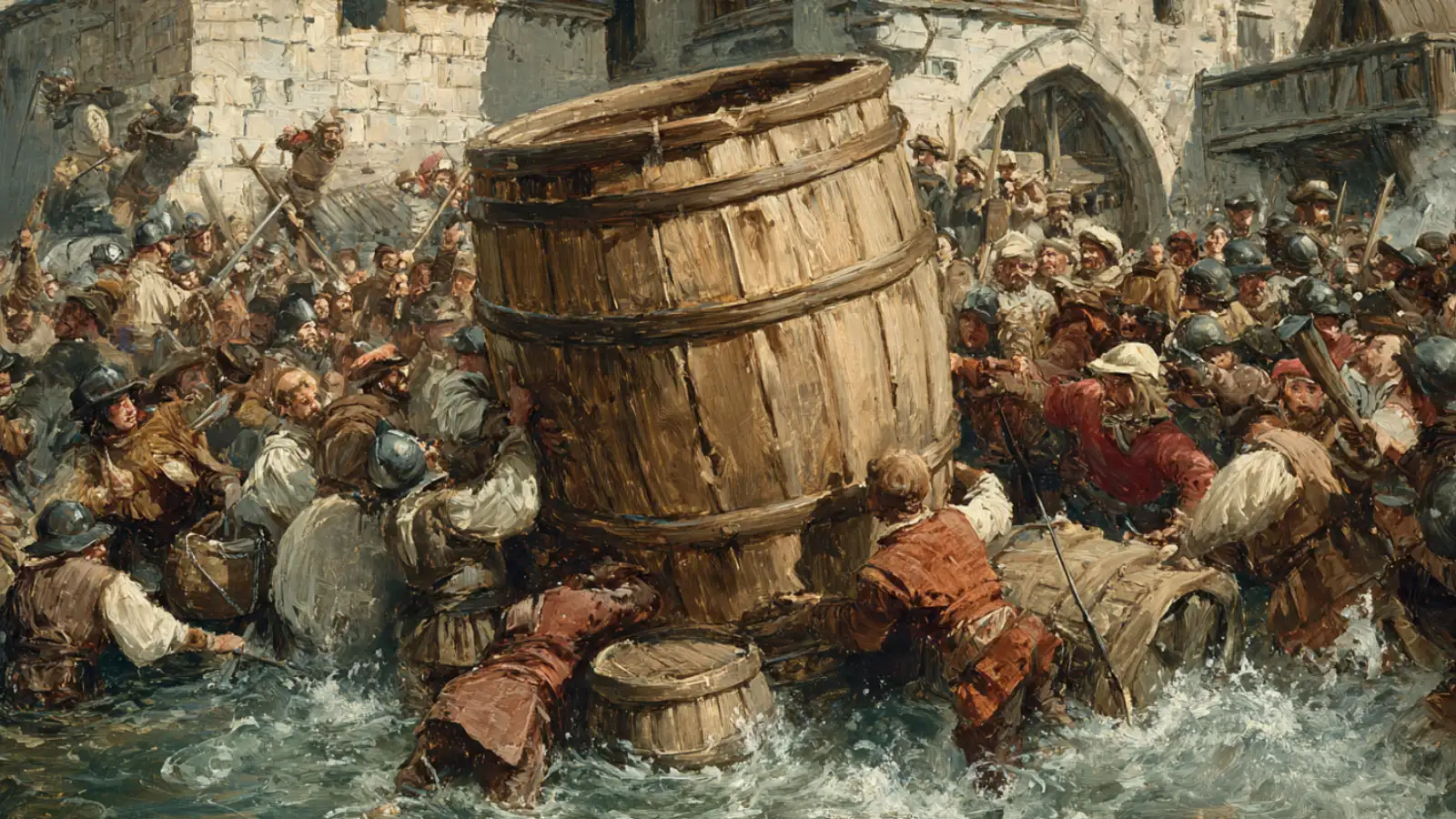
But when you look a little closer, it stops being just about a bucket. It becomes a story about pride, rivalry, identity, and how small triggers can ignite massive consequences. Think about how even today, minor disagreements can spiral into something much bigger. Now imagine that same instinct, but in a time when honor meant everything and tensions were already high.
This story matters because it reflects something timeless about human nature. It shows how ego and loyalty can turn the smallest spark into a raging fire, much like how a restless horse can bolt at the slightest noise, or how a dog fiercely guards its territory without questioning why.
These factions were not just about politics. They shaped identity, loyalty, and even everyday life. People grew up seeing the other side as rivals, almost like how a cat and a mouse are instinctively at odds, even without a clear reason.
So when soldiers from Modena reportedly stole a wooden bucket from a well in Bologna, it was not seen as a prank. It was taken as an insult. A challenge. A statement.
For Bologna, the stolen bucket represented humiliation. It was as if their pride had been taken along with it. For Modena, it became a trophy, a symbol of victory even before a battle had begun.
This is where things start to feel familiar. Humans often attach deep meaning to ordinary objects. A small item can carry emotions, memories, and identity. Like how a bird carefully protects its nest, not because of the twigs, but because of what they represent.
The bucket was no longer just a bucket. It was honor, power, and rivalry all rolled into one.
That refusal was enough to push things over the edge. Armies were gathered. Strategies were planned. Thousands of soldiers prepared for battle, all because of an object that could easily be replaced.
But replacing the bucket was never the point. It was about pride. About not backing down.
This is something we still see today in different forms. People hold onto arguments not because they matter, but because letting go feels like losing. It is the same stubborn instinct you might see in a bull refusing to move, digging its heels into the ground with determination.
It was not just about numbers. Strategy, timing, and morale played a huge role. Modena’s forces were more focused, more unified. They fought with the confidence of defending their pride and their symbolic prize.
The battle itself was intense, chaotic, and costly. Lives were lost, families were affected, and the consequences went far beyond the original cause.
All because of a bucket.
Even today, the bucket is preserved in Modena as a historical artifact. It stands as a reminder of how something so small once led to something so significant.
The story did not end with the battle. It became part of cultural memory, even inspiring literature and storytelling over the centuries.
It is like how a simple trail left by an animal in the forest can tell a much larger story about movement, survival, and instinct. The bucket became that trail. A clue to something much bigger.
Human beings often react strongly to perceived insults. Pride can outweigh logic. Small issues can escalate when emotions take control.
This story also highlights how symbols can carry immense power. Whether it is a flag, a word, or even a bucket, meaning is what we assign to it.
And once meaning is attached, it becomes difficult to separate emotion from reality.
The bucket was just the trigger. The real causes were rivalry, identity, and unresolved tension.
Understanding this can change how we look at disagreements in our own lives. It encourages us to pause and ask what really matters.
Because sometimes, what looks like a major issue is just a small object carrying a heavy emotional weight.
But when you look a little closer, it stops being just about a bucket. It becomes a story about pride, rivalry, identity, and how small triggers can ignite massive consequences. Think about how even today, minor disagreements can spiral into something much bigger. Now imagine that same instinct, but in a time when honor meant everything and tensions were already high.
This story matters because it reflects something timeless about human nature. It shows how ego and loyalty can turn the smallest spark into a raging fire, much like how a restless horse can bolt at the slightest noise, or how a dog fiercely guards its territory without questioning why.
The Background: More Than Just a Bucket
To understand this unusual war, you have to step into medieval Italy. Two powerful city-states, Bologna and Modena, were locked in a long-standing rivalry. This was not a casual disagreement. It was deeply political, tied to larger factions known as the Guelphs and Ghibellines.These factions were not just about politics. They shaped identity, loyalty, and even everyday life. People grew up seeing the other side as rivals, almost like how a cat and a mouse are instinctively at odds, even without a clear reason.
So when soldiers from Modena reportedly stole a wooden bucket from a well in Bologna, it was not seen as a prank. It was taken as an insult. A challenge. A statement.
The Bucket That Became a Symbol
The bucket itself was simple. Wooden, functional, nothing extraordinary. But its meaning quickly changed.For Bologna, the stolen bucket represented humiliation. It was as if their pride had been taken along with it. For Modena, it became a trophy, a symbol of victory even before a battle had begun.
This is where things start to feel familiar. Humans often attach deep meaning to ordinary objects. A small item can carry emotions, memories, and identity. Like how a bird carefully protects its nest, not because of the twigs, but because of what they represent.
The bucket was no longer just a bucket. It was honor, power, and rivalry all rolled into one.
The Build-Up to War
Tensions escalated quickly. Bologna demanded the return of the bucket. Modena refused.That refusal was enough to push things over the edge. Armies were gathered. Strategies were planned. Thousands of soldiers prepared for battle, all because of an object that could easily be replaced.
But replacing the bucket was never the point. It was about pride. About not backing down.
This is something we still see today in different forms. People hold onto arguments not because they matter, but because letting go feels like losing. It is the same stubborn instinct you might see in a bull refusing to move, digging its heels into the ground with determination.
The Battle Unfolds
The conflict reached its peak in 1325 at the Battle of Zappolino. Despite Bologna having a larger army, Modena managed to secure a decisive victory.It was not just about numbers. Strategy, timing, and morale played a huge role. Modena’s forces were more focused, more unified. They fought with the confidence of defending their pride and their symbolic prize.
The battle itself was intense, chaotic, and costly. Lives were lost, families were affected, and the consequences went far beyond the original cause.
All because of a bucket.
Aftermath: The Bucket Remains
In a twist that almost feels poetic, Modena kept the bucket. It was never returned.Even today, the bucket is preserved in Modena as a historical artifact. It stands as a reminder of how something so small once led to something so significant.
The story did not end with the battle. It became part of cultural memory, even inspiring literature and storytelling over the centuries.
It is like how a simple trail left by an animal in the forest can tell a much larger story about movement, survival, and instinct. The bucket became that trail. A clue to something much bigger.
Why This Story Still Matters Today
At first glance, the War of the Bucket might seem amusing. But beneath the surface, it reveals patterns that are still relevant.Human beings often react strongly to perceived insults. Pride can outweigh logic. Small issues can escalate when emotions take control.
This story also highlights how symbols can carry immense power. Whether it is a flag, a word, or even a bucket, meaning is what we assign to it.
And once meaning is attached, it becomes difficult to separate emotion from reality.
Lessons Hidden in the Conflict
There is a quiet lesson in all of this. Conflicts are rarely about the surface issue. They are about what lies beneath.The bucket was just the trigger. The real causes were rivalry, identity, and unresolved tension.
Understanding this can change how we look at disagreements in our own lives. It encourages us to pause and ask what really matters.
Because sometimes, what looks like a major issue is just a small object carrying a heavy emotional weight.
Next Story