
The Gentle Art of Trust A Comprehensive Guide on How to Tame a Shy or Scared Bird

Welcoming a new feathered friend into your home is an exciting milestone, but it can quickly become disheartening if your bird retreats to the back of the cage every time you approach. For many parrots, budgies, or cockatiels, the human world is a loud, towering, and intimidating place. A shy or scared bird isn't being 'difficult'; they are simply operating on a survival instinct that tells them to stay away from potential predators. Transitioning from a state of terror to a place of companionship takes time, but with a gentle approach, you can turn a fearful flapper into a confident companion.
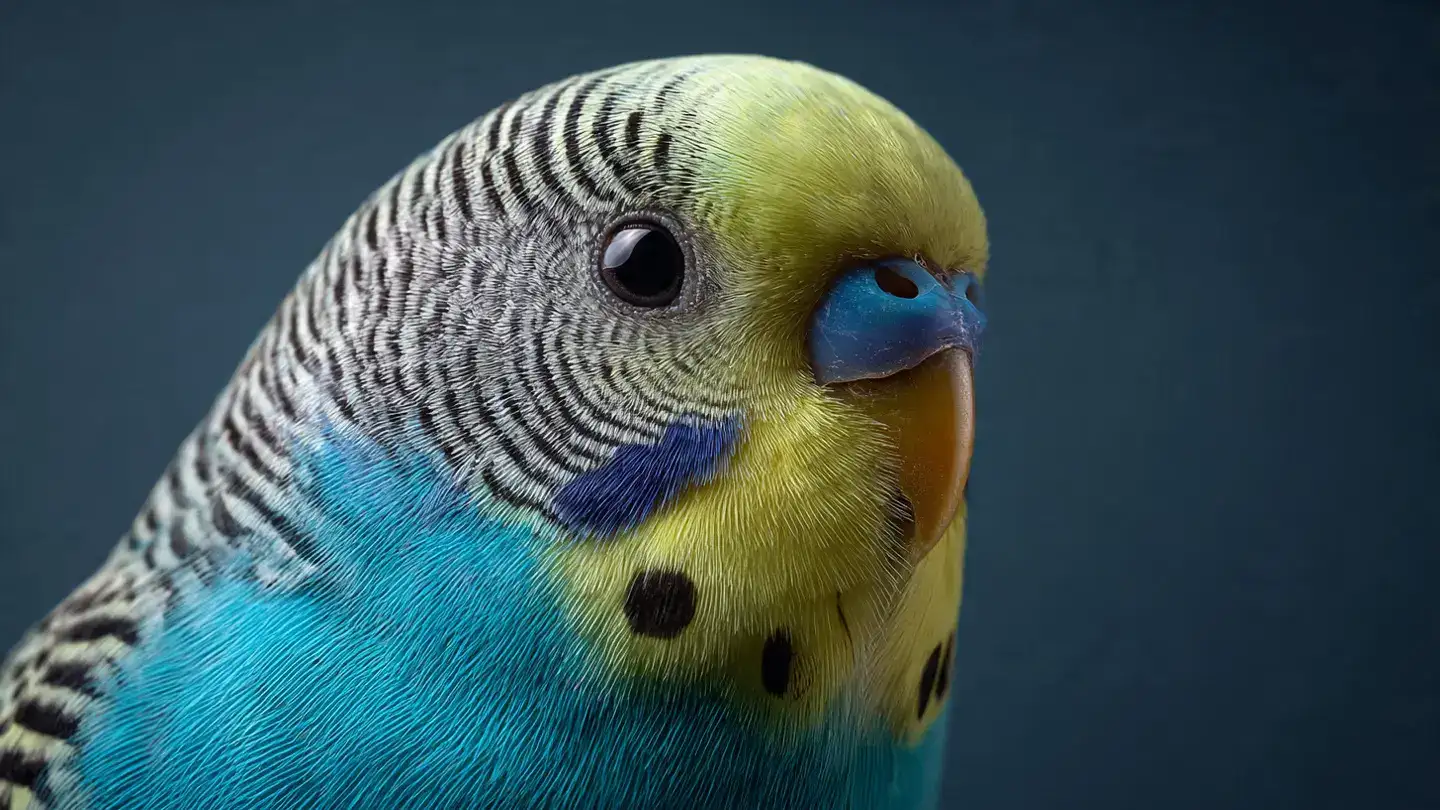
Understanding the Root of Avian Fear
Before you begin the process of taming a scared bird , it is vital to recognise why they are afraid in the first place. Birds are prey animals, meaning their natural instinct is to fly away from anything unfamiliar. Your bird may have had poor experiences with humans in the past, or they might simply be undersocialised. The environment plays a huge role here; loud noises, sudden movements, or even the presence of other pets like cats or dogs can keep a bird in a constant state of 'high alert,' making it impossible for them to relax.Decoding Avian Body Language
One of the most important skills a bird owner can develop is the ability to read avian body language. Your bird is constantly talking to you, even if they aren't 'talking.' If you see your bird slicking their feathers down tight, panting, or leaning away, they are telling you they are uncomfortable. Conversely, if they start preening themselves or grinding their beak while you are nearby, these are signs of relaxation. By paying close attention to these subtle cues, you can learn exactly when to push forward and when to take a step back, ensuring you never push the bird past their comfort limit.Creating a Safe and Calm Environment
Success in building bird trust begins with the atmosphere of the room. Place the cage in a corner where the bird has at least two walls behind them; this provides a sense of security as they don’t have to 'watch their back.' Keep the cage at eye level—if the cage is too low, the bird feels vulnerable to things coming from above, and if it is too high, they may feel a sense of dominance that makes taming harder later on. Spend time in the room doing quiet activities like reading or knitting. This allows the bird to get used to your presence without feeling like the centre of unwanted attention.The Power of Positive Reinforcement for Birds
The most effective way to change a bird's mind about humans is through positive reinforcement for birds. This involves rewarding the behaviour you want to see while ignoring the behaviour you don't. Find out what your bird’s 'super treat' is—usually spray millet, sunflower seeds, or a bit of fruit. Start by simply dropping a treat into their bowl and walking away. Eventually, you can try offering the treat through the bars of the cage. The goal is for the bird to associate your presence with something delicious and wonderful, gradually overriding their initial fear response with a 'reward' response.Slow and Steady Socialisation Steps
Consistent bird socialisation techniques are about the quality of time spent, not just the quantity. Once your bird is comfortable eating a treat while you stand next to the cage, you can try opening the door and resting your hand on the ledge. Don't try to grab them; let them come to you. You might place a treat on your palm and wait. This stage requires immense patience. If the bird lunges or nips, do not pull your hand away suddenly or shout, as this reinforces the fear. Remain calm, move slowly, and always end the session on a positive note, even if it was just a small step forward.Respecting the Individual Pace
Every bird is an individual with its own personality and history. Some birds might become hand-tame in a week, while others might take a year to even step onto a finger. Forcing a bird to interact before they are ready can cause a major setback in your relationship. If you notice your bird retreating, you have moved too fast. Respect their boundaries and give them the space they need. Over time, that tiny heart will stop racing when you enter the room, and you will find that the bond built through patience is far stronger than one built through force.Building a Lifelong Friendship
The journey of taming a shy bird is one of the most rewarding experiences a pet owner can have. There is a profound sense of achievement when a creature that once viewed you as a monster finally chooses to fly to your shoulder or whistle at your arrival. By focusing on empathy, observation, and kindness, you are doing more than just taming a pet; you are establishing a partnership based on mutual respect. Stay consistent, keep the treats handy, and enjoy the slow, beautiful process of winning over your feathered friend's heart.Image Courtesy: Meta AI
Next Story