
The Golden Grain Revolution: Why Swapping White Rice for Brown is the Ultimate Health Power Move

In the modern British kitchen, rice is a versatile hero, appearing in everything from spicy curries to comforting puddings. However, not all grains are created equal. For decades, white rice has dominated the pantry due to its soft texture and long shelf life, but this convenience comes at a significant nutritional cost. White rice is essentially a 'naked' grain, stripped of its protective layers through intense processing. Brown rice, conversely, remains in its whole, unrefined state, retaining the bran and germ that house the vast majority of its life-giving nutrients. Making the switch to this golden grain isn't just a culinary trend; it is a fundamental shift toward better metabolic health and sustained vitality.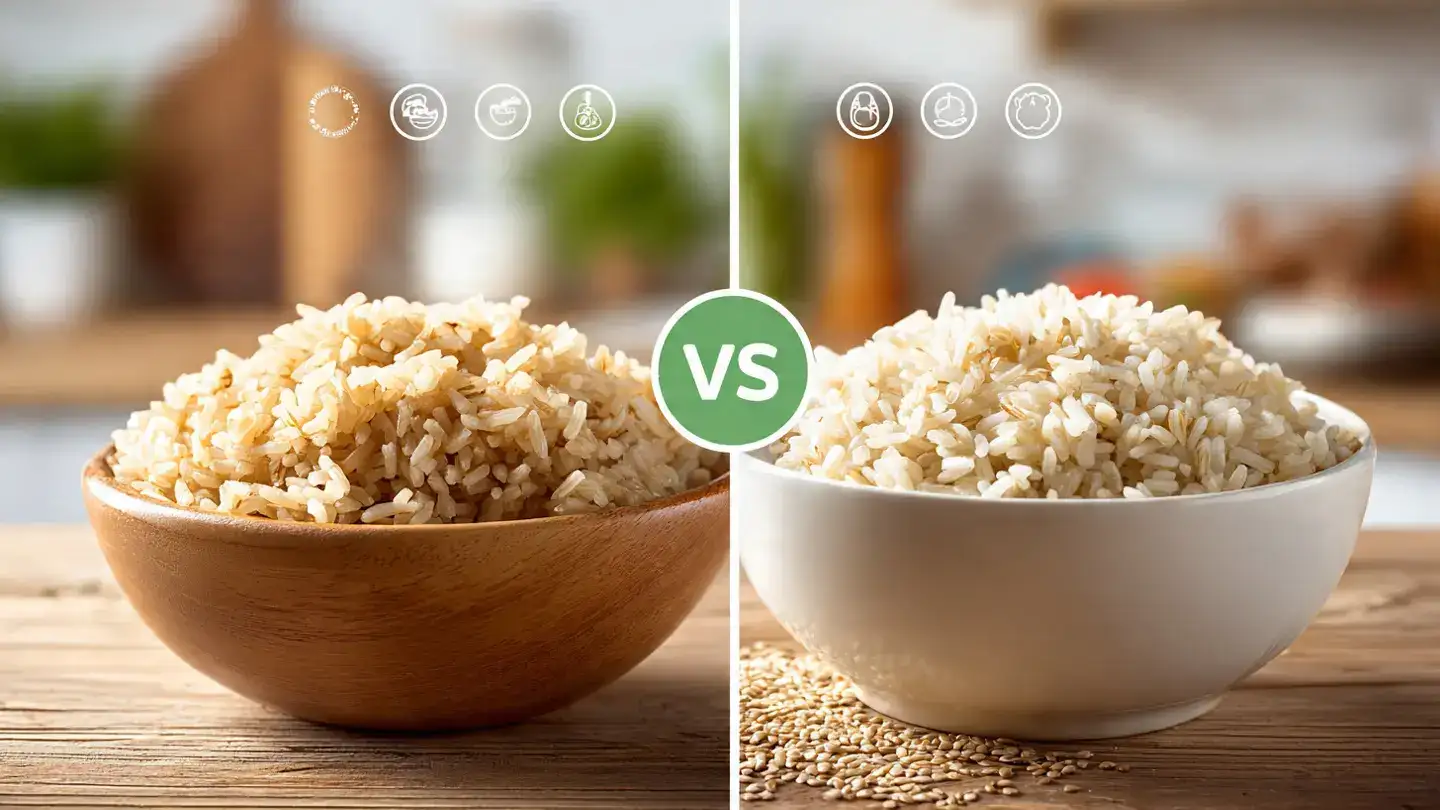
Image Courtesy: Meta AI
Unpacking the Superiority of Whole Grains
The most striking difference between the two varieties lies in their wholegrain nutritional value . When rice is processed into its white form, the milling removes the husk, bran, and germ. This process strips away more than 60% of the iron, 80% of the vitamin B1, and nearly all the essential fatty acids. Brown rice serves as a functional 'superfood' because it remains intact. By consuming the grain in its natural state, you are providing your body with a dense profile of manganese, selenium, and magnesium. These minerals are vital for bone health, thyroid function, and maintaining a robust immune system, ensuring your body operates with precision.The Secret to Lasting Energy Levels
One of the primary health benefits of brown rice is its status as a powerhouse of slow-release energy. Unlike white rice, which consists mostly of simple starches, brown rice is packed with complex carbohydrates for energy . Because the grain contains its fibrous outer layer, the body takes much longer to break it down. This results in a slow, steady release of glucose into the bloodstream, rather than the rapid spike and subsequent 'crash' associated with refined grains. This steady fuel supply keeps you focused throughout the working day and prevents the afternoon lethargy that often leads to unhealthy snacking.You may also like
- This Common Skincare Habit Might Be Damaging Your Skin
- How Much Salary Does a Junior Hindi Translator Earn? Find Out Here
- “I know my kids are embarrassed of me,” Shah Rukh Khan's heartfelt reminder about the value of parents is something we all need to hear.
- Aadhaar ID Support Arrives in Google Wallet; Verification Set to Become Even Easier
- 7 Lakshmi Lessons For Attracting Wealth With Discipline
Managing Weight Through Fibre Content
If you are looking to manage your weight more effectively, brown rice is an indispensable ally. It is a cornerstone of high-fibre diet tips because it promotes satiety—the feeling of being full. The high fibre content adds bulk to your meals without adding excessive calories, signaling to your brain that you are satisfied sooner. Furthermore, fibre is essential for a healthy gut microbiome. A diet rich in whole grains helps regulate bowel movements and prevents constipation, ensuring that your digestive tract functions smoothly and efficiently, which is the foundation of any successful weight management plan.Stabilising Blood Sugar Naturally
For those concerned about metabolic health, the glycemic index of rice is a crucial factor to consider. White rice has a high glycemic index (GI), meaning it causes a sharp rise in blood sugar levels. Brown rice, however, sits much lower on the scale. The presence of fibre and polyphenols in the bran layer slows the action of digestive enzymes that convert starch into sugar. This makes brown rice a much safer and more effective option for individuals looking to prevent or manage type 2 diabetes. By choosing brown over white, you are actively protecting your insulin sensitivity and reducing the long-term stress on your pancreas.Protecting Your Heart with Every Bite
Heart health is often influenced by the subtle choices we make at the dinner table. Brown rice contains naturally occurring compounds called lignans, which have been shown to reduce blood pressure and decrease the stiffness of the arteries. Furthermore, the high levels of magnesium found in brown grains play a critical role in maintaining a regular heart rhythm. By reducing 'bad' LDL cholesterol and improving overall lipid profiles, this simple grain switch serves as a preventative measure against cardiovascular diseases, proving that small dietary adjustments can lead to profound long-term health outcomes.A Versatile and Nutritious Culinary Choice
Many people hesitate to switch because they fear brown rice is difficult to cook or lacks flavour. In reality, brown rice offers a delightful, nutty profile and a chewy texture that adds character to any dish. Whether you are preparing a traditional stir-fry, a hearty salad, or a base for a rich stew, the golden grain holds its structure better than its white counterpart. By soaking the grains for thirty minutes before cooking, you can achieve a perfectly tender result every time. Transitioning to brown rice is an investment in your future self, providing a delicious way to nourish your body from the inside out.Image Courtesy: Meta AI






More from our partners


Loving Newspoint? Download the app now
