
Can Artificial Light at Night Harm Your Detox Cycle? Here’s What Science Says

In today’s fast-paced urban world, artificial lighting has become an inseparable part of modern living. From glowing streetlights to digital screens, we are surrounded by light even long after the sun sets. However, this constant exposure to artificial illumination—known as light pollution—does more than just dim the night sky. It disrupts the body’s natural rhythms, particularly its detoxification and repair cycles that are essential for maintaining health.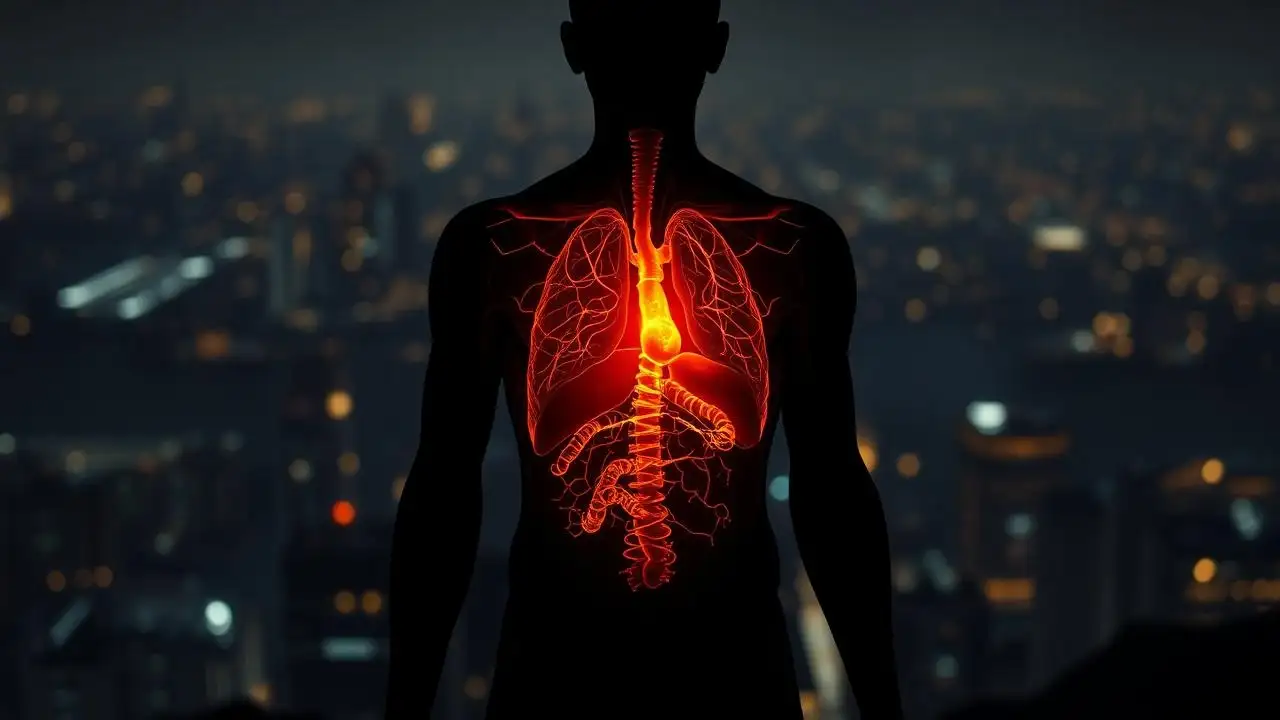
Understanding Light Pollution and the Human Body
Light pollution refers to excessive or misdirected artificial light that interferes with natural darkness. While it may seem harmless, light plays a crucial role in regulating the body’s internal clock, or circadian rhythm . This rhythm governs various biological processes, including sleep, hormone production, metabolism, and cellular repair. When this cycle is disrupted, the body’s ability to detoxify and rejuvenate during the night diminishes significantly.The Role of Melatonin in Detoxification
One of the key hormones affected by light exposure is melatonin. Produced by the pineal gland, melatonin signals the body that it is time to rest. It also acts as a powerful antioxidant, supporting the body’s natural detoxification processes by neutralising harmful free radicals. When exposed to artificial light—especially blue light emitted by phones, televisions, and LED bulbs—melatonin production drops dramatically. As a result, the body’s ability to repair DNA, regenerate cells, and cleanse toxins during sleep is compromised.How Light Exposure Disrupts Sleep Cycles
The body’s detoxification is most active during deep sleep, particularly between 10 p.m. and 2 a.m. This is when the liver, lymphatic system, and brain’s glymphatic network work together to eliminate metabolic waste. However, when the circadian rhythm is disturbed by light pollution, people experience delayed or shallow sleep. This prevents the body from entering the restorative stages necessary for detoxification. “Sleep is the body’s natural cleaning process. When light interrupts it, the system struggles to perform efficiently,” explain sleep researchers.The Impact on Liver Function
The liver is the body’s primary detox organ, and its activity follows a precise circadian rhythm. At night, it metabolises toxins, breaks down fats, and regulates blood sugar levels. Studies show that exposure to light at night suppresses the genes that control liver function. This leads to sluggish metabolism and an accumulation of toxins in the bloodstream over time. Chronic exposure to light pollution has even been linked to an increased risk of metabolic disorders, obesity, and liver inflammation.Light Pollution and the Brain’s Detox Pathway
The brain also depends on darkness for cleansing. During deep sleep, the glymphatic system clears out waste proteins and toxins, including beta-amyloid, which is associated with Alzheimer’s disease. Artificial light exposure disrupts this process, reducing the efficiency of brain detoxification. Over time, this can lead to cognitive decline, brain fog, and poor concentration. Researchers believe that the rise in late-night screen use could be one of the reasons for increasing neurological fatigue in modern society.Hormonal Imbalance and Cellular Stress
Light pollution can also interfere with the secretion of other vital hormones, such as cortisol and growth hormone. Elevated cortisol levels at night trigger cellular stress and inflammation, while reduced growth hormone levels hinder tissue repair. Together, these hormonal changes create an environment where cells struggle to regenerate and detoxify efficiently. The result is accelerated ageing, weakened immunity, and increased vulnerability to chronic diseases.How to Minimise the Effects of Light Pollution
Reducing light exposure during nighttime hours can help restore the body’s natural detox rhythm. Simple lifestyle changes like dimming indoor lights, using blackout curtains, and avoiding digital screens at least an hour before bed can make a big difference. Switching to warmer, red-toned lighting in the evening helps maintain melatonin production. Spending more time outdoors in natural daylight during the day also helps regulate the body’s internal clock.The Need for Darker Nights
Communities and cities can also play a part by implementing light pollution control measures. Using shielded streetlights, reducing unnecessary outdoor lighting, and promoting awareness about the impact of artificial illumination can help protect both human health and the environment. Darkness is not an absence of progress; it is a natural necessity that allows both our planet and our bodies to reset.Conclusion
Light pollution may be a modern convenience, but it comes with hidden biological costs. By disturbing the body’s circadian rhythm, it interferes with natural detoxification, hormonal balance, and cellular repair. Prioritising darkness at night is essential for restoring health and maintaining vitality. As science continues to reveal the importance of light and dark cycles, it becomes clear that true well-being requires us to embrace the night once more.Next Story