
Why Excess Salt is Dangerous: The Hidden Effects on Your Health

Salt is perhaps the oldest and most beloved seasoning in human history. It has the magical ability to make flavors pop and turn a bland meal into something delicious. For most of us, shaking a little extra salt onto our dinner is a mindless habit. We don't think much about it because salt is invisible once it dissolves. However, just because we cannot see it doesn't mean it isn't performing a very complex and sometimes taxing job inside our bodies.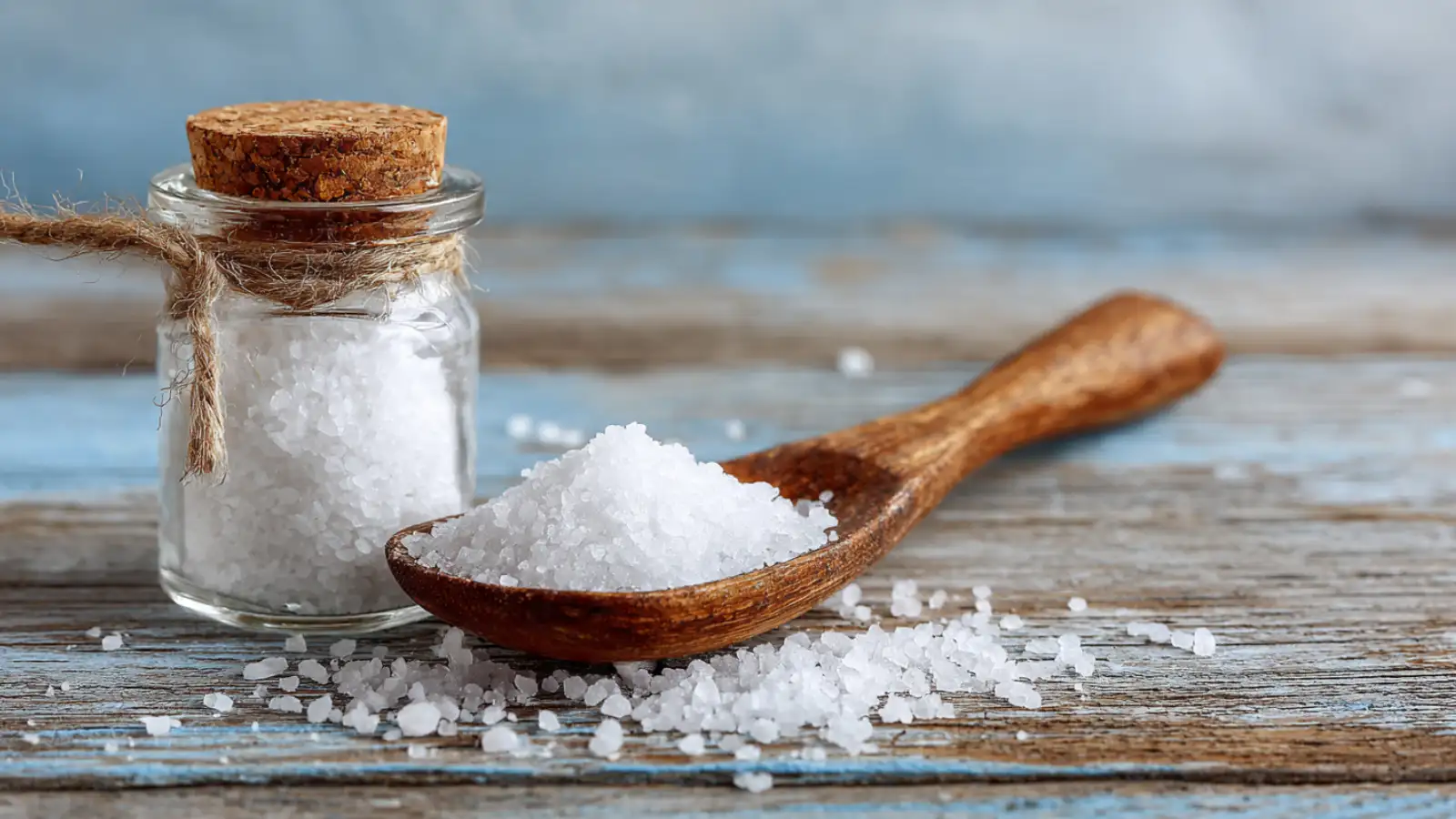
The problem in the modern world isn't salt itself, which is a necessary mineral, but the sheer volume of it hidden in almost everything we eat. We are often consuming far more than our biological systems were ever designed to handle, leading to a silent impact that builds up over years.
This extra fluid increases the total volume of blood moving through your system. Imagine a garden hose. If you turn the water up to the maximum setting, the pressure against the walls of the hose increases significantly. Inside your body, this translates to higher blood pressure . Over time, this constant pressure can wear down the elasticity of your arteries, making them stiff and less efficient.
When the kidneys are constantly pushed to their limit, they can begin to struggle. High blood pressure caused by salt further damages the tiny blood vessels within the kidneys, creating a difficult cycle. Because this process doesn't usually cause immediate pain, many people have no idea that their salt habit is putting a strain on their internal filtration system until much later in life.
It is also worth noting how salt affects our sense of taste. When we over-salt our food, our taste buds become desensitized. We start needing more and more salt just to find a meal satisfying. It is like a wolf that has become accustomed to a certain type of prey; it becomes harder for it to appreciate anything else. By gradually reducing salt, we can actually "retrain" our palates to enjoy the natural, subtle flavors of fresh ingredients.
The problem in the modern world isn't salt itself, which is a necessary mineral, but the sheer volume of it hidden in almost everything we eat. We are often consuming far more than our biological systems were ever designed to handle, leading to a silent impact that builds up over years.
The Water Retention Tug of War
To understand how salt affects us, we have to look at how it interacts with water. Salt acts like a sponge. When you have a high concentration of sodium in your bloodstream, your body pulls water out of your cells and into your blood vessels to try and dilute the salt. This is why you often feel incredibly thirsty after a salty meal.This extra fluid increases the total volume of blood moving through your system. Imagine a garden hose. If you turn the water up to the maximum setting, the pressure against the walls of the hose increases significantly. Inside your body, this translates to higher blood pressure . Over time, this constant pressure can wear down the elasticity of your arteries, making them stiff and less efficient.
The Quiet Strain on the Kidneys
Our kidneys are the master filters of the body, working tirelessly to balance fluids and flush out waste. They are as diligent as a beaver building a dam, ensuring that everything stays in its proper place. When we eat too much salt, the kidneys have to work overtime to filter out the excess sodium through our urine.When the kidneys are constantly pushed to their limit, they can begin to struggle. High blood pressure caused by salt further damages the tiny blood vessels within the kidneys, creating a difficult cycle. Because this process doesn't usually cause immediate pain, many people have no idea that their salt habit is putting a strain on their internal filtration system until much later in life.
Beyond the Heart: Brain and Bone Health
Most people know that salt is linked to heart health, but its impact goes even further. Some studies suggest that high salt intake can affect cognitive function by reducing blood flow to the brain. Additionally, when the body flushes out excess sodium, it often takes calcium along with it. This means that a diet very high in salt could potentially weaken your bones over time.It is also worth noting how salt affects our sense of taste. When we over-salt our food, our taste buds become desensitized. We start needing more and more salt just to find a meal satisfying. It is like a wolf that has become accustomed to a certain type of prey; it becomes harder for it to appreciate anything else. By gradually reducing salt, we can actually "retrain" our palates to enjoy the natural, subtle flavors of fresh ingredients.
Conclusion
Managing salt intake isn't about eating bland or boring food. It is about protecting the delicate balance of our internal environment. By being mindful of the hidden sodium in processed goods and using herbs or citrus to add flavor instead, we can take the pressure off our hearts and kidneys. Your body is a finely tuned machine, and giving it the right balance of minerals will help it run smoothly for a long time to come.





More from our partners


Loving Newspoint? Download the app now
