
The Immune Impact of Social Isolation and Emotional Disconnection

Loneliness is often seen as an emotional state, but its effects reach far beyond mental well-being. In recent years, scientists have discovered that chronic loneliness can have a profound impact on the immune system, weakening the body’s natural defences and increasing susceptibility to disease. The link between social isolation and immunity reveals just how closely our emotional and physical health are intertwined.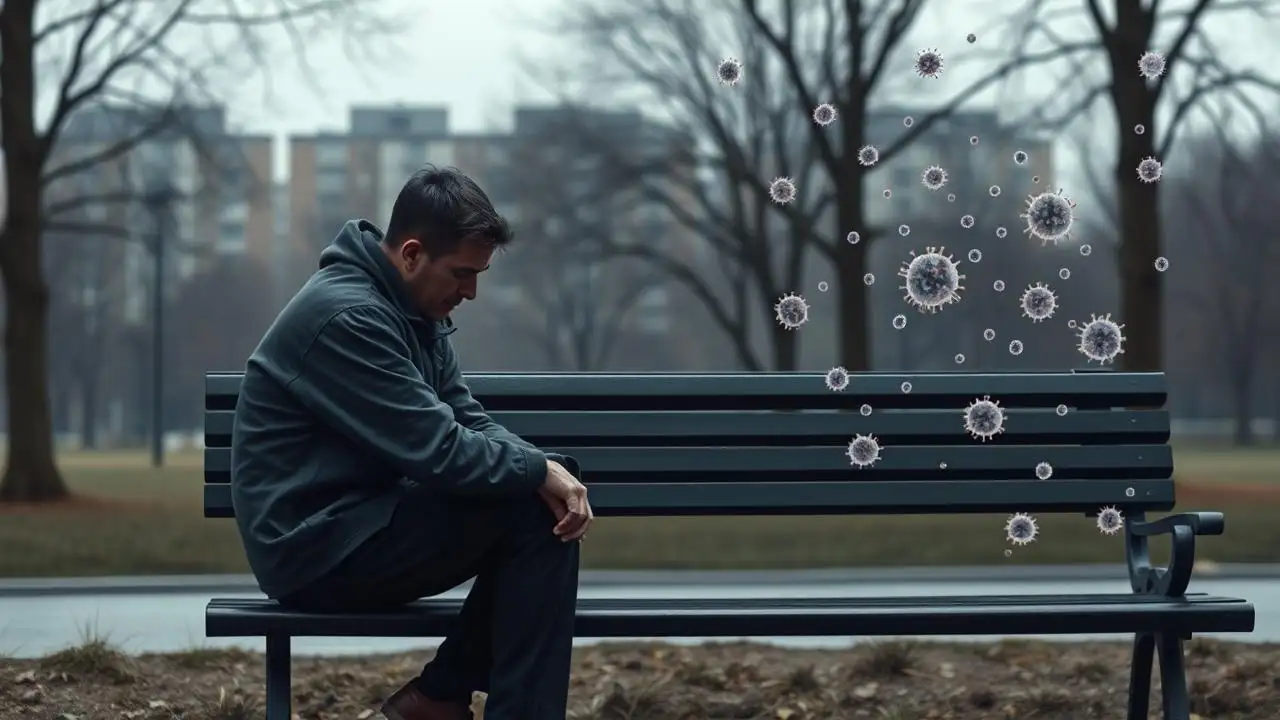
The Biology of Loneliness
When a person experiences loneliness, the body interprets it as a form of stress. This triggers the release of stress hormones such as cortisol and adrenaline, preparing the body for a perceived threat. While short bursts of these hormones are harmless, persistent loneliness keeps the body in a prolonged state of alert. Over time, this chronic stress response can weaken the immune system and reduce the body’s ability to fight infections.How Loneliness Alters Immune Function
One of the most striking findings in recent studies is that loneliness changes how genes associated with immune function behave. Research conducted at the University of California, Los Angeles, found that lonely individuals show higher activity in genes involved in inflammation and lower activity in genes responsible for antiviral defences. This means the body becomes more prone to chronic inflammatory conditions while becoming less effective at combating viruses.Increased Inflammation and Health Risks
Inflammation is a natural immune response to injury or infection, but when it becomes persistent, it can damage healthy cells and tissues. Chronic loneliness has been linked to elevated levels of inflammatory markers such as C-reactive protein (CRP) and interleukin-6 (IL-6). These markers are associated with heart disease, diabetes, and certain cancers. Over time, this low-grade inflammation can silently erode physical health, contributing to the premature ageing of the immune system.Loneliness and Viral Susceptibility
Loneliness not only makes the body more inflamed but also less capable of defending against pathogens. Studies have shown that people who report feeling lonely are more likely to catch common viral infections such as colds and the flu. Their bodies produce fewer antiviral antibodies, and recovery tends to take longer. “Loneliness doesn’t just make you feel unwell emotionally — it can literally change how your body responds to illness,” said one health psychologist involved in the research.Psychological Effects on Immunity
The emotional pain of loneliness mirrors the same brain regions activated during physical pain. This overlap explains why loneliness feels so distressing and why it takes a toll on the body. When the mind perceives social rejection or isolation, it sends signals that alter immune activity. Over time, this psychological stress disrupts the delicate balance between immune activation and regulation, paving the way for autoimmune disorders and slower healing.Social Connections as Medicine
The good news is that social interaction can reverse many of these harmful effects. Building and maintaining meaningful relationships helps lower cortisol levels, improves immune cell activity, and enhances overall resilience. Even small gestures like daily conversations, community participation, or volunteering can strengthen the immune response. For people unable to engage physically, virtual communication or support groups can also offer psychological benefits.The Importance of Addressing Loneliness
Loneliness is not merely a personal issue but a growing public health concern. With urbanisation, digital isolation, and busy lifestyles, more people are reporting feelings of disconnection. Health experts now advocate for social well-being to be treated as seriously as diet or exercise in preventive healthcare. “Human connection is as vital to health as sleep and nutrition,” said a recent report from the World Health Organization.Conclusion
The link between loneliness and immunity underscores a powerful truth: human beings are inherently social. Our immune systems evolved not in isolation but in community. Addressing loneliness is not just about emotional fulfilment; it is about safeguarding the body’s natural defence system. Recognising this mind-body connection may hold the key to improving both mental and physical well-being in the modern age.Next Story