
The K-Pop takeover: Why heritage luxury brands are betting everything on Seoul


From Celine’s 591% profit jump to Versace’s viral millions, the industry’s center of gravity has shifted East—and the old guard is scrambling to keep up.
It starts with the sound.
If you stand outside the Grand Palais in Paris during a major show, you can hear the difference. There is the polite, rippling applause for a Hollywood actress. There is the respectful silence for a Vogue editor. And then, there is the sound—a feral, high-pitched, tectonic roar that sounds less like a fashion event and more like a gladiatorial arena.

That sound usually means a black SUV has just pulled up, and a K-Pop idol is stepping out.
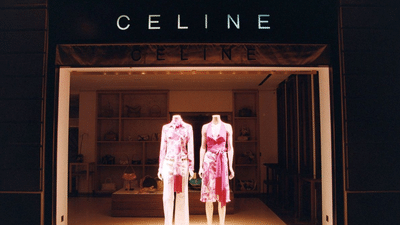
In 2026, the power dynamic in the luxury fashion world didn’t just shift; it sprinted East. We are living in the era of the "K-Pop Effect," where historic French and Italian houses—Celine, Dior, Versace—are increasingly entrusting their bottom lines to boys and girls from Seoul who can sell out a $3,000 bag faster than a traditional supermodel can post a selfie.
The 'Taehyung' Economy
Take the case of Kim Taehyung (BTS’s V) and Celine. When he was appointed global ambassador, it wasn't just about pretty billboards. The impact was violent. Celine Korea reported a staggering 591% increase in operating profits, outpacing nearly every other luxury competitor in the region.
Video
This is the new math of luxury. When an idol wears a jacket, it doesn't just get "likes." It gets mobilized. Fans—the infamous ARMYs, Blinks, and Stays—don’t treat these ambassadorships as marketing; they treat them as a call to duty. Buying the perfume isn't consumerism; it’s support.
From 'Regional Face' to 'Global Muse'
For years, luxury brands treated Asian stars as "regional" ambassadors—faces meant to sell products only in China or Korea. That era is dead.
Now, idols like Hyunjin (Stray Kids) aren't just wearing Versace; they are defining it. Donatella Versace famously dubbed him a "true Versace man," leveraging his romantic,
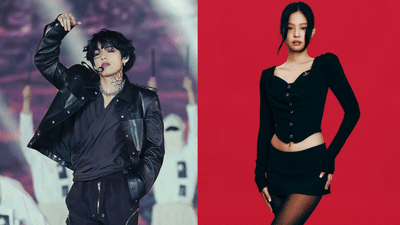
dangerous charisma to generate over $4.6 million in media value from a single holiday campaign.
Then there is Jennie (Blackpink), the shape-shifter. She moves from the tweed-clad discipline of "Human Chanel" to the avant-garde, corset-wearing muse of Jean Paul Gaultier with a fluidity that Western stars rarely manage. She proves that these idols aren't just mannequins; they are creative directors of their own image.
The Godfather Effect
It is impossible to talk about this takeover without nodding to G-Dragon. Long before it was a "strategy," the Big Bang frontman was sitting front row at Chanel, wearing women’s tweed jackets and proving that style has no gender. He walked so the new generation could run. He turned the K-Pop idol from a "musician" into a "cultural aesthetic."
The New Capital of Cool
There is a quiet irony here. For decades, Asia looked to Paris to be told what was cool. Now, Paris looks to Seoul to stay relevant.
When Felix (Stray Kids) walks for Louis Vuitton, or Jimin (BTS) crashes the Dior website just by showing up, the message is clear. The old guard of fashion—the editors, the critics, the gatekeepers—still hold the keys to the venue. But the K-Pop idols hold the attention of the world.
And in 2026, attention is the only currency that matters. The clothes are beautiful, yes. But let's be honest: we're all just watching the livestream to see who gets out of the car.
It starts with the sound.
If you stand outside the Grand Palais in Paris during a major show, you can hear the difference. There is the polite, rippling applause for a Hollywood actress. There is the respectful silence for a Vogue editor. And then, there is the sound—a feral, high-pitched, tectonic roar that sounds less like a fashion event and more like a gladiatorial arena.
That sound usually means a black SUV has just pulled up, and a K-Pop idol is stepping out.
In 2026, the power dynamic in the luxury fashion world didn’t just shift; it sprinted East. We are living in the era of the "K-Pop Effect," where historic French and Italian houses—Celine, Dior, Versace—are increasingly entrusting their bottom lines to boys and girls from Seoul who can sell out a $3,000 bag faster than a traditional supermodel can post a selfie.
The 'Taehyung' Economy
Take the case of Kim Taehyung (BTS’s V) and Celine. When he was appointed global ambassador, it wasn't just about pretty billboards. The impact was violent. Celine Korea reported a staggering 591% increase in operating profits, outpacing nearly every other luxury competitor in the region.
Video
This is the new math of luxury. When an idol wears a jacket, it doesn't just get "likes." It gets mobilized. Fans—the infamous ARMYs, Blinks, and Stays—don’t treat these ambassadorships as marketing; they treat them as a call to duty. Buying the perfume isn't consumerism; it’s support.
From 'Regional Face' to 'Global Muse'
For years, luxury brands treated Asian stars as "regional" ambassadors—faces meant to sell products only in China or Korea. That era is dead.
Now, idols like Hyunjin (Stray Kids) aren't just wearing Versace; they are defining it. Donatella Versace famously dubbed him a "true Versace man," leveraging his romantic,
dangerous charisma to generate over $4.6 million in media value from a single holiday campaign.
Then there is Jennie (Blackpink), the shape-shifter. She moves from the tweed-clad discipline of "Human Chanel" to the avant-garde, corset-wearing muse of Jean Paul Gaultier with a fluidity that Western stars rarely manage. She proves that these idols aren't just mannequins; they are creative directors of their own image.
The Godfather Effect
It is impossible to talk about this takeover without nodding to G-Dragon. Long before it was a "strategy," the Big Bang frontman was sitting front row at Chanel, wearing women’s tweed jackets and proving that style has no gender. He walked so the new generation could run. He turned the K-Pop idol from a "musician" into a "cultural aesthetic."
The New Capital of Cool
There is a quiet irony here. For decades, Asia looked to Paris to be told what was cool. Now, Paris looks to Seoul to stay relevant.
When Felix (Stray Kids) walks for Louis Vuitton, or Jimin (BTS) crashes the Dior website just by showing up, the message is clear. The old guard of fashion—the editors, the critics, the gatekeepers—still hold the keys to the venue. But the K-Pop idols hold the attention of the world.
And in 2026, attention is the only currency that matters. The clothes are beautiful, yes. But let's be honest: we're all just watching the livestream to see who gets out of the car.
Next Story