
The Mighty Legume: How Regular Peanut Consumption Can Significantly Improve Your Daily Well-Being

For many, the humble peanut is often relegated to the status of a casual snack at social gatherings or a quick spread on a morning piece of toast. However, beneath that unassuming shell lies a nutritional profile that rivals some of the world's most expensive 'superfoods.' Peanuts are technically legumes, but they share the nutrient-dense characteristics of tree nuts, offering a potent blend of healthy fats, proteins, and antioxidants. In an era where complex supplements often dominate the health conversation, returning to these simple, earth-grown delights can provide a surprisingly effective boost to your physical and mental health. Understanding how regular peanut consumption can improve your well-being is the first step toward a more vibrant life.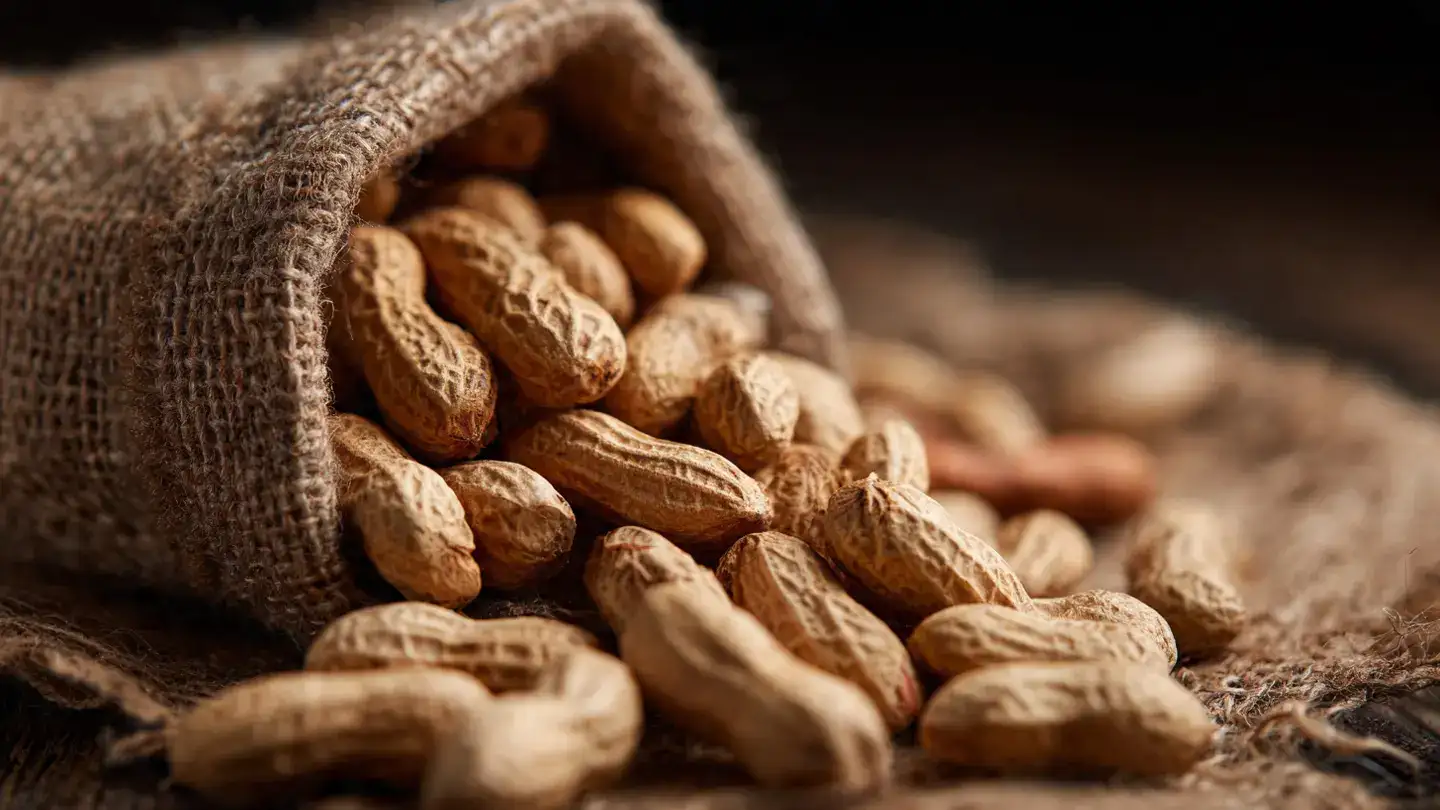
Image Courtesy: Meta AI
A Boost for Cardiovascular Longevity
When we discuss the link between peanuts and heart health , the evidence is overwhelmingly positive. Peanuts are rich in monounsaturated and polyunsaturated fats—the 'good' fats that help lower LDL (bad) cholesterol levels in the blood. High cholesterol is a primary risk factor for heart disease, and by substituting saturated fats with the healthy lipids found in peanuts, you can improve your arterial health. Furthermore, peanuts contain resveratrol, the same antioxidant found in red wine, which helps protect the lining of blood vessels and prevents inflammation. Regularly snacking on a handful of peanuts can significantly contribute to a stronger, more resilient cardiovascular system.The Power of Plant-Based Protein
In a world increasingly leaning toward meat-free alternatives, finding high-quality plant-based protein sources is essential for maintaining muscle mass and metabolic function. Peanuts contain more protein than any other nut, boasting approximately 7 grams per 28-gram serving. This makes them an invaluable asset for vegetarians, vegans, and athletes alike. Protein is vital for tissue repair, immune function, and the production of enzymes. Because the protein in peanuts is paired with a healthy dose of fibre, it ensures a slow, steady release of energy rather than the 'spike and crash' associated with sugary snacks, keeping you fueled throughout the day.Weight Management and Satiety
It might seem counterintuitive to eat fat-dense nuts to manage weight, but peanuts are actually excellent for appetite control. Because they are nutrient-dense snacks , they trigger a high level of satiety, or the feeling of fullness. The combination of fibre, protein, and healthy fats takes longer for the body to digest, which means you are less likely to reach for unhealthy, processed foods between meals. Studies have shown that people who include peanuts in their diet regularly are often more successful at maintaining a healthy weight over time. The key is moderation; a small palmful is enough to curb hunger and provide a metabolic kickstart.Brain Health and Mental Clarity
The health benefits of peanuts extend to the mind as much as the body. Peanuts are an excellent source of niacin (Vitamin B3) and Vitamin E, both of which have been linked to a lower risk of cognitive decline and Alzheimer’s disease. Niacin helps in the recovery of brain cell damage, while Vitamin E acts as a powerful antioxidant that protects nervous membranes from oxidative stress. Additionally, the presence of bioactive compounds like p-coumaric acid can help reduce anxiety and improve mood by regulating certain neurotransmitters. Eating peanuts regularly might just be the simplest 'brain food' strategy you can implement to keep your mind sharp as you age.Regulating Blood Sugar Levels
For those concerned about metabolic health or Type 2 diabetes, peanuts offer a low-glycemic index (GI) solution to snacking. The low GI score means that peanuts do not cause a rapid rise in blood sugar levels after consumption. The magnesium found in peanuts also plays a crucial role in how the body processes glucose and uses insulin. By stabilising blood sugar, regular consumption helps prevent the fatigue and irritability often caused by glucose fluctuations. This stability is vital for long-term well-being, reducing the stress on the pancreas and helping to maintain a steady mood and energy level.An Affordable Path to Better Health
One of the most practical reasons to embrace peanuts is their accessibility. Unlike many exotic nuts or specialised health supplements, peanuts remain one of the most affordable ways to improve your daily nutritional intake. Whether you enjoy them raw, roasted, or as a natural butter, they are easy to integrate into salads, stir-fries, or morning porridges. By choosing unsalted and unprocessed varieties, you ensure that you are getting the maximum benefit without the hidden sodium or hydrogenated oils. Investing in a bag of peanuts is a small financial choice that pays massive dividends in the form of sustained health and vitality.Image Courtesy: Meta AI
Next Story